halo the flood pdf

Halo: The Flood ⎼ A Comprehensive Guide (PDF Focus)

This guide delves into the terrifying Flood‚ focusing on accessing and utilizing related PDF resources for lore‚ campaign tracking‚ and gameplay strategies․

Explore mission progress syncing issues via Halo Waypoint‚ alongside potential Flood returns and precursor connections‚ all within a digital format․

The Flood represents a parasitic lifeform of immense threat within the Halo universe‚ first prominently featured in Halo: Combat Evolved and expanded upon in the novel Halo: The Flood․ This guide centers on understanding this terrifying enemy‚ specifically through the lens of available digital resources‚ including PDF documents detailing lore‚ gameplay strategies‚ and campaign progression․

The Flood’s impact on the Halo canon is substantial‚ establishing a cosmic horror element and driving key plot points․ Accessing information about the Flood often involves navigating digital formats‚ making PDF guides and resources invaluable for dedicated fans․ Understanding the intricacies of the Flood – its origins‚ life cycle‚ and combat forms – enhances the overall Halo experience․

This introduction will set the stage for a comprehensive exploration of the Flood‚ focusing on how PDF resources can aid in mastering its complexities and appreciating its significance within the broader Halo narrative․ We will explore how to utilize these resources effectively․

The Significance of “Halo: The Flood” in the Canon

“Halo: The Flood” fundamentally reshaped the Halo universe‚ introducing a cosmic-scale threat that transcended simple warfare․ The Flood isn’t merely an enemy; it’s an existential danger‚ forcing the heroes to confront not just a military challenge‚ but a horrifying biological and spiritual corruption․ PDF resources detailing the Flood’s lore are crucial for grasping this weight․

The narrative established the Precursors and their role in creating the Flood‚ adding layers of complexity to the Halo mythology․ This backstory‚ often detailed in supplemental materials available as PDFs‚ explains the Flood’s ancient origins and its connection to the Halo installations․ Understanding this history is vital for appreciating the stakes․

The Flood’s presence justifies the drastic measures taken by the Forerunners‚ and its potential return continues to loom over the franchise․ PDF guides help players understand the Flood’s impact on the overall storyline and its enduring legacy within the Halo canon․

Understanding the PDF Format & Availability

PDFs offer a convenient‚ offline-accessible format for deep dives into Halo: The Flood lore․ These documents often compile information from various sources – game manuals‚ strategy guides‚ and novel excerpts – into a single‚ searchable resource․ Finding reliable PDFs requires careful sourcing‚ as unofficial versions may contain inaccuracies․

Official PDFs are sometimes released by 343 Industries or associated publishers‚ often as promotional material or supplementary content․ Fan-created PDFs‚ while abundant‚ should be approached with scrutiny‚ cross-referencing information with official Halo Waypoint data․

Availability varies; some PDFs are freely downloadable‚ while others may require purchase․ Websites dedicated to Halo lore often curate lists of available resources․ Utilizing PDFs enhances understanding of mission progress tracking and Flood-related data․

The Flood – Origins and Biology

Uncover the parasitic Flood’s terrifying history‚ from ancient precursors to its horrifying life cycle and diverse combat forms‚ detailed in accessible PDFs․

The Flood’s Ancient History & Precursors

The Flood’s origins are deeply intertwined with the Forerunners and their enigmatic creators‚ the Precursors․ PDF documents detailing the Halo lore reveal the Precursors‚ facing their own extinction‚ attempted to seed life throughout the galaxy‚ but their methods were… unconventional․

These attempts resulted in the Flood‚ a parasitic lifeform initially designed to consume and adapt‚ ultimately deemed a threat to all sentient life․ Forerunner records‚ often found in compiled PDF format‚ chronicle their desperate war against the Flood‚ a conflict that nearly led to their downfall․

The PDFs highlight the Forerunners’ containment protocols‚ including the creation of the Halo Array‚ a last-resort measure to eradicate the Flood by starving it of hosts․ Understanding this ancient history‚ readily available in digital archives‚ is crucial to comprehending the Flood’s enduring threat and potential for resurgence․

Flood Life Cycle: From Spores to Combat Forms

Detailed PDF schematics illustrate the Flood’s horrifyingly efficient life cycle․ It begins with microscopic spores‚ capable of interstellar travel and remaining dormant for eons‚ awaiting a suitable host․ Upon contact with living tissue‚ these spores initiate rapid infection and biomass conversion․

The initial stage produces Infection Forms‚ grotesque‚ tendril-like creatures that quickly overwhelm and assimilate their victims․ These infected hosts then transform into various Combat Forms‚ ranging from Flood Fighters to towering‚ heavily armored Brutes․ PDFs showcase the morphological changes at each stage․

Further analysis within these documents reveals the Flood’s ability to create specialized forms‚ like Burrowers and Carriers‚ optimizing their spread and combat effectiveness․ Understanding this progression‚ visually represented in the PDFs‚ is vital for strategic counter-measures․

Combat Forms: A Detailed Breakdown

Comprehensive PDFs provide exhaustive analyses of each Flood Combat Form․ Flood Fighters‚ the most common‚ exhibit surprising agility and utilize infected weaponry․ Larger forms‚ like the Flood Brute‚ retain aspects of their original host’s strength and aggression‚ becoming formidable opponents․

Detailed schematics within these documents illustrate the bio-mechanical structure of each form‚ highlighting weak points and vulnerabilities․ The PDFs also categorize forms based on threat level and tactical deployment‚ aiding in strategic planning․

Specialized forms‚ such as the Carrier‚ demonstrate the Flood’s adaptive capabilities‚ utilizing ranged attacks and spore dissemination․ Understanding these distinctions‚ as outlined in the PDFs‚ is crucial for effective weapon selection and battlefield awareness․

Infection Forms & Their Mechanics

PDF resources meticulously detail the insidious nature of Flood Infection Forms․ These small‚ mobile spores are the primary vector for Flood propagation‚ latching onto living organisms and initiating rapid conversion․ Diagrams illustrate the infection process‚ from initial attachment to complete biomass assimilation․

The documents emphasize the speed of infection‚ highlighting the critical need for immediate containment and sterilization․ PDFs also outline the mechanics of “takeover‚” where the Flood assumes control of the host’s nervous system‚ repurposing it for combat․

Understanding the range and spread patterns of Infection Forms‚ as presented in these guides‚ is vital for preventing widespread outbreaks․ They also cover preventative measures and decontamination protocols‚ crucial for survival against this relentless enemy․

Pure Forms & Their Role in Flood Propagation

PDF analyses reveal Pure Forms as the core intelligence and reproductive engine of the Flood․ These amorphous‚ sentient masses exist outside conventional biological constraints‚ capable of coordinating Flood activity across vast distances․ Detailed schematics within the documents illustrate their complex internal structure and adaptive capabilities․

The guides emphasize the Pure Form’s ability to reconstruct and re-purpose biomass‚ creating new Flood combat forms and expanding the infection․ They detail how Pure Forms utilize gravity wells to draw in organic matter‚ accelerating their growth and propagation․

Understanding the Pure Form’s vulnerabilities‚ as outlined in these resources‚ is paramount to defeating the Flood․ PDFs highlight strategies for disrupting their gravitational control and targeting their central nervous system․

Gameplay Mechanics Related to The Flood

PDFs detail Flood infestation dynamics‚ weapon effectiveness charts‚ and strategic combat approaches‚ alongside AI utilization and environmental hazard exploitation for control․

Flood Infestation & Dynamic Difficulty

PDF documents analyzing Halo: The Flood showcase how the parasitic organism dynamically alters mission difficulty․ The Flood’s spread isn’t merely scripted; it reacts to player actions‚ creating escalating threats․ These resources detail how infestation levels influence enemy composition‚ altering encounters from manageable skirmishes to overwhelming swarms․

Detailed charts within these PDFs illustrate the correlation between Flood biomass and increased combat form deployment․ Furthermore‚ they explain how the game adjusts enemy placement and frequency based on player performance‚ ensuring a consistently challenging experience․ Offline play‚ as noted in community discussions‚ can disrupt Waypoint syncing‚ impacting accurate mission completion tracking․

Understanding these mechanics is crucial for Legendary playthroughs‚ where the Flood’s adaptive nature demands strategic resource management and precise execution․ The PDFs offer insights into exploiting the Flood’s weaknesses and mitigating its relentless advance‚ providing a competitive edge․

Weapon Effectiveness Against Flood Types

Comprehensive Halo: The Flood PDFs meticulously detail weapon efficacy against the diverse Flood forms․ Incendiary weapons‚ like the Flamethrower and Plasma Grenades‚ prove exceptionally effective against most Flood variants‚ disrupting their biomass and preventing rapid regeneration․ Ballistic weapons‚ while useful‚ often require sustained fire to eliminate tougher combat forms․

These resources highlight the vulnerability of Infection Forms to focused energy attacks‚ emphasizing the importance of prioritizing their elimination to prevent widespread infestation․ The PDFs also showcase the limited effectiveness of melee attacks against armored Flood types‚ advocating for ranged combat strategies․

Analyzing data from player experiences (documented within these guides)‚ reveals that the Sniper Rifle excels at eliminating Pure Forms from a distance‚ hindering their propagation efforts․ Understanding these nuances is vital for optimizing loadouts and maximizing survivability during intense Flood encounters․

Strategic Considerations for Flood Encounters

Detailed Halo: The Flood PDFs emphasize proactive strategies for Flood engagements․ Prioritize containment – preventing initial spore dispersal is crucial‚ limiting the Flood’s exponential growth․ Utilize chokepoints and defensive positions to funnel enemies‚ maximizing weapon effectiveness and minimizing exposure․

These guides advocate for aggressive elimination of Infection Forms‚ recognizing their role in rapid infestation․ Coordinated fire with teammates (or effective AI utilization) is paramount‚ focusing fire on high-threat targets like Combat Forms and Pure Forms․

PDF analyses of successful campaigns reveal a common tactic: utilizing explosive weaponry to clear heavily infested areas‚ followed by methodical cleanup of remaining spores and smaller forms․ Awareness of environmental hazards‚ and exploiting them against the Flood‚ is also key to survival․

Utilizing Friendly AI Against The Flood

Halo: The Flood PDF guides consistently highlight the importance of leveraging friendly AI during Flood encounters․ While not flawless‚ Marines and other allied units provide valuable suppressing fire and distraction‚ diverting the Flood’s attention from the player․

Effective tactics involve positioning AI strategically – behind cover‚ flanking routes‚ or as a rearguard during retreats․ Issuing clear‚ concise commands (when possible) maximizes their effectiveness‚ directing them to focus fire on specific Flood types․

PDF analyses demonstrate that AI is particularly useful in containing smaller Flood forms and alerting the player to incoming threats․ However‚ reliance solely on AI is discouraged; players must actively engage and prioritize high-value targets to ensure survival against the overwhelming Flood onslaught․

Environmental Hazards & Flood Control

Halo: The Flood PDF resources emphasize exploiting environmental hazards to combat the parasitic threat․ Utilizing explosive barrels‚ collapsing structures‚ and even strategically opening or closing doors can significantly hinder Flood advancement and create tactical advantages․

PDF guides detail how to lure Flood forms into these hazards‚ maximizing their destructive potential․ Cryo tubes‚ while primarily for freezing enemies‚ can also be used to temporarily contain smaller Flood outbreaks‚ buying valuable time for evacuation or counterattack․

Understanding map layouts‚ as often illustrated in PDF walkthroughs‚ is crucial for identifying and utilizing these environmental control points․ Effective Flood control isn’t solely about firepower; it’s about manipulating the environment to your advantage‚ turning the ship itself into a weapon․

“Halo: The Flood” Novel – Expanding the Lore

PDF versions of the novel offer deeper insights into the Flood’s origins‚ Captain Keyes’s fate‚ and narrative differences compared to the game’s depiction․

Differences Between the Game and Novel Depiction

The “Halo: The Flood” novel‚ available in PDF format‚ significantly expands upon the game’s narrative‚ presenting a more detailed and often darker portrayal of the Flood’s impact․ While the game focuses on immediate combat and survival‚ the novel delves into the psychological horror experienced by the crew of the Pillar of Autumn․

Key differences include a greater emphasis on the individual stories of crew members‚ particularly Captain Keyes‚ whose experiences are far more extensively explored in the book․ The novel also provides a more thorough examination of the Flood’s intelligence and manipulative capabilities‚ showcasing their ability to exploit human fears and vulnerabilities․

Furthermore‚ the PDF novel offers a richer understanding of the Precursors and their connection to the Flood‚ hinting at a more complex history than what is presented in the game․ The game’s streamlined narrative necessitates certain omissions‚ while the novel benefits from the freedom to explore these nuances in greater depth‚ offering a more comprehensive and chilling account of the Flood’s threat․

Key Characters & Story Arcs in the Novel

The “Halo: The Flood” novel (PDF version) intricately develops several key characters beyond Master Chief’s perspective‚ offering compelling story arcs․ Captain Jacob Keyes takes center stage‚ his capture and subsequent transformation into a Flood form being a central‚ harrowing narrative․ His internal struggle and the Flood’s manipulation are profoundly explored․

Miranda Keyes‚ his daughter‚ experiences a parallel arc of discovery and grief‚ grappling with her father’s fate while striving to fulfill her duties․ The novel also expands on the roles of Sergeant Johnson and Cortana‚ providing deeper insights into their personalities and motivations․

A significant story arc revolves around the crew’s desperate attempts to understand and contain the Flood outbreak‚ highlighting the escalating sense of dread and the breakdown of order․ The PDF format allows for detailed character interactions and internal monologues‚ enriching the emotional impact of their individual journeys within the unfolding catastrophe․

The Role of Captain Keyes in the Flood Narrative

Within the “Halo: The Flood” novel (accessible in PDF format)‚ Captain Jacob Keyes’s role transcends that of a tactical commander; he becomes a pivotal‚ tragic figure in understanding the Flood’s insidious nature․ His capture by the Flood isn’t merely a plot device‚ but a detailed exploration of parasitic assimilation and the loss of identity․

The PDF allows for a deeper dive into Keyes’s internal struggle as the Flood attempts to utilize his knowledge of the Pillar of Autumn and its systems․ His memories and strategic insights are weaponized against humanity‚ showcasing the Flood’s intelligence․

Keyes’s transformation serves as a chilling demonstration of the Flood’s ability to exploit even the most resolute minds․ The novel‚ through its PDF presentation‚ emphasizes the horror and desperation surrounding his fate‚ solidifying his importance to the overarching narrative․

Halo Waypoint & Mission Progress Tracking (PDF Implications)

PDF guides often detail syncing campaign data with Halo Waypoint‚ troubleshooting completion issues‚ and leveraging the platform for Flood lore insights․

Syncing Campaign Progress & Legendary Completion

Achieving 100% legendary completion requires diligent tracking‚ and Halo Waypoint serves as the central hub for this purpose․ However‚ discrepancies can occur‚ particularly when playing offline‚ as noted by players experiencing incomplete mission logs․ PDF guides often provide step-by-step instructions on ensuring proper synchronization between the game and Waypoint․

These resources detail methods for forcing a sync‚ verifying mission states‚ and troubleshooting common errors․ Offline progress may not automatically upload‚ necessitating a manual check upon reconnecting to Xbox Live․ Players should confirm their Gamertag is correctly linked within Waypoint settings․ Furthermore‚ some PDF resources offer workarounds for persistent syncing issues‚ including clearing cache or reinstalling the Halo application․ Consistent online play is recommended to minimize synchronization problems and accurately reflect legendary completion status․

Troubleshooting Mission Completion Issues

Encountering problems with mission completion tracking is common‚ especially on Legendary difficulty․ PDF guides dedicated to “Halo: The Flood” often compile known issues and their solutions․ Players report missions failing to register as complete despite successful playthroughs‚ particularly after offline sessions․ A primary troubleshooting step involves verifying a stable internet connection during gameplay and synchronization attempts․

PDF resources suggest checking Halo Waypoint’s support section for specific error codes and official fixes․ Clearing the Xbox cache and restarting the console are frequently recommended solutions․ Ensure the game is fully updated to the latest version‚ as updates often address tracking bugs․ If issues persist‚ contacting 343 Industries support through Halo Waypoint is advised‚ providing detailed information about the affected mission and platform․

Utilizing Halo Waypoint for Flood Lore & Data

Halo Waypoint serves as a central hub for expanding your understanding of The Flood‚ complementing information found in PDF guides․ The platform offers detailed dossiers on Flood combat forms‚ infection mechanics‚ and their overall role within the Halo universe’s canon․ Accessing mission logs and campaign data provides insights into Flood infestation patterns and strategic deployment across levels․

Waypoint’s community features allow discussion and sharing of Flood-related theories and discoveries; PDFs often reference Waypoint as a source for verifying lore details and tracking campaign progress․ Utilize the platform’s multimedia section for concept art and developer commentary concerning The Flood’s design and implementation․ Regularly check Waypoint for updates and new content related to this parasitic threat․

Future of The Flood in the Halo Universe

PDF resources speculate on The Flood’s potential return‚ fueled by precursor connections and lingering lore threads within the expanding Halo narrative․

Potential for The Flood’s Return in Future Titles

Despite their diminished role post-Halo 2‚ the possibility of The Flood resurfacing remains a compelling narrative avenue for future Halo installments․ PDF analyses of lore suggest lingering fragments and precursor technology could facilitate their re-emergence․

The franchise has subtly hinted at continued Flood presence‚ not as a galaxy-threatening force‚ but as a contained‚ potentially weaponized threat․ Digital archives and PDF compendiums detail the strategic implications of such a scenario․

343 Industries’ commitment to community feedback‚ as evidenced by ongoing Halo Waypoint engagement‚ suggests a willingness to explore fan desires – including a nuanced return of The Flood․ PDF discussions highlight the narrative potential of exploring the Flood’s evolution and adaptation‚ offering a fresh take on this iconic enemy․ A return isn’t about repetition‚ but reimagining their terror․

The Precursors & Their Connection to The Flood

The enigmatic Precursors are intrinsically linked to the Flood’s origins‚ a connection extensively detailed in PDF lore compilations and expanded upon in supplemental materials․ Analysis of digital archives reveals the Precursors’ attempt to “cure” mortality led to the creation of the Flood as a corrective measure․

PDF documents outline how the Precursors‚ facing extinction‚ seeded the galaxy with the Flood‚ intending it to inherit and reshape life․ This act represents a catastrophic failure‚ transforming a potential salvation into a parasitic scourge․ Halo Waypoint’s lore section‚ accessible through PDF summaries‚ further clarifies this complex relationship․

Understanding the Precursors’ motives is crucial to comprehending the Flood’s purpose and potential vulnerabilities․ Digital resources suggest the Flood retains remnants of the Precursors’ original intent‚ offering a possible pathway to containment or even eradication․ Their connection is a foundational element of the Halo universe․

Posted in PDF

nikon coolpix p900 owners manual

Nikon Coolpix P900 Owners Manual: A Comprehensive Guide

Discover the full potential of your Nikon COOLPIX P900! This guide provides detailed instructions‚ from initial setup to advanced features‚ referencing the official PDF manual.

Explore connectivity options‚ troubleshooting tips‚ and specifications‚ ensuring optimal performance and creative control with your digital camera.

Welcome to the world of the Nikon COOLPIX P900‚ a powerful and versatile digital camera designed for photography enthusiasts. This camera boasts an impressive 83x optical zoom and a range of features to capture stunning images.

This guide serves as a comprehensive resource‚ helping you understand and utilize every aspect of your COOLPIX P900. From its initial setup to mastering advanced techniques‚ we’ll cover everything. You can also access the official PDF manual for detailed specifications and regulatory information.

Thank you for choosing Nikon!

Unboxing and Initial Setup

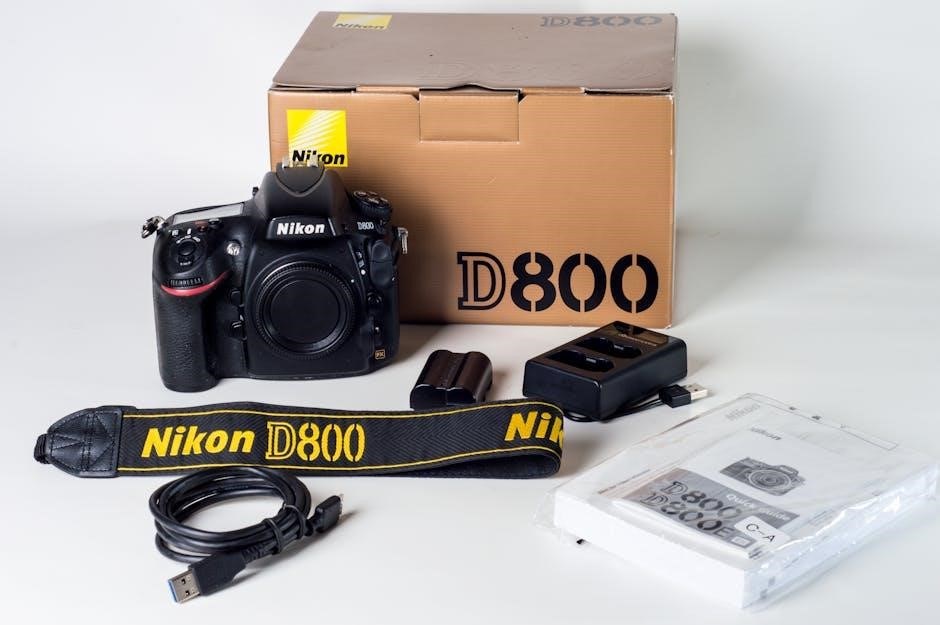
Carefully unpack your Nikon COOLPIX P900‚ ensuring all components are present: the camera body‚ battery‚ battery charger‚ USB cable‚ and this owner’s manual. Begin by charging the battery using the provided charger – a full charge is recommended before first use.

Insert the battery into the designated compartment. Next‚ insert a compatible memory card. Power on the camera and follow the on-screen prompts to set the language‚ date‚ and time. Refer to the PDF manual for detailed illustrations and troubleshooting if needed.

Camera Overview: Buttons and Controls

Familiarize yourself with the Nikon COOLPIX P900’s layout. The mode dial selects shooting modes‚ while the control dial adjusts settings like zoom and aperture. Buttons provide access to menus‚ playback‚ and quick settings.

The rear LCD screen displays images and menu options. Understanding the function of each button and dial is crucial for efficient operation. Consult the detailed diagrams in the official PDF manual for precise locations and descriptions of all controls‚ enhancing your photographic experience.

Understanding the Mode Dial

The Mode Dial on your Nikon COOLPIX P900 offers versatile shooting options. Auto mode simplifies picture-taking‚ while Scene modes optimize settings for specific situations. Program Auto allows some control‚ and Aperture Priority and Manual modes offer full creative flexibility.

Explore the Movie mode for video recording and the Special Effects mode for artistic filters. Refer to the PDF manual for detailed explanations of each mode’s function and how to best utilize them for stunning results.

Navigating the Menu System

The COOLPIX P900’s menu system is accessed via the MENU button. It’s organized into categories: Shooting‚ Display‚ Setup‚ and others. Use the directional pad to navigate and the OK button to select options.

Customize settings like image quality‚ ISO‚ white balance‚ and autofocus. The PDF manual details each menu item. Explore options for wireless connectivity and reviewing images. Familiarize yourself with the menu structure for efficient camera control and personalized shooting experiences.

Basic Operations: Taking Your First Photos

Begin by powering on the COOLPIX P900. Select a shooting mode using the mode dial – Auto is ideal for beginners. Compose your shot using the LCD screen. Half-press the shutter button to focus‚ and fully press to capture the image.

Review your photos using the playback button. The Nikon manual details basic operations. Experiment with zoom and different shooting modes. Ensure a charged battery for optimal performance. Enjoy exploring the camera’s capabilities!

Focusing Modes Explained

The COOLPIX P900 offers several focusing modes. Auto-area AF automatically selects focus points. Center-area AF focuses on the center of the frame. Manual Focus allows precise control. Subject-tracking AF maintains focus on a moving subject.

Refer to the Nikon manual for detailed explanations and customization options. Understanding these modes is crucial for sharp‚ well-focused images. Experiment to determine the best mode for various shooting scenarios. Proper focus enhances image quality significantly.

Understanding Exposure Settings

Exposure is controlled by aperture‚ shutter speed‚ and ISO. Aperture affects depth of field. Shutter speed controls motion blur. ISO determines sensitivity to light. The COOLPIX P900 offers both automatic and manual exposure control.

Mastering these settings allows creative control over your images. Consult the Nikon manual for detailed explanations and practical examples. Experiment with different combinations to achieve desired effects. Proper exposure is vital for well-lit‚ balanced photographs.

Advanced Photography Features

Unlock the COOLPIX P900’s full potential with its advanced features. Explore the incredible 83x optical zoom for detailed close-ups. Dive into manual mode for complete creative control over aperture‚ shutter speed‚ and ISO.

Utilize scene modes for optimized settings in various conditions. Experiment with creative modes and filters for unique artistic effects. Refer to the Nikon manual for in-depth guidance on maximizing these powerful capabilities and achieving professional-quality results.

Utilizing the 83x Optical Zoom

Master the COOLPIX P900’s remarkable 83x optical zoom for stunning detail at incredible distances. Learn techniques to minimize camera shake during extreme zoom levels‚ ensuring sharp‚ clear images. Explore the zoom controls and understand how they impact image composition.

The official Nikon manual provides guidance on optimal zoom usage‚ including tips for steadying the camera and achieving the best possible results. Discover how to leverage this powerful feature for wildlife‚ sports‚ and landscape photography.

Mastering Manual Mode for Creative Control

Unlock your photographic vision with the COOLPIX P900’s Manual mode. This section details how to independently control aperture‚ shutter speed‚ and ISO for complete creative command. Learn to balance these settings to achieve desired exposure and artistic effects.

The Nikon manual explains each setting’s impact on image quality‚ depth of field‚ and motion blur. Explore techniques for capturing stunning low-light photos and achieving professional-looking results. Gain full control over your images!

Shooting Modes: Choosing the Right Setting

The Nikon COOLPIX P900 offers a versatile array of shooting modes to suit any scene. This section explores each option‚ from Auto for effortless shooting to Scene modes optimized for landscapes‚ portraits‚ and sports.

Discover Creative Modes‚ including filters and effects‚ to add artistic flair to your images. The manual details how to select the ideal mode for optimal results‚ ensuring you capture the perfect shot every time. Experiment and unleash your creativity!

Scene Modes: Presets for Common Situations

Utilize the Nikon COOLPIX P900’s Scene Modes for instantly optimized settings. These presets cater to frequently encountered shooting scenarios‚ simplifying image capture. Explore modes like Landscape‚ Portrait‚ Sports‚ Night Portrait‚ and Backlit HDR.

The manual explains each mode’s specific adjustments‚ ensuring ideal results without manual tweaking. Benefit from pre-configured settings for vivid colors‚ sharp focus‚ and reduced noise‚ enhancing your photography in diverse environments.

Creative Modes: Filters and Effects

Unleash your artistic vision with the Nikon COOLPIX P900’s Creative Modes! These offer a range of filters and effects to transform your images. Experiment with options like Pop‚ Soft‚ Sepia‚ High Contrast‚ and Miniature.

The official manual details each effect’s characteristics‚ allowing for precise creative control. Apply these filters during shooting for instant results‚ or post-process images for further refinement. Explore unique visual styles and personalize your photography effortlessly.

Understanding the Camera’s Menu Options

Navigate the Nikon COOLPIX P900’s extensive menu system to customize your shooting experience. The menu‚ detailed in the official PDF manual‚ is logically organized into categories like shooting‚ display‚ and setup.

Explore options for image quality‚ autofocus settings‚ and various camera functions. Adjust settings for optimal performance based on your shooting style and environment. Mastering the menu unlocks the camera’s full potential‚ allowing for personalized control and creative flexibility.

Customizing Settings for Optimal Performance

Personalize your Nikon COOLPIX P900 for peak performance by tailoring settings to your needs. Within the menu‚ adjust autofocus modes‚ image stabilization‚ and metering options. Explore custom picture control settings to achieve desired color and contrast.

Fine-tune display brightness and information overlays for comfortable viewing. Refer to the PDF manual for detailed explanations of each setting‚ maximizing image quality and streamlining your workflow for consistently stunning results.

Image Quality and Size Settings

Optimize your Nikon COOLPIX P900 images by selecting appropriate quality and size settings. Choose from various JPEG compression levels‚ balancing file size with detail retention. Explore RAW (NEF) format for maximum editing flexibility.

Adjust image size to suit your intended use – larger sizes for prints‚ smaller for web sharing. Consult the PDF manual for guidance on resolution and compression‚ ensuring sharp‚ vibrant photos tailored to your specific needs and preferences;

Working with Playback and Reviewing Images

Effortlessly review your captured moments on the Nikon COOLPIX P900’s LCD screen. Utilize playback controls to zoom‚ rotate‚ and delete unwanted images. Protect valuable photos from accidental deletion using the lock function.

Explore detailed shooting information displayed during playback; Connect to an external display via USB for larger-screen viewing. Refer to the comprehensive PDF manual for advanced playback features and image management techniques‚ enhancing your post-capture workflow.

Deleting and Protecting Images

Easily manage your photos with the Nikon COOLPIX P900’s deletion features. Select individual images or batches for removal‚ ensuring ample storage space. Protect cherished memories from accidental deletion by utilizing the image protect function.

Access this feature through the playback menu‚ safeguarding important shots. Consult the detailed PDF manual for specific instructions and options. This ensures your favorite images remain secure‚ offering peace of mind while organizing your photographic collection.

Viewing Images on an External Display

Share your Nikon COOLPIX P900 photos on larger screens! Connect your camera to a compatible TV or monitor using an HDMI cable for stunning playback. This allows for comfortable viewing of images and videos with family and friends.

Refer to the comprehensive PDF manual for detailed connection instructions and supported display resolutions. Enjoy showcasing your photographic creations in vibrant detail on an external display‚ enhancing the viewing experience.

Connectivity: Transferring Photos and Videos

Seamlessly transfer your treasured memories from the Nikon COOLPIX P900! Connect directly to your computer via a USB cable for quick and reliable file transfer. Alternatively‚ leverage the convenience of wireless connectivity using built-in Wi-Fi and Bluetooth capabilities.

Explore the Nikon Manual Viewer app for mobile devices to simplify wireless transfer and remote camera control. The official PDF manual details each method‚ ensuring effortless sharing of your photos and videos.

Connecting to a Computer via USB

Establish a direct connection between your Nikon COOLPIX P900 and your computer using a USB cable. Ensure the camera is powered off before connecting. Once connected‚ power on the camera and select ‘USB’ as the connection option in the camera’s menu.

Your computer will recognize the camera as a removable drive‚ allowing you to easily copy photos and videos. Refer to the official PDF manual for detailed instructions and troubleshooting tips regarding USB connectivity.

Wireless Connectivity: Wi-Fi and Bluetooth

Unlock seamless photo sharing with your Nikon COOLPIX P900’s Wi-Fi and Bluetooth capabilities. Utilize the Nikon Wireless Mobile Utility app on your smartphone or tablet to connect wirelessly. This allows for remote camera control and instant image transfer.

Explore Bluetooth for low-power‚ constant connection options. Consult the official PDF manual for detailed setup instructions and compatibility information. Enjoy effortless sharing and control of your camera’s functions.


Troubleshooting Common Issues

Encountering problems with your Nikon COOLPIX P900? This section addresses frequent issues. Focusing difficulties can often be resolved by selecting the appropriate focus mode or cleaning the lens. Error messages displayed on the screen are detailed in the official PDF manual.

Refer to the manual for specific error code explanations and suggested solutions. Restarting the camera or reformatting the memory card can also resolve many common problems. Don’t hesitate to consult Nikon’s support website for further assistance.

Dealing with Focusing Problems

If your Nikon COOLPIX P900 struggles to achieve focus‚ first ensure the lens is clean and free of obstructions. Experiment with different focusing modes – Auto‚ Manual‚ and Macro – to suit your subject. Check the scene illumination; low light can hinder autofocus performance.

Consult the PDF manual for detailed explanations of each focus mode. Try half-pressing the shutter button to initiate autofocus‚ and verify the focus point is correctly positioned on your intended subject. If issues persist‚ consider resetting the camera’s focus settings.

Resolving Error Messages

Encountering an error message on your Nikon COOLPIX P900? The official PDF manual is your primary resource for deciphering these codes. Note the exact message displayed‚ as it provides crucial clues to the problem’s source.

Common issues include memory card errors‚ battery problems‚ or lens malfunctions. Try restarting the camera‚ reinserting the memory card‚ or using a fully charged battery. If the error persists‚ consult the manual’s troubleshooting section for specific solutions and potential service options.

Maintaining Your Nikon Coolpix P900

Preserving your Nikon COOLPIX P900’s performance requires regular maintenance. Gently clean the lens with a microfiber cloth‚ avoiding harsh chemicals. The camera body can be wiped with a soft‚ dry cloth.

Proper battery care is essential; remove the battery for extended storage and charge it periodically to maintain its capacity. Refer to the PDF manual for detailed cleaning instructions and battery care guidelines‚ ensuring longevity and optimal functionality of your camera.

Cleaning the Lens and Body

To maintain optimal image quality‚ regularly clean your Nikon COOLPIX P900’s lens. Use a soft‚ clean microfiber cloth to gently wipe away dust and fingerprints. Avoid using excessive pressure or cleaning solutions‚ which can damage the lens coating.

For the camera body‚ use a dry‚ soft cloth to remove dust and smudges. Never use solvents or abrasive cleaners. Consult the official PDF manual for specific cleaning recommendations to ensure the longevity and pristine condition of your camera.

Battery Care and Charging

To maximize battery life for your Nikon COOLPIX P900‚ avoid extreme temperatures and fully discharge the battery occasionally before recharging. Use only the supplied Nikon charger to prevent damage.

Refer to the official PDF manual for detailed charging instructions and safety precautions. Store the battery in a cool‚ dry place when not in use. Proper battery care ensures reliable performance and extends the lifespan of your camera’s power source.

Understanding the Camera’s Specifications

The Nikon COOLPIX P900 is a compact digital camera boasting impressive specifications. It features a sensor size and resolution designed for detailed image capture. Its remarkable 83x optical zoom range‚ coupled with a specific aperture‚ allows for versatile shooting scenarios.

Consult the official PDF manual for precise details regarding sensor dimensions‚ resolution figures‚ and aperture values. Understanding these specifications empowers you to optimize settings for superior image quality.

Sensor Size and Resolution

The Nikon COOLPIX P900 utilizes a compact-sized image sensor‚ crucial for its overall design. While specific dimensions are detailed in the official documentation‚ it’s engineered for high-resolution image capture. The camera’s resolution‚ expressed in megapixels‚ directly impacts image detail and print size capabilities.

Refer to the PDF manual for exact sensor measurements and resolution figures. Understanding these specifications allows for informed decisions regarding image quality settings and optimal shooting conditions.

Zoom Range and Aperture

The Nikon COOLPIX P900 boasts an impressive 83x optical zoom‚ a key feature for capturing distant subjects with clarity. This extensive zoom range is complemented by a variable aperture‚ influencing both image brightness and depth of field.

Consult the official PDF manual for precise aperture values at different zoom levels. Understanding the relationship between zoom‚ aperture‚ and exposure is vital for achieving desired photographic effects and optimal image quality.

Accessing the Official Nikon Coolpix P900 Manual (PDF)

Nikon provides a comprehensive PDF version of the COOLPIX P900 owner’s manual directly on their website; This digital resource‚ spanning 242 pages‚ offers detailed guidance on all camera functions and features.

Locate the manual at imaging.nikon.com/support/pdf/DoC_P900.pdf. Downloading this PDF ensures you have readily available access to the complete documentation‚ even without an internet connection‚ for optimal camera utilization.

Nikon Manual Viewer App for Mobile Devices

Enhance your learning experience with the Nikon Manual Viewer 2 app‚ available for iOS and Android devices. This application allows convenient access to your COOLPIX P900 manual directly on your smartphone or tablet.

Download the app to view PDF manuals‚ utilizing free Adobe Reader software if needed. Enjoy portable access to detailed instructions‚ troubleshooting‚ and specifications‚ making your Nikon experience even more seamless and informative.

Regulatory Information and Compliance (DoC P900.pdf)

Nikon assures compliance with radio equipment regulations for the COOLPIX P900‚ as detailed in the Declaration of Conformity (DoC) document‚ available as a PDF at imaging.nikon.com/support/pdf/DoC_P900.pdf.

This document outlines adherence to standards regarding radio frequency compliance and specifies the maximum transmission power. Review this information to understand the camera’s regulatory standing and ensure proper operation within applicable guidelines.

Radio Frequency Compliance

Nikon’s COOLPIX P900 is engineered to comply with radio frequency emission standards‚ ensuring minimal interference with other devices. The Declaration of Conformity (DoC P900.pdf)‚ found at imaging.nikon.com/support/pdf/DoC_P900.pdf‚ details specific regulations met.

Understanding these standards is crucial for legal and optimal camera operation. Compliance ensures responsible use of radio frequencies and adherence to industry guidelines‚ promoting a stable wireless environment.

Maximum Transmission Power

The Nikon COOLPIX P900 operates within specified radio frequency transmission power limits to ensure compliance with regulatory standards. Detailed information regarding the maximum transmission power levels for various wireless communication protocols is available in the official Declaration of Conformity (DoC P900.pdf).

Access this document at imaging.nikon.com/support/pdf/DoC_P900.pdf to understand the camera’s power output and its adherence to legal requirements for wireless device operation.

the crucible a play in four acts pdf

The Crucible: A Play in Four Acts ー Comprehensive Guide

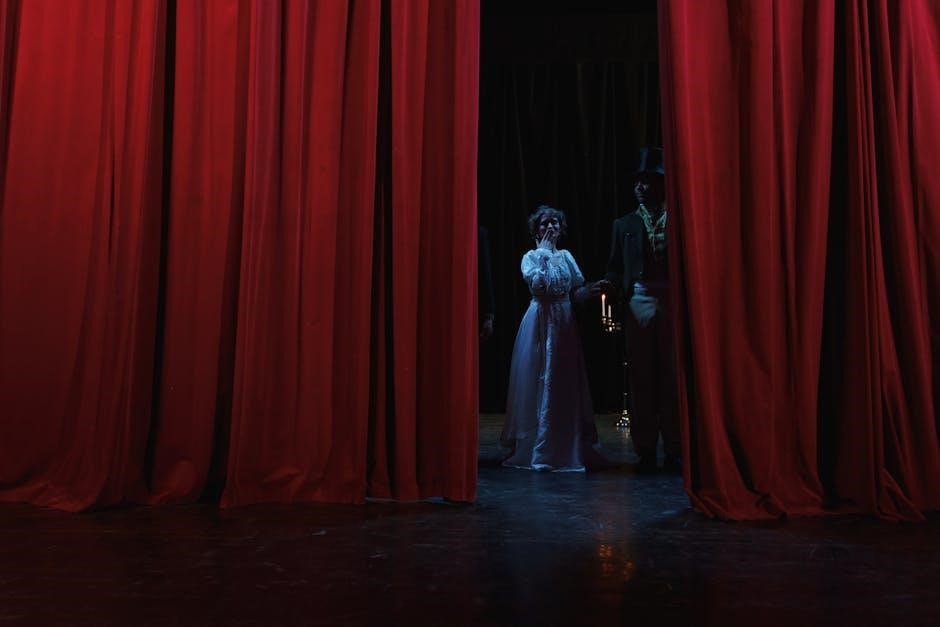
Arthur Miller’s The Crucible, a powerful drama, is readily available as a PDF download. Numerous online resources offer the full text, including character guides and study materials.

These PDF versions, often in public domain, facilitate easy access for students and enthusiasts alike. Download options include files like “the-crucible-arthur-miller;pdf”, sized around 1139 kb.

Exploring this classic play’s themes of hysteria and injustice is now more convenient than ever with these accessible digital copies.

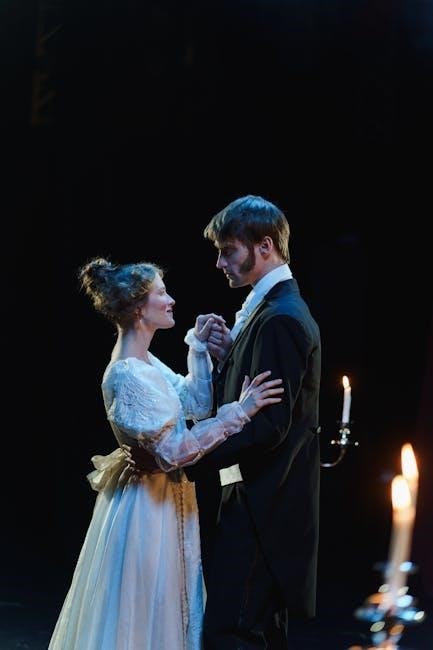
Arthur Miller’s The Crucible, first performed in 1953, remains a profoundly relevant and frequently studied dramatic work. This four-act play transcends its historical setting – the Salem witch trials of 1692 – to explore universal themes of mass hysteria, power, and individual conscience. The play’s enduring power lies in its ability to resonate with audiences across generations, prompting critical reflection on societal pressures and the dangers of unchecked authority.

Originally conceived as an allegory for the McCarthyism of the 1950s, The Crucible examines the devastating consequences of false accusations and the erosion of civil liberties. Miller masterfully portrays a community consumed by fear and paranoia, where personal vendettas and religious extremism fuel a climate of suspicion. The play’s characters grapple with difficult choices, forced to confront their own moral boundaries in the face of overwhelming pressure.

Fortunately, accessing this seminal work is remarkably easy. Numerous online platforms offer the complete text of The Crucible as a readily available PDF download. Resources like those mentioned provide convenient access to the script, facilitating study and analysis. Files such as “the-crucible-arthur-miller.pdf” (approximately 1139 kb) are commonly found, offering a portable and accessible format for engaging with Miller’s masterpiece. These digital versions often include supplementary materials, enhancing the reading experience.

II. Historical Context: The Salem Witch Trials

The Salem witch trials, which transpired in colonial Massachusetts between 1692 and 1693, serve as the chilling historical backdrop for Arthur Miller’s The Crucible. Triggered by a combination of religious extremism, social anxieties, and personal disputes, the trials resulted in the accusations, trials, and executions of over twenty individuals, primarily women, accused of witchcraft.

The initial accusations, brought forth by a group of young girls, quickly spiraled into a frenzy of fear and paranoia. Spectral evidence – testimony based on visions and dreams – was readily accepted in court, contributing to the escalating number of convictions. This atmosphere of hysteria allowed long-standing grudges and power struggles to manifest as accusations of demonic influence.

While Miller’s play isn’t a strictly factual account, it draws heavily from the documented events of the Salem trials, capturing the atmosphere of fear and injustice. Accessing primary and secondary sources relating to this period enhances understanding of the play’s historical roots. Fortunately, resources offering historical context, alongside the play’s text in PDF format – such as downloadable versions of The Crucible – are widely available online. These PDFs, like “the-crucible-arthur-miller.pdf”, provide a convenient way to study both the play and its historical foundation.

III. Arthur Miller: Author Biography

Arthur Miller (1915-2005) was a towering figure in 20th-century American theatre, renowned for his insightful explorations of the American Dream, morality, and social responsibility. Born in New York City, Miller’s early life was marked by economic hardship during the Great Depression, experiences that profoundly influenced his writing.

He achieved widespread acclaim with plays like All My Sons (1947) and Death of a Salesman (1949), establishing himself as a leading voice in American drama. However, it was The Crucible (1953) that cemented his legacy, particularly in light of the McCarthyist era’s anti-communist fervor.

Written as a response to the Red Scare, The Crucible utilizes the Salem witch trials as an allegory for the political persecution of suspected communists. Miller himself faced scrutiny from the House Un-American Activities Committee, refusing to name alleged communists and facing a conviction for contempt of Congress – later overturned.

His works, including The Crucible, are frequently studied and performed globally. Conveniently, the play’s text is readily available as a PDF download, such as “the-crucible-arthur-miller.pdf”, allowing for easy access to his powerful and enduring drama. Studying Miller’s biography enriches the understanding of the play’s context and themes.

IV. The Crucible: Plot Summary ⏤ Act I

Act I of Arthur Miller’s The Crucible introduces the village of Salem, Massachusetts, in 1692, and the escalating hysteria surrounding accusations of witchcraft. The play opens with Reverend Parris discovering his daughter, Betty, and other girls seemingly bewitched in the forest.

Rumors of witchcraft quickly spread, fueled by the Reverend’s fear for his reputation and the community’s existing religious anxieties. Abigail Williams, Parris’s niece, emerges as a central figure, initially denying any wrongdoing but subtly manipulating the situation.

Reverend Hale, an expert in witchcraft, is summoned to investigate. His arrival intensifies the pressure, as he attempts to discern the truth through questioning. Tituba, Parris’s enslaved woman, is coerced into confessing to witchcraft, naming others to save herself, and thus igniting a chain reaction of accusations.

The act concludes with Abigail and the other girls turning the accusations against Tituba and other marginalized members of the community. Access to the full text as a PDF, like “the-crucible-arthur-miller.pdf”, allows for a detailed examination of this pivotal opening act and the seeds of the unfolding tragedy.

V. The Crucible: Plot Summary ⏤ Act II

Act II of The Crucible shifts focus to the strained relationship between John and Elizabeth Proctor. Months have passed since the events of Act I, and the court, led by Deputy Governor Danforth, continues to examine alleged witchcraft cases.

The act centers around a tense confrontation between John and Elizabeth, revealing their emotional distance and the weight of suspicion surrounding them. Elizabeth is accused by Abigail Williams, motivated by a past affair with John and a desire for revenge.

Reverend Hale returns to the Proctors’ home, questioning their piety and seeking evidence of their faith. He attempts to uncover the truth, but John’s confession of his adultery with Abigail complicates matters, casting further doubt on his character.

The act culminates in Elizabeth’s arrest, based on Abigail’s accusations and a poppet—a doll—found in the Proctor household. This pivotal moment underscores the escalating hysteria and the fragility of justice. Studying the complete play as a PDF, such as the readily available “the-crucible-arthur-miller.pdf”, provides a deeper understanding of the act’s complexities.

VI. The Crucible: Plot Summary ー Act III

Act III of The Crucible is a dramatic courtroom showdown, marking a turning point in the play’s escalating conflict. John Proctor attempts to expose Abigail Williams’s deceit by revealing their past affair and her motivations for falsely accusing Elizabeth.

He presents Mary Warren, Abigail’s servant, as a witness to the girls’ fabricated claims of being afflicted by witchcraft. However, Abigail and the other girls skillfully manipulate the court, turning the accusations back on Mary and ultimately, on John himself.

Reverend Hale, increasingly disillusioned with the proceedings, attempts to reason with the court, but his efforts are thwarted by the rigid beliefs of Deputy Governor Danforth. The act features intense interrogations and accusations, highlighting the power dynamics and the dangers of mass hysteria.

Mary Warren, under immense pressure, ultimately betrays John and reverts to supporting Abigail’s claims. John, in a desperate attempt to save his wife, confesses to lechery, but this confession only serves to further incriminate him. Accessing the full text as a PDF, like “the-crucible-arthur-miller.pdf”, enhances comprehension of this pivotal act’s intricate details.

VII. The Crucible: Plot Summary ー Act IV

Act IV of The Crucible unfolds in a stark and desolate jail, months after the events of Act III. The town is gripped by unrest as rumors of rebellion circulate, fueled by the increasingly apparent injustice of the witch trials. Abigail has vanished with Parris’s money, exposing her fraudulent scheme.

John Proctor and Rebecca Nurse await execution, maintaining their integrity despite immense pressure to confess falsely and save their lives. Reverend Hale returns, desperately urging the accused to confess, believing any lie is better than death.

Elizabeth Proctor, brought in to speak with John, unknowingly contributes to his internal conflict by initially failing to defend his character; However, she later acknowledges her own failings and encourages him to choose his own conscience.

Ultimately, John Proctor chooses to die with his name intact, refusing to sign a false confession. His courageous act of defiance serves as a powerful condemnation of the court’s corruption and the destructive nature of hysteria. Studying the complete play, readily available as a PDF, such as “the-crucible-arthur-miller.pdf”, provides a deeper understanding of this tragic conclusion.

VIII. Major Characters: John Proctor

John Proctor is arguably the central tragic hero of Arthur Miller’s The Crucible. A respected, though flawed, farmer in Salem, Proctor grapples with guilt stemming from a past affair with Abigail Williams. This secret fuels much of the play’s conflict and ultimately contributes to his downfall.

Initially presented as a stern and independent man, Proctor’s character undergoes significant development as he confronts the escalating hysteria of the witch trials. He is a man of principle, fiercely protective of his reputation and unwilling to compromise his integrity.

Proctor’s attempts to expose Abigail’s lies and defend his wife, Elizabeth, demonstrate his courage and commitment to truth. However, his past indiscretion is weaponized against him, creating a moral dilemma that tests his resolve.

His ultimate decision to sacrifice his life rather than falsely confess highlights his unwavering commitment to honesty and personal honor. A comprehensive understanding of Proctor’s complexities is best achieved through a close reading of the play, easily accessible in PDF format, like “the-crucible-arthur-miller.pdf”, allowing for detailed character analysis.

IX. Major Characters: Abigail Williams

Abigail Williams serves as the primary antagonist in Arthur Miller’s The Crucible, a manipulative and vengeful young woman whose actions ignite the Salem witch trials. Driven by a desire for power and fueled by unrequited love for John Proctor, she orchestrates a campaign of false accusations to eliminate her rivals and reclaim Proctor’s affection.

Abigail is portrayed as a master of deception, skillfully exploiting the religious fervor and societal anxieties of Salem to her advantage. She possesses a remarkable ability to manipulate others, particularly the vulnerable young girls, whom she controls through fear and intimidation.

Her accusations, initially targeting Tituba and other marginalized members of the community, quickly escalate, ensnaring innocent individuals and plunging Salem into chaos. Abigail’s relentless pursuit of her own desires demonstrates a chilling lack of empathy and moral conscience.

Understanding Abigail’s motivations and manipulative tactics is crucial to comprehending the play’s central themes. Accessing the full text of The Crucible in PDF format, such as “the-crucible-arthur-miller.pdf”, provides a detailed examination of her character and her devastating impact on Salem.

X. Major Characters: Reverend Hale

Reverend John Hale arrives in Salem as an expert in witchcraft, summoned to investigate the claims of demonic possession. Initially confident in his abilities and eager to eradicate evil, Hale embodies the intellectual arrogance and rigid beliefs of the Puritan society.

As the trials progress, however, Hale undergoes a significant transformation. Witnessing the injustice and hysteria firsthand, he begins to question the validity of the accusations and the methods employed to uncover “witches.” His growing skepticism leads him to challenge the authority of the court and defend the accused.

Hale’s internal conflict—between his faith in the established order and his growing awareness of the corruption within it—forms a central dramatic tension in The Crucible. He attempts to salvage the situation, urging confessions to save lives, but ultimately recognizes the futility of his efforts.

A thorough understanding of Hale’s character arc requires a close reading of the play. Conveniently, the complete text of The Crucible is available as a PDF, like “the-crucible-arthur-miller.pdf”, allowing for detailed analysis of his evolving perspective and moral struggle.

XI. Major Characters: Elizabeth Proctor

Elizabeth Proctor stands as a pillar of integrity and moral strength within the tumultuous events of The Crucible. She is a respected member of the Salem community, known for her piety and reserved nature. However, her life is irrevocably altered by the accusations of witchcraft leveled against her and the subsequent investigation.

Elizabeth’s quiet dignity and unwavering honesty contrast sharply with the manipulative tactics of Abigail Williams. Though initially suspected due to John Proctor’s past affair with Abigail, Elizabeth refuses to compromise her principles to save herself. Her commitment to truth and justice ultimately leads to her tragic fate.

Throughout the play, Elizabeth embodies the devastating consequences of false accusations and the power of societal hysteria. Her unwavering faith in her husband, despite his flaws, highlights the enduring strength of their bond.

A comprehensive understanding of Elizabeth’s character is crucial to grasping the play’s central themes. Accessing the full text of The Crucible as a PDF, such as “the-crucible-arthur-miller.pdf”, allows for a detailed examination of her nuanced portrayal and profound impact on the narrative.

XII. Key Themes: Hysteria and Mass Panic

Hysteria and mass panic are arguably the most dominant themes in Arthur Miller’s The Crucible. The play vividly depicts how fear and suspicion can rapidly consume a community, leading to irrational accusations and unjust condemnations. This descent into chaos is fueled by the manipulative actions of individuals like Abigail Williams, who exploit the prevailing anxieties to achieve personal gain.

The Salem witch trials, as portrayed in the play, demonstrate the dangers of unchecked authority and the suppression of individual reason. As accusations escalate, the court and community become increasingly reliant on spectral evidence and unsubstantiated claims, effectively abandoning due process.

Miller masterfully illustrates how easily truth can be distorted and innocence destroyed when collective fear takes hold. The play serves as a cautionary tale about the fragility of societal order and the importance of critical thinking.

A thorough exploration of these themes requires a close reading of the text. Conveniently, the complete play is available as a PDF, like “the-crucible-arthur-miller.pdf”, enabling detailed analysis of the escalating hysteria and its devastating consequences.

XIII. Key Themes: Power and Authority

Power and authority are central to understanding the dynamics within The Crucible. The play examines how these forces can be wielded both legitimately and abusively, shaping the fates of individuals and the community as a whole. Reverend Parris, for instance, is primarily concerned with maintaining his position and authority within Salem, often prioritizing his reputation over justice.

The court, led by Deputy Governor Danforth, represents the formal authority of the colonial government. However, Danforth’s unwavering belief in his own judgment and his refusal to consider dissenting voices contribute to the escalating tragedy. He embodies the dangers of inflexible authority and the suppression of truth in the name of order.

Abigail Williams also demonstrates a different form of power – the power of manipulation and deceit. She skillfully exploits the existing power structures to accuse and condemn those who threaten her, highlighting the vulnerability of individuals in the face of unchecked influence.

Analyzing these power dynamics is greatly aided by access to the full text. Numerous online sources offer The Crucible as a PDF, such as “the-crucible-arthur-miller.pdf”, facilitating in-depth study.

XIV. Key Themes: Reputation and Honor

Reputation and honor are profoundly significant themes in The Crucible, driving many characters’ actions and ultimately contributing to the play’s tragic outcome. In the rigidly Puritan society of Salem, a person’s standing within the community was paramount, and accusations of witchcraft could irrevocably destroy one’s name.

John Proctor’s struggle exemplifies this theme. He desperately attempts to salvage his reputation after his affair with Abigail Williams is revealed, fearing the loss of respect and social standing. His internal conflict centers on whether to confess falsely to save his life or maintain his integrity and face execution.

Elizabeth Proctor also understands the weight of reputation, striving to maintain her honesty and moral standing despite the accusations leveled against her. The play demonstrates how easily reputations can be tarnished by false accusations and the devastating consequences that follow.

Accessing the complete text of The Crucible, readily available as a PDF download – for example, “the-crucible-arthur-miller.pdf” – allows for a detailed examination of these nuanced portrayals of reputation and honor. Studying the dialogue and character interactions reveals the immense pressure placed upon individuals to uphold their public image.

XV. Key Themes: Justice and Injustice

Justice and injustice form the very core of The Crucible, exposing the dangers of unchecked authority and the fragility of due process. The Salem witch trials, depicted in the play, represent a perversion of justice, where accusations are based on spectral evidence and personal vendettas rather than factual proof.

The court, led by Deputy Governor Danforth, prioritizes maintaining its authority over seeking truth, leading to wrongful convictions and executions. Characters like Reverend Hale initially believe in the court’s legitimacy but gradually recognize the injustice unfolding before him, ultimately attempting to rectify the situation.

John Proctor’s refusal to falsely confess, despite the potential to save his life, embodies a commitment to truth and a rejection of a corrupt system. His ultimate sacrifice highlights the devastating consequences of injustice and the importance of moral integrity.

A comprehensive understanding of these themes is readily accessible through the play’s text, often found as a convenient PDF download – such as “the-crucible-arthur-miller.pdf”. Examining the courtroom scenes and character testimonies reveals the systematic failures of justice within Salem.

XVI. Symbolism: The Crucible as a Metaphor

The title, The Crucible, operates as a potent metaphor on multiple levels. Literally, a crucible is a vessel used to melt substances at extremely high temperatures – a trial by fire. This directly reflects the intense pressure and scrutiny faced by the accused during the Salem witch trials, where reputations and lives were tested to their breaking point.

However, Miller extends the metaphor beyond the historical context. The Crucible also symbolizes the societal and political climate of McCarthyism in 1950s America, where accusations of communism led to widespread fear and persecution. The play serves as an allegory for the dangers of ideological extremism and the suppression of dissent.

The intense heat of the crucible represents the fervor of public opinion and the relentless pursuit of perceived enemies. Characters are “melted down” – forced to confess or face dire consequences – mirroring the pressures experienced by individuals targeted during the Red Scare.

Accessing the full text of the play, often available as a PDF – like “the-crucible-arthur-miller.pdf” – allows for a deeper exploration of these symbolic layers and their relevance to both historical and contemporary contexts.

XVII. Symbolism: Poppets and Dolls

Within The Crucible, poppets and dolls, seemingly innocent children’s toys, become powerful symbols of manipulation, deceit, and the insidious nature of accusation. Mary Warren’s gift of a poppet to Elizabeth Proctor serves as a crucial piece of evidence used to condemn her, highlighting how easily fabricated evidence can fuel hysteria.

The poppet, resembling Elizabeth herself, represents a voodoo-like effigy, allowing Abigail Williams to subtly accuse Elizabeth of witchcraft through needle pricks. This demonstrates Abigail’s cunning and her ability to exploit the prevailing superstitions to achieve her malicious goals.

These objects symbolize the vulnerability of the accused and the power of suggestion. The girls’ claims of being afflicted by the spirits of those who supposedly sent their spirits out to harm them rely on the belief in sympathetic magic – the idea that objects can be connected to individuals.

Studying the play, readily available as a PDF – such as “the-crucible-arthur-miller.pdf” – reveals how Miller utilizes these seemingly minor details to underscore the play’s central themes of injustice and the dangers of unchecked power.

XVIII. Literary Devices: Allegory and McCarthyism

Arthur Miller’s The Crucible functions as a potent allegory for the McCarthyism era of the 1950s, a period characterized by intense anti-communist suspicion and public accusations. The Salem witch trials of 1692 serve as a parallel to the House Un-American Activities Committee (HUAC) hearings, where individuals were often accused with little to no concrete evidence.

The play’s characters and events mirror the anxieties and injustices of McCarthyism. Joseph McCarthy’s relentless pursuit of alleged communists finds resonance in the zealous accusations of Abigail Williams and the other girls. The pressure to confess, even falsely, to save oneself echoes the demands for names and affiliations during the Red Scare.

Miller intentionally crafted the play to critique the dangers of ideological extremism and the erosion of civil liberties. The hysteria in Salem, fueled by fear and false accusations, reflects the climate of fear and conformity that gripped America during the Cold War.

Accessing the play as a PDF – like “the-crucible-arthur-miller.pdf” – allows for a deeper examination of these allegorical connections and Miller’s masterful use of dramatic irony to expose the absurdity and destructiveness of political persecution.

XIX. Literary Devices: Dramatic Irony

Arthur Miller skillfully employs dramatic irony throughout The Crucible, creating a palpable sense of tension and tragedy. The audience is often privy to information that characters within the play are not, heightening the emotional impact of their choices and fates;

For instance, we, as readers or viewers – particularly when engaging with a PDF version like “the-crucible-arthur-miller.pdf” – know Abigail Williams’ true motivations are rooted in personal vendettas and a desire for John Proctor, while the court believes her accusations stem from righteous piety. This disparity fuels the injustice at the heart of the play.

Similarly, John Proctor’s internal struggle with his guilt over his affair with Abigail is known to the audience long before it’s fully revealed to the court and Elizabeth. This knowledge intensifies the stakes as he attempts to salvage his reputation and protect his wife.

The dramatic irony underscores the play’s central themes of deception, hypocrisy, and the dangers of unchecked power. Miller uses this device to expose the flaws and vulnerabilities of the characters, ultimately leading to their downfall. Studying the play’s text allows for a focused analysis of these ironic moments.

XX. The Crucible: Critical Reception and Analysis

Arthur Miller’s The Crucible garnered significant critical acclaim upon its 1953 premiere, and continues to be a subject of extensive scholarly analysis. Initially interpreted as a direct allegory for McCarthyism, the play’s resonance extends far beyond its historical context;

Critics lauded Miller’s powerful depiction of mass hysteria, the abuse of power, and the fragility of individual conscience. The play’s enduring popularity is evidenced by the widespread availability of the text, including easily accessible PDF versions like “the-crucible-arthur-miller.pdf”.

Modern analyses often explore the play’s feminist readings, examining the roles and agency of female characters like Abigail Williams and Elizabeth Proctor. Others focus on the complexities of John Proctor’s character, debating his motivations and the nature of his tragic flaw.

The play’s enduring relevance lies in its ability to speak to contemporary issues of political persecution, social injustice, and the importance of defending individual liberties. Accessing the play through a PDF format facilitates close reading and deeper engagement with its multifaceted themes and literary techniques.

XXI. The Crucible: Stage and Film Adaptations

Arthur Miller’s The Crucible has enjoyed a rich history of stage and screen adaptations, demonstrating its enduring appeal and dramatic power. The 1967 film adaptation, directed by Alex Segal and starring George C. Scott, remains a notable cinematic interpretation.

Numerous stage revivals, both professional and amateur, continue to bring the play to audiences worldwide. These productions often offer fresh perspectives on the play’s themes and characters, reflecting contemporary social and political concerns.

The accessibility of the play’s text, including readily available PDF versions like “the-crucible-arthur-miller.pdf”, has undoubtedly contributed to its frequent performance. Studying the play through a PDF allows directors and actors to deeply engage with Miller’s language and dramatic structure.

Adaptations frequently grapple with the play’s allegorical dimensions, drawing parallels between the Salem witch trials and modern-day instances of injustice and persecution. Whether experienced on stage or screen, The Crucible continues to provoke thought and inspire dialogue about the complexities of human nature and the dangers of unchecked power.

XXII. Finding and Downloading The Crucible PDF

Locating a PDF copy of Arthur Miller’s The Crucible is remarkably straightforward in today’s digital landscape. Numerous online platforms offer the full text for free download, catering to students, educators, and literature enthusiasts.

A quick internet search for “The Crucible PDF” yields a wealth of results, including options like “the-crucible-arthur-miller.pdf”, often available from educational resource websites and digital libraries. These files typically range in size, with common examples around 1139 kb.

Many sites also provide accompanying resources, such as character guides (“character_guide_crucible.doc”) and study questions, enhancing the learning experience. It’s important to verify the source’s legitimacy to ensure a safe download.

Given the play’s public domain status and Creative Commons licensing, accessing a digital copy is generally permissible for personal and educational use. Having a PDF version facilitates convenient reading, annotation, and analysis of this seminal work of American drama, making it easily accessible for study and enjoyment.

XXIII. The Crucible: Study Questions and Discussion Points

Engaging with Arthur Miller’s The Crucible requires thoughtful consideration of its complex themes and characters. Utilizing a PDF version of the play facilitates close reading and annotation, prompting deeper analysis.

Key discussion points include the role of hysteria in shaping events, the abuse of power by figures like Reverend Parris and Judge Danforth, and the devastating consequences of false accusations. Consider the motivations of Abigail Williams and John Proctor, exploring their internal conflicts and moral compromises.

Further questions might address the play’s allegorical connection to McCarthyism, examining how Miller used the Salem witch trials to critique political persecution. Analyze the symbolism of objects like poppets and dolls, and discuss the significance of dramatic irony throughout the four acts.

Exploring the characters’ struggles with reputation and honor, as well as the concepts of justice and injustice, provides a rich foundation for classroom debate and essay writing. A readily available PDF allows students to easily reference specific passages while formulating their responses.

80 percent lower milling instructions

Embarking on 80% lower milling involves crafting your own AR15 or variant lower receiver, demanding careful attention to detail and adherence to legal guidelines.

This process, detailed in guides from r/VAGuns and Modern Warrior Project, requires specific tools like the Easy Jig Gen 2/3, and a commitment to precision.

What is an 80% Lower Receiver?

An 80% lower receiver is an unfinished component, typically made of 7075 aluminum, requiring machining to become a functional firearm part. It’s sold as a “blank” – not legally considered a firearm itself – allowing individuals to complete the manufacturing process.

As highlighted in online discussions, notably on r/VAGuns, these lowers are approximately 80% complete, needing critical areas like the trigger guard, magazine well, and fire control cavity milled out. Completing this process transforms the blank into a legally regulated firearm, subject to all applicable laws. Understanding this distinction is crucial before beginning any milling operation.

Legal Considerations and Risks

Navigating the legal landscape of 80% lower receivers is paramount. Federal and state laws vary significantly, and compliance is the responsibility of the individual. Manufacturing a firearm, even from a partially complete receiver, may require a Federal Firearms License (FFL) and adherence to National Firearms Act (NFA) regulations.

Furthermore, possessing an unfinished receiver with the intent to manufacture a firearm can be legally problematic. Risks include potential criminal charges and severe penalties for non-compliance. Thoroughly research and understand all applicable laws before commencing any milling process, as highlighted in online forums.

Preparation for Milling

Prior to milling, dedicate time to workspace setup, gather essential safety equipment, and carefully select a compatible 80% lower blank for optimal results.

Workspace Setup

Establishing a dedicated workspace is crucial for successful 80% lower milling. A sturdy workbench, free from clutter, provides a stable platform for your milling machine and jig. Ensure adequate lighting to clearly view the milling process and prevent errors.

Consider dust collection; milling aluminum generates significant metallic debris, so a shop vac or dust shoe attachment is highly recommended. Protect your workbench surface with a durable mat to prevent scratches and facilitate cleanup.

Finally, accessibility to power outlets and sufficient space to maneuver around the equipment are essential components of a well-prepared workspace, ensuring a safe and efficient milling experience.

Safety Equipment

Prioritizing safety is paramount when undertaking 80% lower milling. Always wear safety glasses or a face shield to protect your eyes from flying metal chips. Hearing protection, such as earmuffs or earplugs, is essential due to the loud noise generated by milling machines.

A respirator or dust mask prevents inhalation of aluminum particles, safeguarding your respiratory system. Gloves offer protection against sharp edges and potential skin irritation.

Appropriate clothing, avoiding loose garments, minimizes the risk of entanglement with rotating machinery. A well-ventilated workspace further reduces exposure to airborne particles, ensuring a safe milling environment.

Choosing the Right 80% Lower Blank

Selecting a quality 80% lower blank is crucial for a successful milling project. Opt for blanks manufactured from 7075-T6 aluminum, as emphasized in online discussions, ensuring durability and proper machining characteristics. Avoid polymer lowers, as they lack the necessary strength and longevity for reliable firearm operation.

Verify the blank’s compatibility with your chosen jig, such as the Easy Jig Gen 2/3, to guarantee a precise fit and accurate milling. Inspect the blank for any pre-existing defects or damage before commencing work.

Reputable suppliers offer consistent quality and adherence to specifications.

Essential Tools for Milling

Successful 80% lower milling demands a router or mill, a jig (like the Easy Jig), quality end mills, and precise measuring tools like calipers for accuracy.

Milling Machines (Routers vs. Mills)

Choosing between a router and a mill is a crucial first step. Routers, often more affordable, are frequently used with jigs like the Easy Jig Gen 2/3, offering accessibility for home builders. However, mills generally provide superior rigidity and precision, resulting in cleaner cuts and tighter tolerances.

While routers can effectively mill 80% lowers, they may require more passes and careful monitoring to avoid chatter or deflection. Mills, being designed for material removal, excel in this area, though they represent a significant investment.

Consider your budget, desired level of precision, and the volume of lowers you plan to mill when making your decision.

Jigs and Fixtures (Easy Jig Gen 2/3)

Jigs and fixtures are essential for accurately guiding your milling tools and ensuring consistent results. The 80 Arms Easy Jig Gen 2, and its updated version, the Gen 3 Multi-Platform jig, are popular choices within the 80% lower community, as highlighted on Reddit’s r/VAGuns and by Modern Warrior Project.

These jigs securely hold the 80% lower blank while providing precise alignment for drilling and milling operations. The Gen 3 version expands compatibility to include AR-9 and .308 platforms.

A quality jig minimizes errors and simplifies the milling process, making it accessible to beginners;

End Mills and Cutting Tools

Selecting the correct end mills is crucial for efficient and accurate milling. Various cuts require different tool geometries and sizes. High-speed steel (HSS) or carbide end mills are commonly used, with carbide offering superior durability and performance, though at a higher cost.

Appropriate flute counts and coatings enhance chip evacuation and tool life. Ensure compatibility with your milling machine’s spindle speed and feed rates.

Sharp, quality cutting tools are paramount for clean cuts and preventing damage to the 80% lower blank.

Measuring Tools (Calipers, Depth Gauges)

Precision is paramount in 80% lower milling, making accurate measuring tools indispensable. Digital calipers are essential for verifying critical dimensions of the lower receiver and ensuring proper fitment of components. Depth gauges are vital for accurately controlling the depth of cuts during pocket milling and other operations.

Regularly calibrate your measuring tools to maintain accuracy. Consistent measurements throughout the milling process guarantee a functional and safe final product.

Don’t underestimate the importance of verifying dimensions frequently!

Step-by-Step Milling Process

The milling process, as outlined in comprehensive guides, begins with jig setup and securing the lower blank, followed by hole drilling, pocket milling, and finishing.

Step 1: Jig Setup and Lower Blank Securing

Initiating the milling process demands meticulous jig setup, utilizing tools like the 80 Percent Arms Easy Jig Gen 2 or the updated Gen 3 Multi-Platform version; Ensure the jig is firmly mounted to a stable surface, crucial for accuracy.

Next, carefully position the 80% lower blank within the jig, verifying a snug and secure fit. Proper alignment is paramount; double-check that the blank is flush against all jig contact points.

Tighten all clamping mechanisms according to the jig manufacturer’s instructions, guaranteeing the blank remains immobile throughout the milling operations. A wobbly setup compromises precision and safety.

Step 2: Initial Milling Operations (Hole Drilling)

Commence milling with the initial drilling operations, guided by your chosen jig – whether it’s the Easy Jig Gen 2 or the Gen 3. Precisely follow the jig’s designated drill points for accurate hole placement.

Utilize appropriately sized drill bits, ensuring they are sharp to prevent burring and maintain clean holes. Employ a slow and steady drilling speed, applying consistent pressure.

Frequently clear chips from the drilling area to avoid interference and overheating. Accurate hole drilling forms the foundation for subsequent milling stages, impacting overall receiver functionality.

Step 3: Pocket Milling and Critical Dimensions

Transition to pocket milling, a crucial phase demanding meticulous attention to critical dimensions. The jig guides the router or mill to create the necessary pockets for the fire control group and other internal components.

Employ shallow passes with your end mill, gradually increasing depth to avoid stressing the aluminum. Regularly check dimensions with calipers and depth gauges, ensuring they align with specifications.

Precise pocket milling is paramount for proper firearm function and safety; deviations can render the receiver unusable or unsafe. Maintain consistent cutting parameters throughout this stage.

Step 4: Trigger Guard Milling

Initiate trigger guard milling with careful setup, utilizing the jig to define the guard’s shape and location. Employ appropriate end mills for smooth, controlled material removal, again using shallow passes to prevent chatter or damage to the receiver.

Pay close attention to the angles and curves, ensuring a snug fit for the trigger guard assembly. Regularly verify dimensions against specifications, as inaccuracies here can impede trigger functionality.

A well-milled trigger guard is essential for safe and ergonomic operation of the firearm, demanding precision and patience.

Step 5: Magazine Well Milling

Magazine well milling demands precision to guarantee proper magazine insertion and retention. Securely clamp the lower receiver in the jig, ensuring stability throughout the milling process. Utilize appropriate end mills and employ shallow depth of cuts to achieve a clean, accurate well.

Frequently check dimensions against specifications, focusing on the magazine well’s depth, width, and angles. A properly milled magazine well is crucial for reliable feeding and overall firearm functionality.

Take your time and prioritize accuracy during this critical step.

Material Considerations

Prioritize 7075 aluminum for its superior strength and durability in 80% lower receivers; avoid polymer lowers due to their documented reliability issues.

Importance of 7075 Aluminum

Selecting the correct material is paramount when milling an 80% lower receiver, and 7075 aluminum stands as the industry standard for a reason. This specific alloy offers an exceptional strength-to-weight ratio, crucial for withstanding the stresses of repeated firing and use.

Compared to other aluminum alloys, 7075 exhibits superior hardness and resistance to corrosion, ensuring a longer lifespan for your finished receiver. Online discussions, particularly on platforms like Reddit’s r/VAGuns, consistently emphasize the necessity of using 7075 aluminum, warning against alternatives.

Choosing this material isn’t merely about compliance with best practices; it’s about ensuring the safety and reliability of your firearm.

Avoiding Polymer Lowers

While polymer 80% lowers exist, experienced builders strongly advise against their use, citing significant durability concerns. Unlike their 7075 aluminum counterparts, polymer lowers lack the necessary strength and rigidity to reliably withstand the forces generated during firearm operation.

Discussions within online communities, such as r/VAGuns on Reddit, repeatedly highlight the inherent weaknesses of polymer, emphasizing their tendency to crack, warp, or even fail completely over time. This compromises both the safety and functionality of the firearm.

Investing in a quality 7075 aluminum blank is a crucial step towards building a dependable and long-lasting receiver.

Tips and Best Practices

Success in 80% lower milling hinges on patience, precision, and maintaining sharp cutting tools; cooling and lubrication are also vital for optimal results.

Taking Your Time and Precision

Milling an 80% lower receiver is not a race; it demands a deliberate and methodical approach. Rushing the process significantly increases the risk of errors, potentially rendering the lower unusable or, worse, unsafe. Each step, from jig setup to final inspection, requires focused attention to detail.

Precision is paramount. Maintaining consistent depth and accurate movements with your milling machine or router is crucial for achieving the correct dimensions. Small deviations can lead to fitment issues with critical components. Take frequent breaks to avoid fatigue and maintain concentration, ensuring every cut is clean and accurate; Remember, slow and steady wins this build.

Maintaining Tool Sharpness

Sharp end mills are absolutely essential for successful 80% lower milling. Dull tools force you to apply excessive pressure, leading to inaccurate cuts, increased heat, and potential damage to both the lower receiver and the milling machine. Regularly inspect your end mills for signs of wear, such as chipped edges or rounded corners.

Consider investing in a tool sharpening system or utilizing a professional sharpening service to keep your cutting tools in optimal condition. A sharp tool will glide through the aluminum, creating clean, precise cuts with minimal effort, ultimately contributing to a higher-quality finished product and a smoother milling experience.

Cooling and Lubrication

Effective cooling and lubrication are critical during the 80% lower milling process. Aluminum generates significant heat when machined, and excessive heat can warp the receiver, dull your cutting tools, and compromise the dimensional accuracy of your work. Employ a coolant, such as a mist coolant or cutting fluid, to dissipate heat and lubricate the cutting interface.

Proper lubrication reduces friction, extending tool life and improving surface finish. Apply coolant consistently throughout the milling operation, ensuring it reaches the cutting zone. This practice will contribute to a smoother, more efficient milling process and a higher-quality final product.

Final Inspection and Finishing

Thorough inspection is vital; check critical dimensions meticulously after milling. Deburring and smoothing operations refine the receiver, ensuring safe handling and optimal functionality.

Checking Critical Dimensions

Precise dimensional verification is paramount after completing the milling process. Utilize calipers and depth gauges to meticulously measure key areas of the lower receiver, ensuring they align with established specifications. Focus on the magazine well, trigger guard opening, and the various hole diameters.

Any deviations from the required dimensions can compromise the firearm’s functionality and safety. Refer to detailed blueprints or established guides for accurate measurements. A thorough check minimizes potential issues during assembly and operation, guaranteeing a reliable and safe final product. Don’t skip this crucial step!

Deburring and Smoothing

Following the dimensional check, meticulous deburring and smoothing are essential. Sharp edges and burrs created during milling can pose safety hazards and hinder smooth operation. Employ deburring tools to carefully remove any remaining imperfections from all milled areas, including the trigger guard and magazine well.

Smoothing surfaces with fine sandpaper or polishing compounds enhances the receiver’s finish and ensures a comfortable grip. This step not only improves aesthetics but also prevents snagging during handling and assembly. A refined finish contributes to the overall quality and longevity of the milled lower receiver.