sisu mouthguard instructions

SISU Mouthguard Instructions: A Comprehensive Guide

Welcome to the definitive guide for achieving optimal protection and comfort with your SISU mouthguard! This resource details fitting, care, and model-specific guidance.

SISU guards offer a custom fit via a simple hot-water molding process, ensuring a secure and comfortable experience during athletic activities.

Understanding SISU Mouthguard Technology

SISU mouthguards represent a significant advancement in athletic dental protection, diverging from traditional, bulky designs. At the heart of this innovation lies Diffusix technology, a scientifically engineered system utilizing a non-compressible, perforated material. This unique structure doesn’t simply absorb impact; it distributes forces over a wider surface area, dramatically reducing the risk of concussions and dental injuries during high-impact sports.

Unlike conventional mouthguards, SISU utilizes a medical-grade thermo-polymer that is remarkably thin – ranging from 1.6 to 2.0mm. This slim profile allows for unrestricted breathing, clear communication, and effortless hydration without removing the guard during play. The material’s inherent strength, being 30 times stronger than standard options, ensures robust protection despite its minimal thickness.

This combination of Diffusix technology and advanced material science delivers a superior level of safety and comfort, making SISU a preferred choice for athletes across various disciplines.

Diffusix Technology and Impact Distribution

Diffusix technology is the cornerstone of SISU’s protective capabilities, fundamentally changing how impact forces are managed. Traditional mouthguards often concentrate impact energy in a single location, increasing the risk of localized damage. Diffusix, however, employs a perforated matrix that disperses these forces across the entire surface of the mouthguard.

This innovative design prevents the build-up of pressure at any single point, reducing the severity of potential injuries to teeth, jaws, and the brain. The non-compressible nature of the material ensures consistent force distribution, even under extreme impact. Think of it as a shock absorber for your mouth, spreading the energy rather than absorbing it directly.

This superior impact distribution is crucial in minimizing the risk of dental fractures, concussions, and other head injuries, offering athletes a significantly higher level of protection during competition and training.

Material Composition: Medical Grade Thermo-Polymer

SISU mouthguards are crafted from a unique, proprietary medical-grade thermo-polymer, setting them apart from conventional ethylene vinyl acetate (EVA) mouthguards. This advanced material isn’t just about comfort; it’s about superior protection and durability. The thermo-polymer is notably stronger – approximately 30% more resilient – than standard materials used in athletic mouthguards.

This enhanced strength allows for a significantly thinner profile, ranging from 1.6 to 2.0mm, without compromising safety. The thin design promotes easier breathing, clearer communication, and effortless hydration during activity. Importantly, the material is non-toxic and biocompatible, ensuring a safe experience for athletes of all ages.

Furthermore, this specialized thermo-polymer exhibits exceptional remoldability, allowing for up to 20 re-moldings to achieve a perfect, customized fit. It’s a material engineered for performance, safety, and long-lasting use.

Preparing for the Fitting Process

Before molding, thoroughly rinse your SISU mouthguard with warm water. This ensures cleanliness and prepares the material for optimal malleability during the fitting procedure.

Initial Rinse and Hydration

Prior to initiating the fitting process, a crucial first step is to thoroughly rinse your SISU mouthguard with clean, lukewarm water. This simple action serves multiple purposes, effectively removing any residual manufacturing dust or particles that may be present on the surface of the guard.

Furthermore, hydration begins to soften the thermo-polymer material, priming it for the molding process. This initial rinse isn’t merely about cleanliness; it’s about preparing the material to become pliable and conform precisely to the unique contours of your teeth and gums.

Ensure the entire surface of the mouthguard is wetted, both inside and out. A quick, comprehensive rinse is all that’s needed – avoid prolonged soaking, as excessive water absorption can affect the molding outcome. Rinsing before each use is also recommended for maintaining hygiene and ensuring a consistent fit.

Water Temperature Guidelines for Molding

Achieving the ideal water temperature is paramount for a successful SISU mouthguard fitting. The water should be comfortably warm to the touch, but not scalding hot. A temperature range of 50-60°C (122-140°F) is generally recommended. Using water that is too cold will not adequately soften the thermo-polymer, resulting in a poor fit. Conversely, excessively hot water can distort the mouthguard’s shape and potentially cause discomfort or even burns.

A simple test is to ensure you can comfortably submerge your hand in the water for a short period. Avoid using boiling water or microwaving the mouthguard directly, as this can lead to uneven heating and damage.

Consistent temperature is key; maintain the warm water throughout the molding process. If the water cools down, simply refresh it with more warm water to ensure optimal material pliability for a custom, secure fit.

The Fitting Procedure: Step-by-Step

Follow these simple steps for a perfect fit! Begin with initial insertion, then focus on tongue placement and front teeth molding for optimal comfort and protection.

Step 1: Initial Insertion and Bite

Begin the fitting process by thoroughly rinsing your SISU mouthguard with warm water. This prepares the material for molding and ensures a hygienic fit. Next, using a mirror for guidance, carefully insert the mouthguard into your mouth.

Gently bite down on the solid bar located in the center of the SISU mouthguard. This initial bite doesn’t need to be forceful; the goal is simply to hold the guard securely in place. Maintain this gentle bite throughout the next stages of the molding process.

Ensure the mouthguard is positioned correctly, covering your upper teeth. It’s crucial to avoid biting down too hard at this stage, as you’ll be adjusting the fit further in subsequent steps. The mouthguard should feel relatively stable, but still pliable enough to mold. This initial bite establishes the base for a customized and protective fit.

Step 2: Tongue Placement and Front Teeth Molding

With the mouthguard gently secured by your initial bite, it’s time to focus on molding the front teeth area. Press your tongue firmly against the roof of your mouth. This action creates space and helps to properly shape the mouthguard around your front teeth.

While maintaining tongue pressure, use your lips to gently flip up the softened material of the mouthguard, ensuring it conforms closely to the outer surfaces of your front teeth. Work systematically, starting with one side and then moving to the other.

Apply gentle pressure with your fingers on the outside of the mouthguard to assist in the molding process, ensuring a snug and accurate fit around each tooth. Avoid excessive force, as this could distort the shape. This step is vital for optimal front tooth protection.

Step 3: Back Teeth Molding and Secure Fit

Now, shift your focus to the back teeth to finalize the secure fit of your SISU mouthguard. Starting at the back of your mouth, firmly bite down, ensuring the softened material extends fully over your molars. Maintain the tongue placement established in the previous step.

Apply gentle, even pressure with your fingers on the outside of the mouthguard, guiding the material to conform precisely to the contours of your back teeth. This ensures comprehensive protection and prevents the guard from shifting during activity.

Continue biting down for approximately 30-60 seconds, allowing the material to fully set and create a stable, retentive fit. The mouthguard should now feel secure and comfortable, staying in place even with movement.

Remolding Your SISU Mouthguard

SISU mouthguards are remarkably adaptable! They can be remolded up to twenty times, allowing for adjustments as your teeth shift or for a perfect, customized fit.

Remolding Frequency: Up to 20 Times

The remarkable adaptability of SISU mouthguards is a key benefit, allowing for adjustments over time. Each SISU guard can be successfully remolded up to twenty times, ensuring a consistently optimal fit throughout your athletic journey. This is particularly useful for growing athletes or those undergoing orthodontic treatment.

If you experience changes in your teeth alignment, or if the initial fit isn’t quite perfect, don’t hesitate to repeat the molding process. Remember to always follow the detailed fitting instructions carefully each time you remold.

However, avoid exceeding the 20-remold limit, as the material’s integrity may be compromised. With proper care and occasional remolding, your SISU mouthguard will provide reliable protection and comfort for years to come. Consistent remolding ensures a secure fit, maximizing its protective capabilities.

Troubleshooting Common Fitting Issues

Achieving a perfect fit is crucial for optimal protection, but minor adjustments are sometimes needed. If the mouthguard feels loose, remold it, ensuring a firmer initial bite and thorough tongue placement. For discomfort or pressure points, remold again, focusing on those specific areas.

If the material doesn’t soften sufficiently in the warm water, ensure the water temperature is correct (not boiling!). If it’s too bulky, try a shorter molding time. Conversely, if it cools too quickly, work swiftly during the molding process.

For braces wearers, SISU mouthguards are designed to accommodate them, but may require more frequent remolding as teeth shift. Always consult your dentist if you experience persistent discomfort or difficulty achieving a secure fit. A properly fitted SISU provides superior protection and peace of mind.

SISU Mouthguard Models and Their Uses

SISU offers specialized models for diverse athletic needs! The Aero is ideal for general sports, Max provides maximum impact protection, and Go focuses on front tooth safeguarding.

SISU Aero: For General Sports (Basketball, Soccer, etc.)

The SISU Aero is engineered for a wide range of sports including basketball, soccer, hockey, and lacrosse, offering exceptional protection without compromising comfort or performance. Its remarkably thin 1.6mm profile – 50% thinner than traditional mouthguards – allows for easy breathing, clear communication, and effortless hydration during gameplay, eliminating the need to remove the guard.

Featuring Diffusix technology, the Aero’s perforated material strategically disperses impact forces across a larger surface area, significantly reducing the risk of dental injuries. This scientifically advanced design ensures robust protection while maintaining a lightweight and comfortable fit. The Aero is suitable for both youth and adult athletes and is easily custom-molded at home using hot water, and can be remolded multiple times for a perfect fit.

Players can confidently focus on their performance knowing their teeth are safeguarded by the innovative SISU Aero mouthguard.

SISU Max: For High-Impact Sports (Rugby, MMA, Boxing)

Designed for the rigors of high-impact sports like rugby, MMA, boxing, football, and hockey, the SISU Max provides unparalleled protection. This model is 50% stronger than standard mouthguards, constructed from a unique medical-grade thermo-polymer, ensuring superior resilience against forceful impacts. Athletes can maintain the guard securely in their mouth throughout the entirety of competition or practice – removal is unnecessary.

The SISU Max’s robust construction doesn’t sacrifice comfort; it’s still remarkably thin and allows for relatively normal breathing and communication. Diffusix technology plays a crucial role, distributing impact forces to minimize the risk of dental trauma. It’s remoldable up to 20 times, allowing for a truly customized fit, even for athletes who wear braces.

Choose the SISU Max for maximum protection and confidence in demanding athletic environments.

SISU Go: For Action Sports & Front Tooth Protection

The SISU Go is specifically engineered for action sports like skateboarding, BMX, water polo, and soccer, prioritizing low-profile front tooth protection. This model excels in activities where a bulky mouthguard could hinder performance or increase the risk of injury. Its thin, breathable design ensures comfort and doesn’t impede breathing or communication during intense activity.

Despite its streamlined profile, the SISU Go doesn’t compromise on safety. Constructed from a non-toxic, medical-grade thermo-polymer, it offers reliable protection against impacts. Remoldable up to 20 times, the SISU Go allows for a personalized fit, adapting to the unique contours of your mouth.

This model is ideal for athletes seeking a discreet yet effective solution for protecting their smile during dynamic and fast-paced sports.

Care and Maintenance

Maintaining your SISU mouthguard is simple! Rinse thoroughly with water after each use and store it securely in the provided protective case to ensure longevity.

Cleaning Instructions: Post-Use Rinse

Proper cleaning is crucial for maintaining hygiene and extending the life of your SISU mouthguard. After every use, regardless of the sport or activity, a thorough rinse is essential. Begin by rinsing the mouthguard under cool or lukewarm water, removing any visible debris or saliva. Avoid using hot water, as it could potentially distort the shape of the thermo-polymer material.

Gentle brushing with a soft-bristled toothbrush and mild soap is recommended for a more comprehensive clean. Ensure all soap residue is completely rinsed away, as any remaining soap could cause irritation. Avoid abrasive cleaners, toothpaste, or denture cleaning tablets, as these can damage the surface of the mouthguard and compromise its protective qualities.

Regular cleaning prevents the buildup of bacteria and ensures a fresh, comfortable experience each time you use your SISU mouthguard. A clean mouthguard contributes to better oral health and optimal performance during your chosen activity.

Storage Recommendations: Protective Case

To ensure the longevity and integrity of your SISU mouthguard, proper storage is paramount. Always store your mouthguard in the provided protective case when not in use. This case shields the mouthguard from potential damage, contamination, and distortion. The case also prevents crushing or bending, which could compromise the custom fit and protective capabilities.

Avoid storing the mouthguard in direct sunlight or extreme temperatures, as this can affect the thermo-polymer material. Do not leave the mouthguard exposed to pets, as they may chew or damage it. Keeping the mouthguard in its case also maintains hygiene, preventing the accumulation of dust and bacteria.

The protective case is designed specifically for your SISU mouthguard, offering a secure and convenient storage solution. Consistent use of the case will help maintain the mouthguard’s shape, cleanliness, and overall performance, ensuring it remains a reliable protector for years to come.


ryobi 40 volt string trimmer manual

Ryobi 40 Volt String Trimmer Manual: A Comprehensive Guide

This comprehensive guide details operation, safety, and maintenance for Ryobi 40V string trimmers (RY40ST01K, RY40204, etc.), ensuring optimal performance and longevity.

The Ryobi 40V string trimmer represents a powerful and versatile solution for maintaining lawns and landscapes. Designed with the user in mind, this tool combines cordless convenience with robust performance, making yard work more efficient. This manual serves as a complete resource, covering everything from initial setup and safe operation to detailed maintenance procedures.

Ryobi’s commitment to innovation is evident in the Expand-It system, allowing interchangeability with various attachments. Whether tackling overgrown grass or refining edges, the 40V trimmer delivers reliable power. Understanding this manual ensures you maximize the trimmer’s capabilities and enjoy years of dependable service.

Model Numbers and Identification (RY40ST01K, RY40204, RY40204VNM, RY40001)

Identifying your specific Ryobi 40V string trimmer model is crucial for accessing the correct parts and support information. Common models include the RY40ST01K, a complete kit, alongside the RY40204 and RY40204VNM, which are trimmer-only options. The RY40001 designates the 40V Power Head, compatible with various attachments.

Locate the product label – typically on the power head – to find the model number and manufacturing location. Always reference this information when contacting TTI Outdoor Power Equipment or ordering replacement parts. Accurate identification streamlines service and ensures compatibility.

Safety Precautions and Warnings

Prioritize safety when operating your Ryobi 40V string trimmer. Always wear appropriate personal protective equipment, including eye protection, hearing protection, and sturdy footwear. Keep bystanders, especially children and pets, at a safe distance. Inspect the trimmer before each use, ensuring all parts are securely attached and in good working condition.

Never operate the trimmer with a damaged guard or without the battery properly installed. Disconnect the battery before making any adjustments or changing the cutting string. Avoid using the trimmer in wet conditions.

Component Overview & Parts List

The Ryobi 40V string trimmer consists of several key components. These include the power head, string trimmer head assembly, shaft, handle, and a 40V battery with a corresponding charger. A detailed parts list, referencing key numbers and part numbers, is crucial for maintenance and repairs. Familiarize yourself with each component’s function and location.

Understanding the assembly allows for efficient troubleshooting and replacement of worn or damaged parts. Refer to the manual’s diagrams for visual identification of each component.

String Trimmer Head Assembly

The string trimmer head assembly houses the cutting string and facilitates its feed during operation. It typically features an auto-feed mechanism, ensuring continuous string delivery. This assembly connects directly to the trimmer shaft. Understanding its components – the spool, line release button, and guard – is vital for string replacement and maintenance.

Regular inspection of the head assembly prevents malfunctions. Ensure the string is properly loaded and the release button functions smoothly. A damaged head assembly can hinder performance and safety.

Shaft and Handle Configuration

The shaft connects the power head to the trimmer head, transmitting rotational force. Ryobi 40V trimmers often feature a straight or curved shaft design, impacting maneuverability. The handle configuration is crucial for user comfort and control, typically including adjustable grips and auxiliary handles.

Ergonomic design minimizes fatigue during extended use. Inspect the shaft for any damage or looseness before each use. Proper handle adjustment ensures optimal leverage and reduces strain. A secure connection between the shaft and power head is essential for safe operation.

40V Battery and Charger Information

Ryobi’s 40V lithium-ion batteries power these string trimmers, offering cordless convenience and consistent performance. Battery capacity (Ah) determines runtime; higher Ah equates to longer operation. Use only Ryobi-approved chargers to prevent damage and ensure safety. Charging times vary based on battery capacity and charger model.

Store batteries in a cool, dry place, away from direct sunlight and extreme temperatures. Regularly check battery terminals for corrosion. Proper battery maintenance extends its lifespan and optimizes trimmer performance. Always disconnect the battery before performing any maintenance.

Assembly Instructions

Before operation, proper assembly is crucial for safe and effective trimming. Begin by carefully unpacking all components and verifying against the parts list. Attach the string trimmer head securely to the shaft, ensuring a firm connection. Next, connect the shaft to the power head, aligning and tightening all fasteners.

If included, install the edge guide according to the diagram, ensuring it’s properly positioned for edging tasks. Double-check all connections before inserting the 40V battery. Refer to the manual’s illustrations for detailed guidance throughout the assembly process.

Attaching the String Trimmer Head

Securely attaching the trimmer head is the first assembly step. Align the head with the shaft receiver, ensuring the locking tabs are accessible. Push the head firmly onto the shaft until it clicks into place, confirming a positive lock. Rotate the head to verify it’s properly seated and doesn’t wobble.

Inspect the string feed mechanism to ensure free movement. If resistance is felt, consult the manual’s troubleshooting section. A properly attached head is vital for efficient string feeding and optimal trimming performance. Always double-check before use!

Connecting the Shaft to the Power Head

Properly connecting the shaft to the power head ensures safe and efficient operation. Align the shaft’s insertion point with the power head’s receiver, noting any alignment markings. Insert the shaft firmly, then rotate it until the locking mechanism engages with an audible click.

Verify a secure connection by attempting to gently pull the shaft from the power head – it should not detach. Ensure the shaft is fully locked before attaching the trimmer head or operating the tool. A loose connection can cause instability and potential hazards.

Installing the Edge Guide (if applicable)

If your Ryobi 40V trimmer includes an edge guide, installation is straightforward. Locate the edge guide attachment point on the trimmer head. Slide the edge guide onto this point, ensuring it’s oriented correctly for desired edging direction.

Secure the edge guide using the provided knob or locking mechanism, tightening it firmly but not excessively. A properly installed edge guide provides clean, precise edging along sidewalks, driveways, and flowerbeds. Regularly check the guide’s security before each use.

Operation Instructions

Before operating your Ryobi 40V string trimmer, ensure the cutting head is securely attached and the battery is fully charged. To start, insert the battery and depress the trigger lock-out lever, then squeeze the trigger. Release the trigger to immediately stop the trimmer.

Always maintain a firm grip and keep both hands on the trimmer during operation. For optimal trimming, use a sweeping motion, avoiding prolonged contact with any single area. Prioritize safety and wear appropriate protective gear.

Starting and Stopping the Trimmer

To begin operation, firmly insert the 40V battery into the power head. Depress and hold the safety lock-out lever, then squeeze the trigger to initiate the motor. Releasing the trigger instantly halts the trimmer. Always ensure a secure grip on the handle during startup and operation.

Before each use, inspect the trimmer head for obstructions. If the trimmer fails to start, verify the battery charge and proper lever engagement. Never attempt to modify the safety mechanisms.

Trimming Techniques

For effective trimming, maintain a slight angle with the trimmer head, sweeping it back and forth in a controlled arc. Avoid forcing the line through thick vegetation; instead, use multiple passes. Keep the cutting string near ground level for optimal results, but prevent contact with hard surfaces.

Walk at a steady pace, overlapping each pass slightly to prevent uncut areas. Be mindful of obstacles like trees and fences, adjusting your technique accordingly. Regularly check the string length for peak performance.

Edging Techniques

To achieve clean edges, rotate the trimmer head 180 degrees to utilize the edging guide (if equipped). Hold the trimmer firmly with both hands, maintaining a vertical orientation against sidewalks, driveways, or patios.

Employ short, controlled sweeps, gradually creating a defined edge. Avoid excessive pressure, which can damage the trimmer head or the surface being edged. Regularly clear away grass clippings for a neater appearance. Remember safety glasses are crucial during edging operations.

Maintenance and Care

Regular maintenance ensures your Ryobi 40V trimmer’s longevity and optimal performance. Frequently inspect the trimmer head for damage and promptly replace worn parts. Keep the unit clean by removing grass clippings and debris after each use.

Proper battery care, including storage in a cool, dry place, is vital. Always refer to the battery’s specific manual for detailed instructions. Consistent upkeep, like string replacement and cleaning, will prevent issues and maximize the trimmer’s lifespan.

Replacing the Cutting String

To replace the string, ensure the trimmer is switched off and the battery is removed for safety. Access the trimmer head, typically by pressing release tabs. Remove the spool and discard any broken or worn string. Clean the spool housing thoroughly before winding new string onto the spool, following the arrow direction.

Ensure the string is wound tightly and evenly. Reinstall the spool, securing it properly within the trimmer head. Finally, reattach the trimmer head, verifying it clicks securely into place before resuming operation.

Cleaning the Trimmer Head

Regular cleaning of the trimmer head prevents grass buildup and ensures smooth string feeding. Always disconnect the battery before cleaning. Remove any accumulated debris, grass, or dirt from the trimmer head housing and around the string spool. A soft brush or compressed air can be effectively used for this purpose.

Inspect the string exit points for blockages and clear them carefully. Ensure the automatic feed mechanism is free from obstructions. A clean trimmer head contributes to optimal cutting performance and extends the life of your Ryobi tool.

Battery Maintenance and Storage

Proper battery care maximizes its lifespan and performance. After each use, clean the battery terminals with a dry cloth. Store the battery in a cool, dry place, away from direct sunlight and extreme temperatures. For long-term storage, it’s recommended to charge the battery to approximately 40-60% capacity.

Avoid storing a fully discharged battery, as this can cause irreversible damage. Regularly check the battery for any signs of damage or corrosion. Always use the Ryobi-specified charger for optimal charging and safety.

Troubleshooting Common Issues

Encountering problems? This section addresses frequent issues. If the trimmer won’t start, ensure the battery is fully charged and correctly inserted. For string feeding problems, check for obstructions in the trimmer head and ensure proper string loading. Motor overheating can occur during prolonged, heavy use; allow the trimmer to cool down.

Inspect the air vents for blockages. If issues persist, consult the repair sheet or contact TTI Outdoor Power Equipment for assistance. Always disconnect the battery before performing any inspection or maintenance.

Trimmer Not Starting

If your Ryobi 40V trimmer fails to start, first verify the 40V battery is fully charged using the charger. Ensure the battery is securely locked into the power head. Inspect the battery terminals for any debris or corrosion, cleaning them if necessary. Confirm the safety lock-off is disengaged and the trigger is fully depressed.

A faulty battery or a problem with the power head itself could be the cause. Test with a known working battery if possible. If the issue continues, contact TTI Outdoor Power Equipment.

String Feeding Problems

Experiencing issues with string feeding? Ensure you’re using the correct replacement string diameter specified in the manual. Verify the trimmer head is properly assembled and the string is loaded correctly into the spool. Clean the trimmer head, removing any grass or debris obstructing the string feed mechanism.

Sometimes, gently bumping the trimmer head on a hard surface while the trigger is depressed can initiate the feed. If problems persist, disassemble and inspect the spool and feed components for damage, replacing if needed.

Motor Overheating

If the motor overheats, immediately release the trigger and allow the trimmer to cool down completely. Overheating often results from prolonged use, especially in demanding conditions like thick weeds or high temperatures. Ensure adequate ventilation around the motor housing; avoid operating in enclosed spaces.

Check the air vents for obstructions and clean them regularly. Using a fully charged battery and avoiding excessive pressure during trimming can also help prevent overheating. If the issue continues, consult the repair sheet or contact TTI Outdoor Power Equipment.

Repair Sheet and Parts List Details

The repair sheet and parts list are crucial for maintaining your Ryobi 40V trimmer. These documents, often included within the complete PDF manual, provide key numbers, corresponding part numbers, and detailed descriptions of each component. This allows for accurate identification when ordering replacements.

Refer to these lists when troubleshooting or performing repairs. Ensure you have the correct model number (RY40ST01K, RY40204, etc.) for accurate parts matching. TTI Outdoor Power Equipment also offers assistance with parts identification and ordering through their website or customer service.

Understanding the Expand-It System

Ryobi’s Expand-It system offers versatility with the 40V power head (like RY40001). This innovative design allows one powerhead to accept various attachments – string trimmers, edgers, and more – saving space and cost. The RY40ST01K utilizes this system, connecting easily to the powerhead.

This modular approach means you only need to invest in the 40V battery and charger once, then expand your outdoor tool collection as needed. Explore the range of compatible Expand-It attachments to maximize the functionality of your Ryobi 40V tools.

Specifications (Voltage, Cutting Swath, Weight)

Key specifications for Ryobi 40V string trimmers include a nominal voltage of 40V, powered by a 40V lithium-ion battery (sold separately). The cutting swath typically ranges around 13-16 inches, providing efficient trimming coverage. Weight varies depending on the model and attachment, but generally falls between 8-11 pounds without the battery.

These specifications contribute to the trimmer’s balance of power, maneuverability, and user comfort. Always refer to your specific model’s documentation (RY40ST01K, RY40204) for precise details.

Warranty Information

Ryobi’s warranty for the 40V string trimmer (models RY40ST01K, RY40204, etc.) typically covers defects in materials and workmanship for a specified period, often three years with proof of purchase. This warranty doesn’t cover items damaged by misuse, accidents, or normal wear and tear.

Battery and charger warranties may differ. Registration of your product is often recommended to validate warranty coverage. Refer to the official Ryobi website (www.ryobitools.com) or the included warranty documentation for complete details and claim procedures.

Contact Information (TTI Outdoor Power Equipment, Inc.)

For assistance with your Ryobi 40V string trimmer, contact TTI Outdoor Power Equipment, Inc., the manufacturer. You can reach them via mail at P.O. Box 1288, Anderson, SC 29622. Alternatively, call their customer support line at 1-800-525-2579.

Their website, www.ryobitools.com, provides extensive resources, including FAQs, parts diagrams, and downloadable manuals. For specific inquiries regarding warranty claims or repair services, utilize the contact options available on their official website for prompt assistance.

Downloading the Complete PDF Manual

Access the full Ryobi 40V string trimmer manual in PDF format for detailed instructions and diagrams. This comprehensive 60-page document (model RY40ST01K) provides in-depth information on assembly, operation, maintenance, and troubleshooting.

Downloading the PDF allows offline access and convenient printing. Locate the manual through Ryobi’s official website, www.ryobitools.com, or via search engines using the model number. Ensure you have a PDF reader installed on your device to view the document correctly. This resource is invaluable for maximizing your trimmer’s lifespan.

Frequently Asked Questions (FAQ)

Common questions regarding the Ryobi 40V string trimmer often involve battery compatibility, string replacement procedures, and troubleshooting starting issues. Users frequently inquire about the Expand-It system’s versatility and available attachments.

Another frequent query concerns the location of the model and manufacturing date on the trimmer itself. Refer to the complete PDF manual for detailed answers and diagrams. For specific repair questions or parts identification, consult the repair sheet within the manual or contact TTI Outdoor Power Equipment directly.

ski trip packing list pdf

Ski Trip Packing List: The Ultimate Guide (PDF Focus)

Planning a ski adventure? This comprehensive guide, optimized for a PDF checklist, ensures you don’t forget essentials – from gear to first aid, for a seamless trip!

Embarking on a ski trip is thrilling! However, proper preparation is paramount for enjoyment and safety. A well-structured packing list, ideally in PDF format for easy access and printing, is your first step. Don’t let the excitement overshadow essential considerations – from specialized ski equipment and appropriate clothing layers to vital health and safety items.

This guide aims to simplify the process, ensuring you’re equipped for both on-slope adventures and relaxing après-ski moments. Whether it’s a school trip, a family vacation, or a solo expedition, a detailed checklist minimizes stress and maximizes fun. Consider creating a customizable PDF to tailor it to your specific destination and trip duration.

Why a Detailed Packing List is Crucial

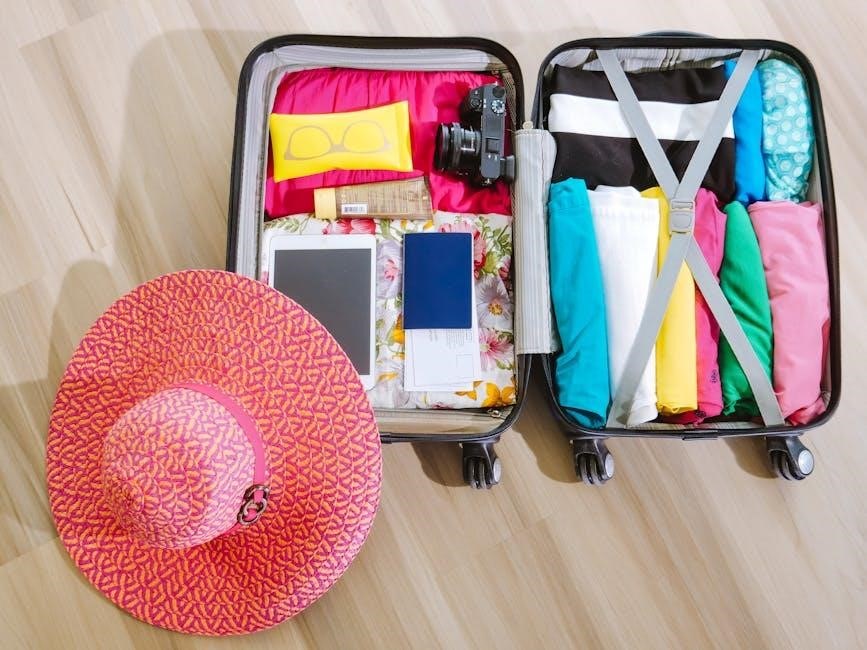
Forgetting essential items can ruin a ski trip! A detailed packing list, especially a readily available PDF version, prevents this. It’s easy to overlook crucial gear amidst the excitement. A checklist ensures you remember everything from waterproof layers and specialized socks to vital medications and emergency contact information.

Furthermore, a PDF packing list facilitates efficient packing and reduces last-minute scrambling. It’s particularly helpful for group trips or when traveling with children. Having a clear overview of necessary supplies minimizes stress and allows you to focus on enjoying your snow-filled vacation. Don’t underestimate the power of preparedness!

Clothing: Layering for Warmth and Comfort

Essential for skiing! Pack moisture-wicking base layers, insulating mid-layers, and waterproof outer layers – a PDF checklist helps track it all efficiently.

Base Layers: Moisture-Wicking Fabrics

Foundation for warmth! Your base layers are crucial; choose moisture-wicking fabrics like merino wool or synthetic materials. Avoid cotton, as it retains moisture and can leave you feeling cold and uncomfortable on the slopes. A PDF packing list should specifically detail the quantity needed – typically two to three sets, allowing for rotation and drying.

Consider both long-sleeved tops and long underwear bottoms. These layers sit directly against your skin, so comfort is paramount. Prioritize a snug, but not restrictive, fit to maximize their effectiveness. Including base layer specifics in your PDF ensures you’re prepared for varying temperatures and activity levels throughout your ski trip. Don’t underestimate their importance!

Mid Layers: Insulation is Key

Trapping warmth is essential! Mid layers provide crucial insulation, sitting atop your base layers. Fleece jackets, down sweaters, or lightweight insulated vests are excellent choices. Your PDF packing list should specify the type and weight of mid-layers based on anticipated conditions – colder destinations require heavier insulation.

Consider packability; down and synthetic fills compress easily. Having multiple mid-layer options allows for adaptability. A thinner fleece for warmer days and a heavier down jacket for colder conditions is ideal. Clearly outlining these options within your PDF checklist ensures you’re prepared for fluctuating mountain temperatures and can regulate your body heat effectively.

Outer Layers: Waterproof and Windproof Protection

Shield yourself from the elements! Your outer layer is your primary defense against snow, wind, and rain. A waterproof and windproof ski jacket and pants are non-negotiable. Ensure your PDF packing list details the waterproof rating (higher is better!) and breathability of these items.

Look for features like taped seams, a powder skirt, and a helmet-compatible hood. Consider a 3-in-1 jacket offering versatility. Your PDF should also prompt a check for proper fit, allowing room for layering underneath. Don’t forget waterproof gloves or mittens – essential for maintaining dexterity and warmth on the slopes!

Socks: Specialized Ski & Snowboard Socks

Don’t underestimate the power of good socks! Regular socks won’t cut it; specialized ski and snowboard socks are crucial for warmth, comfort, and performance. Your PDF packing list must include several pairs of moisture-wicking socks made from merino wool or synthetic blends.

These materials pull sweat away from your feet, preventing blisters and keeping you warm. Avoid cotton! The PDF should specify sock height – over-the-calf is best for maximum protection. Consider varying thicknesses for different temperatures. Pack extras; damp socks can ruin a day on the slopes!

Ski/Snowboard Equipment Essentials

Essential gear for the slopes! Your PDF checklist should prioritize skis/snowboard, boots, bindings, and poles – ensuring proper fit and safety for an epic adventure.

Skis/Snowboard: Ensuring Proper Fit & Maintenance

Your PDF packing list must address ski/snowboard readiness! Proper fit is paramount – consider renting if unsure about sizing, especially for beginners. Before your trip, inspect skis/snowboard for damage; base scratches and edge sharpness impact performance.

Include ski/snowboard wax in your PDF checklist for optimal glide. Don’t forget bindings – verify they’re adjusted correctly by a professional to match your skill level and boot sole length. A binding check is a crucial safety step.

For transport, utilize ski/snowboard bags to protect your equipment. A well-maintained board or skis translate to a safer and more enjoyable experience on the mountain!

Boots: Comfort and Performance

Your ski trip PDF checklist isn’t complete without boot considerations! Comfort is key – ill-fitting boots ruin a trip. Prioritize a professional boot fitting; don’t rely solely on size. Include custom footbeds in your PDF list for enhanced support and comfort.

Pack boot bags for easy transport and protection. Consider bringing boot dryers to ensure dry boots each morning, crucial for warmth and preventing blisters.

Inspect boot buckles and power straps before departure. A comfortable, well-fitting boot directly impacts your control and enjoyment on the slopes. Don’t underestimate their importance!

Bindings: Safety First

Your ski trip PDF checklist must prioritize safety, starting with bindings! Ensure bindings are properly adjusted to your weight, height, skier type, and boot sole length – a professional ski technician is essential for this. Include a reminder in your PDF to have them checked before hitting the slopes.

Inspect bindings for any visible damage or wear. Understand your bindings’ DIN setting and its importance in release during a fall. Pack any necessary tools for minor adjustments, though major changes require a technician.

Properly functioning bindings are crucial for preventing injuries. Don’t compromise on this vital safety component!

Poles: For Skiers – Adjustable and Reliable

Don’t overlook poles on your ski trip PDF checklist! Adjustable poles are incredibly versatile, accommodating varying terrain and snow conditions. Include a note to verify the poles’ locking mechanism functions securely before each use, preventing unwanted length changes mid-run.

Consider poles with comfortable grips and straps – essential for maintaining control and preventing accidental drops. Pack spare pole tips; they wear down quickly on hard surfaces. A PDF reminder to check for damage before departure is wise.

Reliable poles enhance balance and propulsion, contributing to a safer and more enjoyable skiing experience.

Accessories: Protecting Yourself from the Elements

Essential accessories—goggles, helmets, gloves, and neck gaiters—are vital for comfort and safety; include these on your ski trip PDF packing list!

Goggles: UV Protection and Visibility

Don’t underestimate the power of good ski goggles! High-altitude sun reflects intensely off the snow, demanding 100% UV protection – a crucial item for your PDF packing list. Consider lens tint for varying conditions; bright days require darker lenses, while overcast days benefit from lighter or amber tints.

Anti-fog coatings are essential for maintaining clear visibility, preventing frustrating interruptions to your skiing or snowboarding. Ensure a snug, comfortable fit that integrates seamlessly with your helmet. Pack an extra lens, especially if you anticipate diverse weather. Including goggle care – a soft bag – on your PDF checklist will protect your investment and ensure optimal performance throughout your trip!

Helmet: Non-Negotiable Safety Gear

A ski helmet is absolutely essential – prioritize safety by including it prominently on your PDF packing list. Modern helmets offer crucial protection against head injuries, significantly reducing risk on the slopes. Ensure a proper fit; it should be snug but not overly tight, and sit level on your head.

Look for helmets meeting safety standards (ASTM or CE certified). Consider features like adjustable vents for temperature control and compatibility with your goggles. Don’t forget to check the helmet’s condition before each use. Adding a helmet to your PDF checklist isn’t just recommended; it’s a vital step towards a safe and enjoyable ski trip!

Gloves/Mittens: Waterproof and Insulated

Don’t underestimate the importance of warm, dry hands! Include high-quality, waterproof, and insulated gloves or mittens on your PDF ski trip packing list. Mittens generally offer more warmth than gloves, but gloves provide greater dexterity. Look for features like a long cuff to fit under your jacket sleeve, preventing snow entry.

Consider bringing a spare pair, as gloves can get wet. Leather or synthetic materials are good choices. Ensure a snug, but not restrictive, fit. Adding glove liners can provide extra warmth. A dedicated section for handwear on your PDF checklist will remind you of this crucial element for comfort and safety on the slopes!

Neck Gaiter/Balaclava: Face Protection

Protecting your face from the harsh winter elements is vital! A neck gaiter or balaclava should be a prominent item on your PDF ski trip packing list. These provide crucial protection against windburn, frostbite, and sun exposure at high altitudes. Choose moisture-wicking materials like fleece or merino wool for optimal comfort.

A balaclava offers full-face coverage, ideal for very cold conditions, while a neck gaiter is more versatile. Consider a multi-functional option that can be worn in various configurations. Don’t forget this often-overlooked item when creating your PDF checklist – a comfortable face means a more enjoyable ski experience!

Health & Safety: Staying Prepared for Emergencies

Prioritize well-being! Your PDF ski trip checklist must include a first-aid kit, emergency contacts, and sun protection for a safe, fun adventure.

First Aid Kit: Essential Supplies

A well-stocked first aid kit is non-negotiable for any ski trip, and crucial for your printable PDF checklist. Include bandages of various sizes, antiseptic wipes, pain relievers (ibuprofen or acetaminophen), blister treatment like moleskin, and athletic tape for sprains. Don’t forget any personal medications! Consider adding gauze pads, medical gloves, and a small scissors.

For higher altitudes, altitude sickness medication (if prescribed) is vital. A triangular bandage can serve multiple purposes, and safety pins are always handy. Your PDF checklist should remind you to check expiration dates before packing. Knowing basic first aid is also recommended, ensuring you’re prepared for minor injuries on the slopes.

Emergency Contact Information: Readily Available

Your PDF ski trip packing list must prioritize emergency preparedness. Include a printed list of emergency contact numbers – family, friends, and your doctor – separate from your phone. Note the local emergency number for the ski resort area. Also, include insurance information, policy numbers, and contact details for your insurance provider.

If traveling with a group, share contact information amongst yourselves. Consider adding allergy information and any pre-existing medical conditions. Store this information in a waterproof bag and keep a copy both digitally and physically. A readily accessible PDF checklist reminder ensures peace of mind on the slopes!

Sunscreen & Lip Balm: High Altitude Protection

Don’t underestimate the sun’s intensity at high altitudes! Your PDF ski trip packing list must include high SPF sunscreen – 30 or higher – and lip balm with SPF. Reapply frequently, even on cloudy days, as snow reflects sunlight, increasing exposure. Pack a small, travel-sized sunscreen to easily carry on the slopes.

Protecting your skin and lips prevents painful sunburns and chapping. Consider a water-resistant formula for longer-lasting protection during activity. Include these items prominently on your printable PDF checklist to avoid forgetting these crucial elements for a comfortable and safe ski vacation.

Personal Items & Entertainment

Enhance downtime! Your PDF ski trip checklist should include toiletries, medications, and entertainment like books or music for relaxing evenings after hitting the slopes.

Toiletries: Travel-Sized Essentials

Don’t overlook personal hygiene! When building your ski trip PDF packing list, prioritize travel-sized toiletries to save space and comply with airline regulations. Include essentials like toothbrush, toothpaste, shampoo, conditioner, and body wash.

High-altitude sun and wind can be harsh, so pack lip balm with SPF and moisturizing lotion to combat dryness. Don’t forget deodorant, and any specific skincare items you regularly use. Consider hand sanitizer for quick clean-ups on the go.

A small first-aid focused toiletry kit with blister treatment is also wise. Remember, a well-prepared PDF checklist ensures comfort and well-being throughout your snowy adventure!

Medications: Prescription and Over-the-Counter

Crucially, include all necessary medications on your ski trip PDF packing list! Pack sufficient quantities of any prescription drugs, ensuring they are in their original containers with a copy of your prescription; Don’t rely on being able to refill them during your trip.

Over-the-counter essentials are equally important. Pain relievers (ibuprofen or acetaminophen) are useful for muscle soreness. Pack allergy medication if needed, and consider motion sickness remedies for travel.

A PDF checklist should also remind you to bring any personal medical supplies. Prioritize your health and well-being for a worry-free experience on the slopes!

Entertainment: Books, Games, or Music

Don’t underestimate the value of downtime! Your ski trip PDF packing list should include entertainment for evenings or travel. Download music playlists or podcasts to enjoy during transfers or relaxing in your accommodation.

A good book or e-reader provides a welcome escape. Compact travel games – cards, small board games – are perfect for group fun. Consider a portable speaker for sharing music with friends.

A well-rounded PDF checklist acknowledges that ski trips aren’t all about skiing. Having entertainment options ensures a pleasant experience, even when off the slopes!

Documents & Finances

Essential for your PDF checklist: identification, travel documents, insurance details, and both cash and credit cards for a stress-free ski vacation!

Identification & Travel Documents

Crucially, your PDF packing list must remind you of vital identification! Include a government-issued photo ID – driver’s license or passport – readily accessible. If traveling internationally, double-check passport validity and visa requirements.

Don’t overlook travel confirmations! Print or digitally save airline tickets, accommodation reservations (hotel, chalet), and any pre-booked ski lessons or equipment rentals. A copy of your travel insurance policy, detailing coverage and emergency contact numbers, is also essential.

Consider scanning these documents and emailing them to yourself for backup access in case of loss or theft. Having digital copies within your PDF checklist adds an extra layer of security and convenience during your ski trip.

Insurance Information

Your ski trip PDF checklist should prominently feature insurance details! Include a copy of your travel insurance policy, both digitally and as a printed backup. Verify the policy covers winter sports activities like skiing and snowboarding, including off-piste adventures if planned.

Note the policy number and the 24/7 emergency assistance contact number. Ensure the insurance covers medical expenses, repatriation, and potential loss or theft of equipment.

Also, check if your existing health insurance provides coverage abroad. Adding this information to your PDF packing list ensures quick access to vital details should an unexpected incident occur during your snow-filled vacation, providing peace of mind.

Cash & Credit Cards

Your ski trip PDF packing list must address finances! While many resorts accept cards, having local currency is crucial for smaller establishments, tips, and potential emergencies. Determine the local currency and exchange rates before you go.

Inform your bank and credit card companies of your travel dates to avoid blocked transactions. Carry a mix of payment methods – a primary credit card, a backup, and some cash.

Keep cash and cards in separate, secure locations to mitigate loss or theft. Note down emergency contact numbers for reporting lost or stolen cards, adding them to your PDF for easy access;

PDF Checklist Considerations

A ski trip PDF checklist offers portability and organization! Customize it for your destination, choose digital or print, and ensure it’s easily accessible.

Creating a Printable PDF Packing List

Designing a user-friendly PDF packing list is key for stress-free preparation. Utilize word processing software or dedicated checklist apps to compile your ski trip essentials. Organize items into categories – clothing, equipment, accessories, health, and documents – for easy scanning.

Employ checkboxes for quick confirmation as you pack. Consider adding columns for quantity or notes. Ensure the PDF is formatted for standard paper sizes (Letter or A4) and includes clear headings. Save as a PDF to preserve formatting across devices. A well-structured PDF transforms packing from chaotic to controlled, guaranteeing a fully-equipped and enjoyable snow adventure!

Customization Options for Different Trips

A versatile PDF packing list adapts to varied ski trip scenarios. Modify the checklist based on trip duration, destination, and planned activities. For school trips, add specific requirements from organizers. Luxury resorts necessitate après-ski attire, while backcountry adventures demand survival gear.

Consider climate variations; adjust layers accordingly. Personalize the list with medications and entertainment preferences. Digital PDF editors allow easy additions and deletions. Save multiple versions – “Family Trip,” “Backcountry,” “School” – for quick access. A customized PDF ensures you’re prepared for your unique ski experience, maximizing comfort and enjoyment.

Digital vs. Printed Checklist: Pros and Cons

Digital PDF checklists offer convenience and searchability. Easily accessible on smartphones or tablets, they reduce paper waste and allow for last-minute edits. However, reliance on devices poses risks – battery drain or damage. Printed checklists provide a tangible, reliable backup. No charging needed, and they’re ideal for offline use.

Consider your tech-savviness and trip conditions. A hybrid approach – digital for planning, printed for on-the-go reference – offers the best of both worlds. Ensure your PDF is formatted for clear printing, and protect digital devices from the elements!

Posted in PDF

ergo 360 user manual

Welcome! This manual guides you through the Ergo 360’s features, setup, and operation. Discussions online reveal user experiences spanning from 2009 to 2026.

What is Ergo 360?

Ergo 360 represents a versatile system, frequently discussed within online forums since 2009, particularly concerning pension plans and associated costs. Users share experiences, noting both positive and negative aspects over the years, with recent discussions occurring as late as November 2023 and even into 2026. It appears to be a system adaptable to individual needs, with some users utilizing it for over a decade.

The system’s functionality extends beyond simple operation, with mentions of integration possibilities and data analytics. It’s a platform that has evolved, prompting ongoing user evaluation and feedback regarding its performance and associated expenses.

Key Features and Benefits

Ergo 360 offers adaptability, as evidenced by user discussions spanning years, focusing on pension savings plans (Tak 21 and Mikromotor options). Benefits include potential integration with other systems and utilization of data analytics for informed decision-making. Users highlight the system’s longevity, with some engaging with it since 2009.

However, online commentary reveals concerns regarding costs and performance, prompting users to seek alternatives. The system’s features are continuously evaluated, with users sharing experiences and seeking clarity on associated fees and potential drawbacks.

Setting Up Your Ergo 360

Preparation is key! This section details unboxing, assembly, and powering on your Ergo 360, referencing user experiences and potential issues discussed online.

Unboxing and Component Checklist

Carefully unpack your Ergo 360! Verify all components are present. You should find the main unit, power cable (3m for some models, like the ERGO 300), any included accessories – potentially a NightKNIFE uchwyt or similar – and this user manual.

Inspect for shipping damage. A complete package ensures a smooth setup. Online forums suggest some users received incomplete deliveries, so diligent checking is crucial. Retain the original packaging for potential returns or servicing. Confirm the model number matches your order. Missing parts should be reported immediately to customer support for swift resolution.

Initial Assembly Instructions

Begin assembly on a clean, flat surface. Refer to the diagrams included separately. For models with adjustable height – ranging from 2 to 6 groups – ensure proper alignment of the support structures. Some versions feature a 360-degree крючок (hook) as an optional component; attach it securely if desired.

Tighten all screws firmly, but avoid over-tightening. The ERGO 300 model requires connecting the 3m cable. Double-check all connections before proceeding. If encountering difficulties, consult the detailed illustrations or contact support. Proper assembly is vital for safe and optimal performance.

Powering On and Basic Operation

Connect the Ergo 360 to a stable power source. The ERGO 300 model utilizes a 3m cable for power delivery. Upon connection, the control panel will illuminate. Initial operation involves familiarizing yourself with the control layout – detailed in the following section. Ensure all safety precautions are observed before activation.

Begin with basic functions, testing the range of motion and responsiveness. Note any unusual sounds or behaviors. Online discussions suggest potential connectivity issues; ensure secure connections. Regular use will build proficiency.

Ergo 360: Detailed Functionality

Explore advanced controls! This section details the control panel, customization options, and the unique 360-degree rotation feature for optimal performance and usability.

Understanding the Control Panel

Navigating the Interface: The Ergo 360’s control panel is designed for intuitive operation. Key elements include the power button, rotation speed dial, and customization settings access. Online discussions highlight user inquiries regarding functionality, dating back to 2017. The panel’s layout prioritizes ease of use, allowing for quick adjustments during operation. Familiarize yourself with each control to maximize the device’s potential. Remember to consult the safety guidelines for proper usage. The panel also features indicator lights displaying operational status and potential error codes, aiding in troubleshooting.

Adjusting Settings and Customization

Personalizing Your Experience: The Ergo 360 offers extensive customization options. Users can adjust rotation speed, sensitivity, and operational parameters via the control panel. Online forums reveal concerns about contract details and potential costs associated with modifications, dating back to 2013. Explore the settings menu to tailor the device to your specific needs. Remember to save your preferred configurations for consistent performance. Advanced users can integrate the Ergo 360 with other systems for enhanced functionality. Regularly review settings to optimize performance and ensure safety.

Using the 360-Degree Rotation Feature

Unlocking Full Range of Motion: The Ergo 360’s core functionality is its 360-degree rotation. This allows for unparalleled flexibility and access. Ensure the surrounding area is clear before initiating rotation. User feedback from online discussions, spanning years, highlights the importance of careful operation. Adjust the rotation speed using the control panel for precise movements. Regularly check for obstructions during rotation. This feature is designed for enhanced maneuverability, but prioritize safety. Remember to consult the safety guidelines for proper usage techniques and emergency stop procedures.

Troubleshooting Common Issues

Resolving Problems: This section details error codes, connectivity solutions, and performance fixes. Online forums reveal recurring user concerns regarding Ergo 360 functionality.

Error Codes and Their Meanings

Understanding System Alerts: The Ergo 360 utilizes a comprehensive error code system to diagnose operational issues. Code 101 indicates a power supply malfunction, requiring immediate attention. Code 205 signals a connectivity problem – check network settings. A recurring theme in user forums highlights concerns about unexplained errors. Code 312 suggests a sensor calibration issue; refer to the ‘Adjusting Settings’ section. Code 404 denotes a data transfer failure, potentially linked to integration problems. Regularly checking for firmware updates can mitigate some error occurrences, as suggested by user feedback. Ignoring error codes may lead to performance degradation or system failure. Always consult the full error log for detailed information.

Resolving Connectivity Problems

Network Troubleshooting: If the Ergo 360 experiences connectivity issues, first verify your network connection. Ensure the device is within range of your Wi-Fi router. User reports frequently mention intermittent connection drops. Restart both the Ergo 360 and your router. Check firewall settings, ensuring the Ergo 360 isn’t blocked. Confirm correct network credentials are entered. If problems persist, try a wired connection. Explore potential interference from other devices. Regularly updating firmware can improve stability. Consult the ‘Error Codes’ section for specific error messages. Contact support if issues remain unresolved after these steps.

Addressing Performance Concerns

Optimizing Ergo 360 Performance: Slow response times or lagging? First, close any unnecessary applications running on the Ergo 360. Ensure sufficient storage space is available; a full drive impacts performance. Regularly clear the cache and temporary files. Check for firmware updates, as these often include performance enhancements. Reduce the complexity of tasks if possible. Monitor system resource usage via the control panel. User feedback suggests potential issues with data analytics load times. Consider a factory reset as a last resort, backing up data beforehand. Contact support for persistent concerns.

Maintenance and Care

Prolong Ergo 360 life! Regularly clean the device and store it properly. Follow the recommended maintenance schedule for optimal functionality and safety.

Cleaning and Storage

Maintaining your Ergo 360 is crucial for longevity. Always disconnect the power before cleaning. Use a soft, dry cloth to wipe down the exterior surfaces. Avoid abrasive cleaners or solvents, as they may damage the finish. For stubborn marks, lightly dampen the cloth with water, ensuring no liquid enters the internal components.

Proper storage is equally important. When not in use, store the Ergo 360 in a cool, dry place, away from direct sunlight and extreme temperatures. Protect it from dust and moisture. If storing for an extended period, consider covering it with a protective sheet to prevent scratches or damage.

Recommended Maintenance Schedule

To ensure optimal performance, adhere to this maintenance schedule. Monthly, inspect all cables and connections for wear and tear, replacing if necessary. Every three months, gently clean the exterior surfaces as detailed in the ‘Cleaning and Storage’ section. Annually, have a qualified technician inspect the internal components for potential issues.

Proactive maintenance prevents costly repairs. Regularly check for unusual noises or vibrations during operation. Address any concerns promptly. Keep a log of all maintenance performed, including dates and details. Following this schedule will maximize the lifespan and reliability of your Ergo 360.

Safety Precautions

Prioritize safety during Ergo 360 operation. Always disconnect the power supply before performing any maintenance or cleaning. Never operate the device with damaged cables or components. Ensure the work area is clear of obstructions and well-ventilated. Avoid exposing the Ergo 360 to extreme temperatures or moisture.

User awareness is crucial. Do not attempt to disassemble or modify the device beyond the instructions provided. If any unusual behavior is observed, immediately cease operation and consult a qualified technician. Following these precautions will help prevent accidents and ensure safe usage.

Ergo 360: Advanced Features

Unlock full potential! Explore system integration, data analytics for performance insights, and convenient remote control capabilities, enhancing your Ergo 360 experience.

Integration with Other Systems

Seamless connectivity is key! The Ergo 360 is designed for integration with existing workflows and platforms. While specific details require further documentation, user discussions suggest a desire for broader compatibility. Consider potential connections to data analysis tools for enhanced reporting and performance tracking. Explore possibilities with external control systems for automated operation.

Future updates may include API access for custom integrations. Currently, focus on utilizing available data export features to connect with preferred software. Remember to consult the Ergo 360 support resources for the latest integration options and compatibility information.

Utilizing Data Analytics

Unlock insights with data! The Ergo 360 generates valuable operational data. Export this information to your preferred analytics platform for in-depth analysis. Track performance metrics, identify trends, and optimize settings for maximum efficiency. User feedback highlights a need for improved data interpretation tools.

Focus on key performance indicators (KPIs) relevant to your specific application. Regularly review data reports to proactively address potential issues and enhance overall system performance. Explore data visualization techniques to communicate findings effectively. Remember to protect sensitive data during analysis and storage.

Remote Control Capabilities

Control from a distance! The Ergo 360 offers remote control functionality via a dedicated mobile application (available on iOS and Android). This allows for convenient operation and monitoring from anywhere with an internet connection. Users have discussed potential connectivity issues, so ensure a stable network.

The app provides access to all essential controls, including power on/off, setting adjustments, and 360-degree rotation. Secure authentication protocols protect against unauthorized access. Regularly update the app to benefit from the latest features and security enhancements. Explore advanced customization options within the remote control interface.

Ergo 360: Safety Guidelines

Prioritize safety! Always adhere to warnings, understand emergency stop procedures, and utilize proper techniques for optimal performance and user well-being.

Important Safety Warnings

Caution is paramount! Before operating the Ergo 360, thoroughly review all safety precautions. Misuse can lead to injury or damage. Ensure the work area is clear of obstructions. Never exceed the maximum weight capacity. Regularly inspect cables and connections for wear.

Be aware of potential pinch points during rotation. Disconnect power during maintenance. If experiencing pain, such as symptoms related to conditions like CRPS, immediately cease operation and consult a medical professional. Do not modify the Ergo 360 without authorization. Always follow established protocols.

Emergency Stop Procedures

Immediate action is crucial! In any emergency, locate and firmly press the prominent red Emergency Stop button. This instantly cuts power to all Ergo 360 functions. Verify complete cessation of movement before attempting intervention.

Should connectivity issues arise, immediately disconnect the power source. If experiencing unusual noises or erratic behavior, activate the Emergency Stop. Familiarize yourself with the button’s location before operation. Report all emergency stops to designated personnel for investigation. Prioritize personal safety and prevent further damage. Regular drills are recommended.

Proper Usage Techniques

Optimal performance relies on correct technique! Always ensure the work area is clear of obstructions before operating the Ergo 360. Maintain a stable posture and avoid overreaching. Utilize the adjustable settings to personalize comfort and efficiency.

Avoid applying excessive force, as this may strain the system. Regularly inspect components for wear and tear. Adhere to recommended maintenance schedules. Remember, proper usage extends the lifespan of your Ergo 360 and minimizes potential risks. Prioritize safety and consult this manual for detailed guidance.