
Component of Self-Guided Museum Tours: A Comprehensive Overview
Museums are embracing innovative audio guides, QR codes, and mobile apps, offering visitors flexible, personalized experiences and enriching cultural immersion worldwide today.
What are Self-Guided Museum Tours?
Self-guided museum tours represent a paradigm shift in how individuals experience art, history, and culture. Unlike traditional, docent-led tours with fixed routes and schedules, these tours empower visitors to explore exhibits at their own pace and according to their individual interests. This freedom is facilitated by various technologies, prominently featuring audio guides, increasingly accessible through mobile apps and QR codes.
Essentially, a self-guided tour provides curated content – commentary, stories, and insights – delivered directly to the visitor, allowing for a deeply personalized and immersive experience. These tours cater to diverse learning styles and preferences, offering flexibility that traditional tours often lack. The recent reopening of the Guggenheim Museum, with its “Minds Eye” audio guide, exemplifies this trend, bringing art to those unable to visit physically.
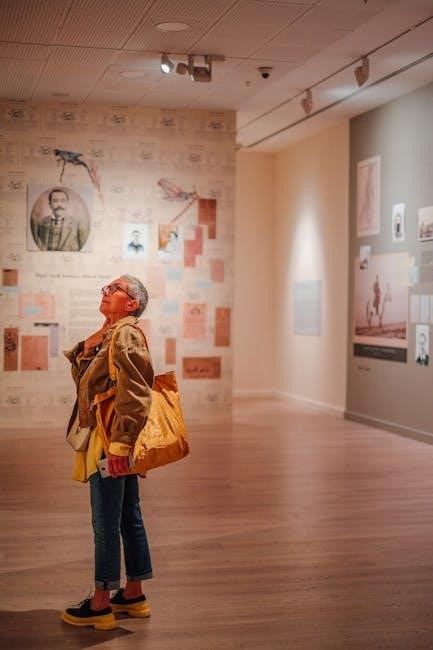
The Rise of Audio Guides in Museums
Audio guides have become a cornerstone of the modern museum experience, evolving from bulky devices to sophisticated digital solutions. Initially offering a convenient alternative to live docents, they now provide a level of depth and personalization previously unattainable. The shift reflects a growing demand for visitor autonomy and a desire for more engaging, multi-sensory learning.
Museums like the Vasa Museum demonstrate this commitment, offering audio guides in a remarkable fifteen languages, catering to a global audience. This accessibility, coupled with the integration of artist and curator perspectives – like Tracey Emin and Fredrik Høyer – elevates the tour beyond simple factual recitation. The technology’s evolution continues, with AI-powered enhancements promising even more tailored experiences in the near future.
History of Museum Audio Guides
The genesis of museum audio guides can be traced back to the late 1950s, though their widespread adoption occurred later. Early iterations were rudimentary, often utilizing pre-recorded tapes and clunky playback devices. A pivotal moment arrived in 1974 with the introduction of a handheld audio guide at the Stedelijk Museum in Amsterdam, marking a significant step towards self-paced exploration.
The 1980s witnessed further refinement, with the emergence of more portable and user-friendly systems. Nintendo’s partnership with the Louvre in 2011, providing Nintendo 3DS systems loaded with exclusive audio content, showcased a creative application of existing technology. Today, the focus has shifted towards smartphone-based solutions and QR code accessibility, driven by cost-effectiveness and broader reach, continually reshaping how visitors engage with art and history.
Early Audio Guide Technology
Initial museum audio guide technology was remarkably basic. Predating digital convenience, systems relied heavily on physical media – primarily reel-to-reel and cassette tapes. Visitors were issued bulky devices with headphones, requiring manual advancement to each track corresponding to a specific exhibit. These early players were prone to malfunctions and offered limited storage capacity, restricting the depth of information provided.
The experience was far from seamless; battery life was short, and the audio quality often suffered. Despite these limitations, these pioneering systems represented a crucial first step towards empowering visitors with independent access to curatorial insights. They laid the groundwork for the sophisticated, digitally-driven audio guides prevalent in museums today, demonstrating a clear desire for enhanced visitor engagement.
Digital Audio Players (DAPs) and Museum Tours
The advent of Digital Audio Players (DAPs), like MP3 players, revolutionized museum audio guides. Replacing cumbersome cassette tapes, DAPs offered significantly improved audio quality, increased storage for extensive content, and greater reliability. These devices allowed museums to deliver richer, more detailed narratives about their collections, enhancing the visitor experience considerably.
DAPs also introduced features like pause, rewind, and track selection, granting visitors greater control over their tour. While still requiring dedicated hardware rental, DAPs were more user-friendly and durable than their predecessors. This transition marked a substantial leap forward, paving the way for the eventual integration of audio guides into the smartphones visitors already carried, further democratizing access to museum knowledge.
Smartphone-Based Audio Guides

The proliferation of smartphones dramatically altered the landscape of self-guided museum tours. Museums quickly recognized the potential of leveraging visitors’ personal devices, eliminating the need for dedicated hardware rental and reducing operational costs. Mobile apps became the primary delivery method, offering features beyond simple audio playback, such as interactive maps, image galleries, and supplemental information.
Smartphone-based guides also enabled personalized experiences, tracking visitor progress and offering tailored content recommendations. QR codes, easily scannable with smartphone cameras, became a popular method for initiating tours and accessing specific exhibit information. This shift increased accessibility and convenience, encouraging wider adoption of self-guided tours and fostering deeper engagement with museum collections.

Types of Self-Guided Tour Technologies
Audio, QR codes, mobile apps, and VR represent diverse technologies powering self-guided museum experiences, enhancing accessibility and visitor engagement significantly today.

Audio-Based Tours: The Core Experience
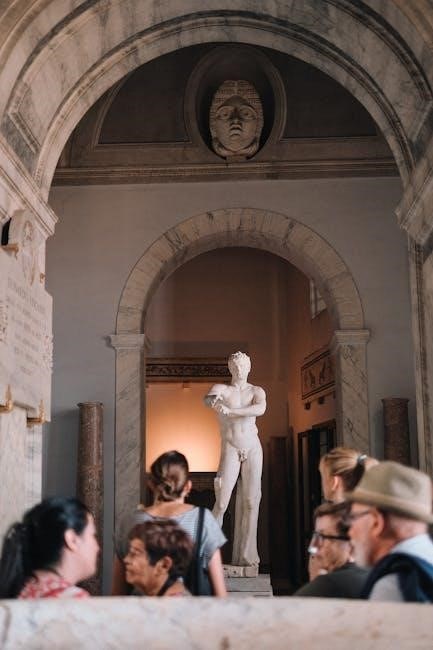
Audio-based tours remain the foundational element of self-guided museum experiences, offering a direct connection to artwork and historical context. Initially utilizing physical audio players, these tours have evolved dramatically. Today, visitors can access commentary via their smartphones, downloading dedicated museum apps or utilizing QR codes to stream content.
The core strength lies in curator-led narratives and artist perspectives, bringing exhibits to life with insightful details. Museums like the Vasa offer multilingual audio guides, catering to a diverse international audience; This accessibility is crucial, ensuring a richer experience for all. The simplicity and widespread availability of smartphone technology have solidified audio tours as a cornerstone of modern museum exploration, providing flexibility and personalization.
QR Code Audio Guides: Accessibility and Cost-Effectiveness
QR code audio guides represent a significant advancement in self-guided tour technology, prioritizing accessibility and affordability. Unlike app-based solutions, QR codes require no download, eliminating a barrier for visitors hesitant to use mobile data or lacking sufficient storage. Scanning a QR code instantly streams audio content directly to the user’s smartphone.
This approach dramatically reduces costs for museums, bypassing app development and maintenance expenses. Higher adoption rates are observed due to the ease of use. Digital QR Audio Guides offer a monetizable solution, allowing museums to generate revenue per tour. This method proves particularly effective for smaller institutions or temporary exhibitions, offering a streamlined and budget-friendly alternative to traditional systems.
Mobile App-Based Museum Tours
Mobile app-based museum tours deliver a rich, interactive experience directly to visitors’ smartphones. These apps often go beyond simple audio commentary, incorporating features like interactive maps, high-resolution images, and augmented reality elements. Museums can offer personalized tour routes based on visitor interests and time constraints, enhancing engagement and learning.
Apps facilitate multilingual support, catering to a diverse audience. Data analytics provide valuable insights into visitor behavior, allowing museums to refine content and improve the tour experience. While requiring initial development investment, apps offer long-term benefits, including branding opportunities and direct communication channels with visitors. Downloadable audio guides, like those offered by the National Museum, exemplify this trend.
Virtual Reality (VR) Museum Tours
Virtual Reality (VR) museum tours represent the cutting edge of self-guided experiences, offering immersive explorations beyond physical limitations. VR allows visitors to “step inside” historical settings, examine artifacts in detail, and even witness events as they unfolded, creating a profoundly engaging and memorable encounter. This technology transcends geographical barriers, making museum collections accessible to a global audience.
While currently requiring specialized equipment (VR headsets), the cost is decreasing, and accessibility is improving. VR tours can recreate lost environments or provide unique perspectives on existing exhibits. They are particularly valuable for fragile artifacts or sites that are difficult to access physically. Museums are actively exploring VR to enhance storytelling and deepen visitor understanding, unlocking secrets worldwide.

Content Creation for Self-Guided Tours
Curators, artists, and historians collaborate to craft compelling narratives, offering diverse perspectives and enriching the visitor experience through insightful audio commentary.
Curator-Led Audio Commentary
Curator-led audio commentary forms the bedrock of many successful self-guided tours, providing authoritative insights into the exhibits. These commentaries aren’t simply descriptive; they delve into the historical context, artistic techniques, and often, the untold stories behind the artifacts or artworks. Museums are increasingly recognizing the value of having curators directly address visitors, fostering a deeper connection with the collection.
The benefit lies in the curator’s specialized knowledge and ability to articulate complex ideas in an accessible manner. This approach elevates the tour beyond a basic overview, transforming it into an educational and engaging experience. Furthermore, curator voices lend authenticity and credibility, enhancing the overall perception of the museum and its offerings; Careful scripting and professional narration are crucial for delivering a polished and impactful commentary.
Artist Perspectives in Audio Guides
Integrating artist perspectives into self-guided audio tours adds a uniquely compelling dimension to the visitor experience. Hearing directly from the creators – whether through recorded interviews, excerpts from writings, or dramatized readings – offers invaluable insight into their intentions, processes, and the meaning behind their work. This approach moves beyond scholarly analysis, providing a personal and emotional connection to the art.
Museums are increasingly seeking out opportunities to include these voices, recognizing their power to resonate with audiences. Featuring artists like Tracey Emin directly within the audio guide fosters a more intimate and engaging encounter. It allows visitors to understand the artwork not just as a finished product, but as a reflection of the artist’s vision and lived experience, enriching the overall interpretation.
Incorporating Multiple Languages
Multilingual audio guides are crucial for inclusivity and broadening a museum’s reach to a diverse international audience. Offering tours in numerous languages – such as English, Swedish, Ukrainian, Korean, Hindi, Arabic, Polish, Spanish, Chinese, Japanese, Italian, and German – ensures accessibility for visitors from all over the world. This commitment to linguistic diversity demonstrates a welcoming and respectful approach to cultural exchange.
The Vasa Museum exemplifies this practice, providing a wide array of language options. Beyond simply translating scripts, museums must consider cultural nuances and ensure accurate, sensitive interpretations. This investment enhances the visitor experience, allowing individuals to fully engage with the exhibits in their native tongue, fostering a deeper appreciation for the art and history presented.
Accessibility Features in Audio Guides
Audio guides must prioritize accessibility for all visitors, including those with disabilities. This extends beyond multilingual support to encompass features catering to diverse needs. Clear audio quality, adjustable playback speeds, and transcripts are essential for individuals with hearing impairments. Descriptive audio, detailing visual elements, benefits visually impaired guests, allowing them to fully experience the artwork.
Furthermore, intuitive navigation and simplified interfaces are vital for users with cognitive differences. Consideration should be given to providing alternative input methods and customizable display options. Museums are increasingly recognizing the importance of inclusive design, ensuring that self-guided tours are genuinely accessible to everyone, fostering a welcoming and enriching experience for all patrons regardless of their abilities.
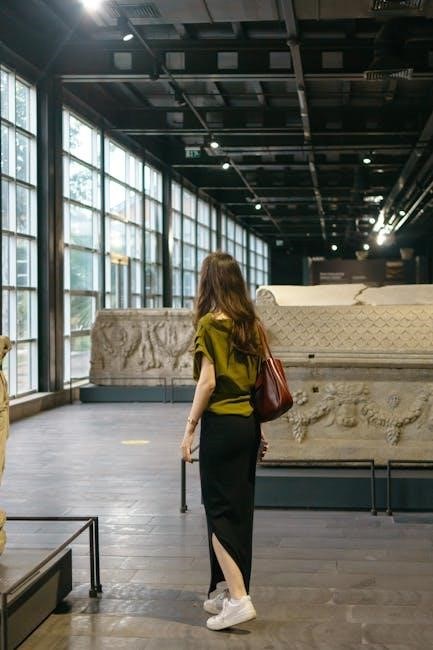
Benefits of Self-Guided Tours
Self-guided tours offer flexibility, personalization, and cost savings for both museums and visitors, boosting engagement with immersive cultural experiences today.
Flexibility and Personalization
Self-guided tours fundamentally empower visitors with unparalleled flexibility. Unlike traditional, rigidly scheduled group tours, individuals can explore exhibits at their own pace, lingering longer at pieces that capture their interest and swiftly moving past those that don’t. This autonomy caters to diverse learning styles and attention spans, enhancing the overall experience.
Personalization is another key benefit. Modern audio guides and mobile apps often allow visitors to select specific themes or focus on particular artists, tailoring the tour to their individual preferences. The ability to replay commentary, skip sections, or access supplementary information further contributes to a customized journey through the museum’s collection. This level of control fosters a deeper connection with the art and history on display, making the visit more meaningful and memorable.
Cost Savings for Museums and Visitors
Self-guided tour technologies present significant cost savings for both museums and their visitors. Museums reduce expenses associated with employing and training dedicated tour guides, minimizing labor costs and allowing resources to be allocated to conservation, acquisitions, and exhibit development. The initial investment in audio guide systems or mobile app development is often offset by long-term operational efficiencies.
For visitors, self-guided tours frequently represent a more affordable option than traditional guided tours. QR code-based systems, in particular, offer a low-cost entry point, eliminating the need for dedicated hardware. Free audio guides, like those offered by the Vasa Museum, further reduce visitor expenses, making cultural experiences accessible to a wider audience. This affordability encourages greater museum attendance and engagement.
Increased Visitor Engagement
Self-guided tours demonstrably increase visitor engagement by fostering a more personalized and interactive experience. Unlike traditional tours with fixed routes and pacing, visitors can explore exhibits at their own speed, focusing on areas of particular interest. Audio commentary from curators and even artists, like Tracey Emin, adds depth and context, transforming passive observation into active learning.
The integration of mobile apps and VR further enhances engagement, offering multimedia content and immersive experiences. QR codes provide instant access to information, encouraging exploration and discovery. This flexibility caters to diverse learning styles and preferences, resulting in a more meaningful and memorable museum visit. Ultimately, empowered visitors are more likely to connect with the art and culture on display.
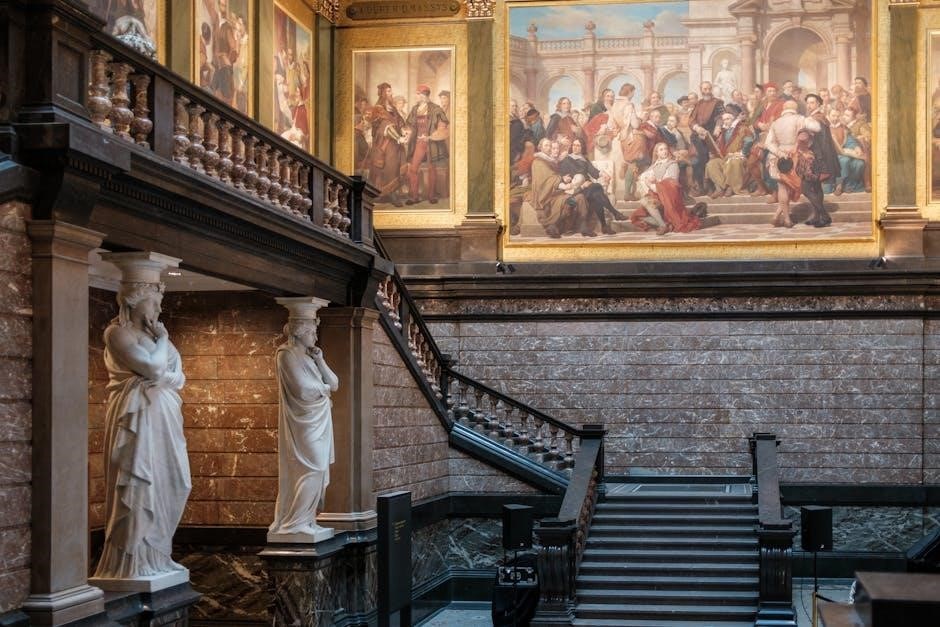
Challenges and Considerations
Maintaining equipment, ensuring content accuracy, and providing accessibility for all visitors remain crucial challenges for successful self-guided tour implementation in museums.
Maintaining Audio Guide Equipment
Ensuring the consistent functionality of audio guide devices presents a significant logistical hurdle for museums. Traditional audio players, while robust, require regular battery replacements, sanitation, and repair due to frequent handling by diverse visitors. Smartphone-based solutions shift some maintenance burden to the user, but necessitate reliable Wi-Fi coverage throughout the museum and troubleshooting assistance for technical issues.
Furthermore, headphone hygiene is paramount; disposable earpieces add to operational costs and environmental concerns, while reusable options demand rigorous cleaning protocols. Museums must allocate resources for dedicated staff or outsourced services to manage equipment inventory, perform routine checks, and address malfunctions promptly, minimizing disruptions to the visitor experience. Proactive maintenance schedules and readily available replacement units are essential for seamless operation.
Content Updates and Accuracy
Maintaining the relevance and factual correctness of self-guided tour content is a continuous process. New discoveries, evolving interpretations, and temporary exhibitions necessitate regular updates to audio commentary and accompanying materials. Outdated information can diminish visitor trust and detract from the educational value of the experience. Curator-led reviews are crucial, ensuring alignment with current scholarship and museum narratives.
Moreover, content must be vetted for accessibility and inclusivity, reflecting diverse perspectives and avoiding biased language. Translation accuracy is also paramount for multilingual tours. Museums should establish a clear workflow for content revisions, incorporating feedback from staff, visitors, and external experts. A robust content management system facilitates efficient updates and version control, guaranteeing a consistently accurate and engaging tour experience.
Ensuring Accessibility for All Visitors
Self-guided tours must be inclusive, catering to diverse needs. Accessibility features are paramount, including transcripts for audio content, adjustable playback speeds, and volume control. Visual aids, such as maps and image descriptions, benefit visitors with visual impairments. Multi-language support expands reach, while clear audio quality minimizes listening fatigue.
Furthermore, consider compatibility with assistive technologies like screen readers and hearing loops. Intuitive navigation is vital for users with cognitive disabilities. Museums should actively solicit feedback from disability advocacy groups to identify areas for improvement. Providing alternative formats, like large-print guides, demonstrates commitment to inclusivity. Ultimately, accessible self-guided tours enhance the museum experience for all visitors, fostering a welcoming and equitable environment.
Future Trends in Self-Guided Museum Tours
AI personalization, AR integration, and gamification are poised to revolutionize museum tours, creating immersive, interactive experiences for visitors globally now.
AI-Powered Personalized Tours
Artificial intelligence is set to dramatically reshape self-guided museum experiences. Imagine a tour that adapts in real-time to your interests, pace, and even emotional responses! AI algorithms can analyze visitor data – previous exhibits viewed, time spent at each artwork, and demographic information – to curate a truly bespoke journey.
This goes beyond simply offering different language options. AI can select commentary focusing on aspects of an artwork that align with a visitor’s known preferences, perhaps highlighting artistic techniques for a seasoned art enthusiast or historical context for a history buff. Furthermore, AI can dynamically adjust the tour’s complexity and depth, ensuring engagement for all levels of knowledge.
Future systems might even utilize facial recognition to gauge emotional responses to artworks, tailoring subsequent commentary to enhance understanding and appreciation. The potential for truly individualized and enriching museum visits is immense, promising a future where every visitor feels a personal connection to the art and history around them.
Integration with Augmented Reality (AR)
Augmented Reality (AR) promises to layer digital information onto the physical museum environment, transforming self-guided tours into immersive adventures. Imagine pointing your smartphone at a painting and seeing it come to life, with characters moving and narratives unfolding before your eyes! AR can reveal hidden details, reconstruct lost elements of artworks, or even transport visitors back in time to witness the artwork’s creation.
This technology moves beyond static audio commentary, offering a multi-sensory experience. Visitors could virtually “step inside” a historical scene depicted in a painting, or examine a sculpture from every angle, even viewing its internal structure. AR applications can also provide interactive games and challenges, further enhancing engagement, particularly for younger audiences.
The integration of AR with self-guided tours has the potential to unlock new levels of understanding and appreciation, making museum visits more dynamic, memorable, and accessible than ever before.
Gamification of Museum Experiences
Gamification is rapidly emerging as a powerful tool to boost visitor engagement in self-guided museum tours; By incorporating game-like elements – such as points, badges, leaderboards, and challenges – museums can transform passive observation into active participation. Imagine a scavenger hunt through the galleries, where visitors unlock information about artworks by solving puzzles or answering trivia questions.
These interactive elements encourage exploration and deeper engagement with the collection. Gamified tours can cater to different learning styles and age groups, making the museum experience more enjoyable and rewarding. Competition, collaboration, and a sense of accomplishment motivate visitors to spend more time learning and discovering.
Successfully implemented gamification can significantly enhance the educational value of a museum visit, fostering a lasting connection between visitors and the art or history on display.