kelvinator air conditioner user manual

Kelvinator Air Conditioner User Manual: An Overview

Kelvinator provides cooling and heating solutions, ranging from central systems to window units, with models utilizing R-22 and offering 2․5 to 5-star efficiency․
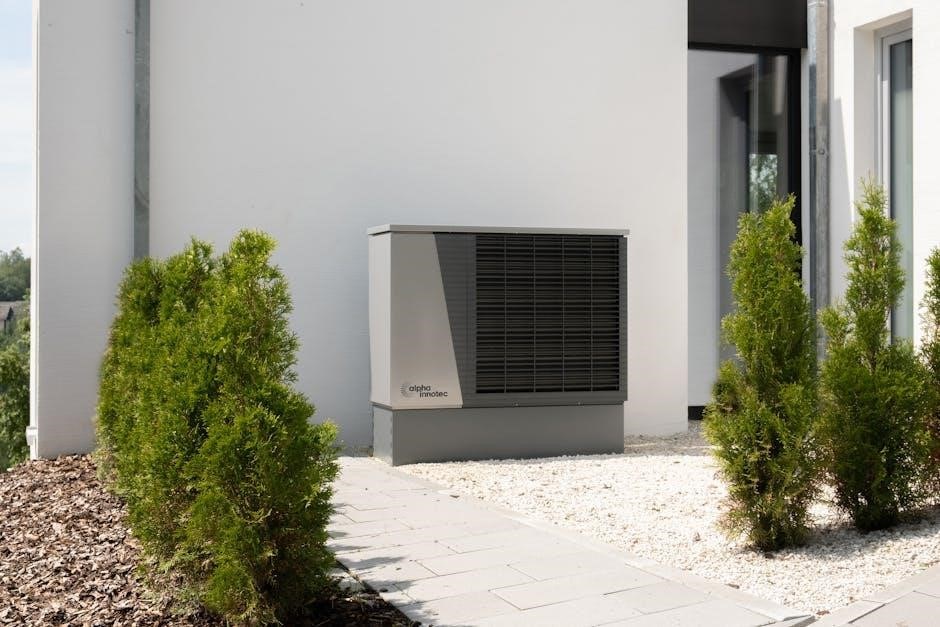
Kelvinator has a rich history, dating back to 1926, initially focusing on scientific applications requiring precise temperature control, even down to -130 degrees․ This legacy of temperature management evolved into a comprehensive range of air conditioning solutions for both residential and commercial use․ Today, Kelvinator offers diverse systems, including central air, split systems, and convenient window/wall units․

These systems cater to various cooling needs, with capacities like the 4-Ton 13-Seer model available at Lowes․com, designed for R-22 applications․ Kelvinator air conditioners are recognized for their energy efficiency, boasting ratings from 2․5 to 5 stars, and feature options like rotary compressors and 12-hour mechanical timers for enhanced user control and convenience․

Understanding Kelvinator Models

Kelvinator offers a spectrum of air conditioning models to suit diverse needs․ Their range includes central air conditioners, often requiring field installation of a filter drier when replacing outdoor condensers for R-22 applications․ Split systems, like the 2․5kW reverse cycle inverter (KSV25HWH) and 7․1kW cooling-only (KSV71CRH) models, provide targeted cooling․

For smaller spaces, Kelvinator’s window/wall units, such as the 1․5 HP model with a 12-hour timer, offer a convenient solution․ These units feature 4-way air flow and auto-swing louvers․ Cooling capacities vary, with some models offering 12660 Kj/Hr; Understanding these distinctions helps users select the optimal Kelvinator system for their specific requirements and space․

Installation and Setup

Kelvinator systems require professional installation, especially central air units needing R-22 refrigerant and filter driers, alongside proper evaporator coil matching for efficiency․

Central Air Conditioner Installation (R-22 Applications)

Important Considerations: Installing a Kelvinator central air conditioner designed for R-22 refrigerant requires a qualified HVAC technician due to handling regulations and system complexities․ These units are shipped dry, meaning refrigerant must be added on-site by a certified professional․

Essential Components: Remember that the outdoor condenser unit does not include the evaporator coil or the connecting line set; these are separate purchases․ A filter drier is also a mandatory field installation, and is not supplied with the condenser․

Efficiency & Warranty: Achieving the advertised 13 SEER efficiency rating depends on correctly matching the outdoor unit with a compatible evaporator coil․ Residential applications benefit from a 5-year limited parts warranty, contingent upon online registration within 60 days of purchase․

Split System Air Conditioner Installation

Model Variety: Kelvinator offers a range of split-system air conditioners, including 2․5kW inverter models (KSV25HWH) for smaller spaces, 7․1kW cooling-only units (KSV71CRH), and larger 9kW systems (KSD90HWJ) for broader coverage․ Professional installation is highly recommended for optimal performance and safety․

System Components: Split systems consist of an indoor unit and an outdoor condenser, connected by refrigerant lines and electrical wiring․ Proper sizing of both components is crucial for efficiency and comfort․ Ensure correct refrigerant charge according to the unit’s specifications․

Considerations: Installation requires careful consideration of indoor and outdoor unit placement, electrical connections, and condensate drainage․ Always adhere to local building codes and regulations during the installation process․

Window/Wall Air Conditioner Installation

Unit Selection: Kelvinator’s window-wall air conditioner series provides year-round comfort․ The 1․5 HP model (WKELH014EC) features a 12-hour mechanical timer, 4-way air flow, and automatic swing louvers, offering convenient operation․ Ensure the unit’s cooling capacity (12660 Kj/Hr) suits the room size․

Installation Process: Proper installation is vital for efficiency and safety․ Securely mount the unit in a suitable window or wall opening, ensuring a weather-tight seal to prevent air leakage and water intrusion․ Follow the provided installation instructions carefully;

Electrical Requirements: Verify the unit’s electrical requirements and connect it to a dedicated circuit with appropriate voltage and amperage․ Improper electrical connections can pose a safety hazard․

Operation and Features

Kelvinator air conditioners offer basic cooling and heating modes, alongside a convenient 12-hour mechanical timer for automated operation and scheduled temperature control․

Basic Operation of Kelvinator Air Conditioners

Kelvinator air conditioners are designed for user-friendly operation, providing comfortable climate control with minimal effort․ Upon powering on, select your desired mode – cooling, heating, or fan-only – using the control panel or remote․ Adjust the temperature to your preference; the unit will automatically regulate to maintain the set point․

For models with adjustable fan speeds, choose from low, medium, or high to customize airflow․ The 4-way air flow direction, found in some window units, ensures even distribution throughout the room․ Remember that R-22 applications require proper refrigerant levels for optimal performance, and newer models may utilize different refrigerants․ Always consult the specific model’s instructions for detailed guidance on basic operation and feature utilization․

Cooling and Heating Modes

Kelvinator air conditioners offer versatile cooling and heating modes to suit various climates and preferences․ In cooling mode, the unit extracts heat from the room, providing a refreshing indoor environment․ Select a lower temperature on the control panel to increase cooling intensity․ Conversely, heating mode utilizes the system to generate warmth, ideal for colder seasons․

Reverse cycle split systems, like the KSV25HWH, provide both cooling and heating functionality․ Some models, such as the KSV71CRH, are cooling-only․ Ensure the correct mode is selected for your desired outcome․ Proper operation relies on adequate refrigerant levels, especially in R-22 systems․ Regularly check and maintain your unit for optimal performance in both cooling and heating modes, maximizing energy efficiency and comfort․

Timer Functionality (12-Hour Mechanical Timer)

Kelvinator window-type air conditioners, like the WKELH014EC model, often feature a 12-hour mechanical timer for convenient operation․ This allows you to pre-set the unit to automatically turn on or off after a specified duration, up to 12 hours․ To utilize the timer, rotate the timer dial to the desired shut-off time․ The unit will then run continuously until reaching that set point, after which it will automatically power down․

This feature is beneficial for energy saving and ensuring comfortable temperatures during sleep or when away from home․ Remember the timer operates on a 12-hour cycle, so plan accordingly․ Regularly check the timer’s accuracy and ensure it’s functioning correctly for optimal scheduling and convenience․

Maintenance and Troubleshooting

Regular filter cleaning, coil maintenance, and addressing common issues are crucial for optimal performance and longevity of your Kelvinator air conditioning system․

Filter Cleaning and Replacement

Maintaining a clean air filter is paramount for efficient operation and air quality․ Kelvinator air conditioners require regular filter checks, ideally monthly, especially during peak usage seasons․ A dirty filter restricts airflow, reducing cooling capacity and potentially causing the unit to work harder, leading to increased energy consumption and possible component failure․
For washable filters, gently vacuum or rinse with water, ensuring it’s completely dry before reinstalling․ Disposable filters should be replaced with the correct size and type as specified in your model’s documentation․ Proper filter maintenance extends the lifespan of your Kelvinator unit and ensures consistent, comfortable cooling․ Neglecting this simple task can void warranty coverage related to compressor issues․

Coil Cleaning

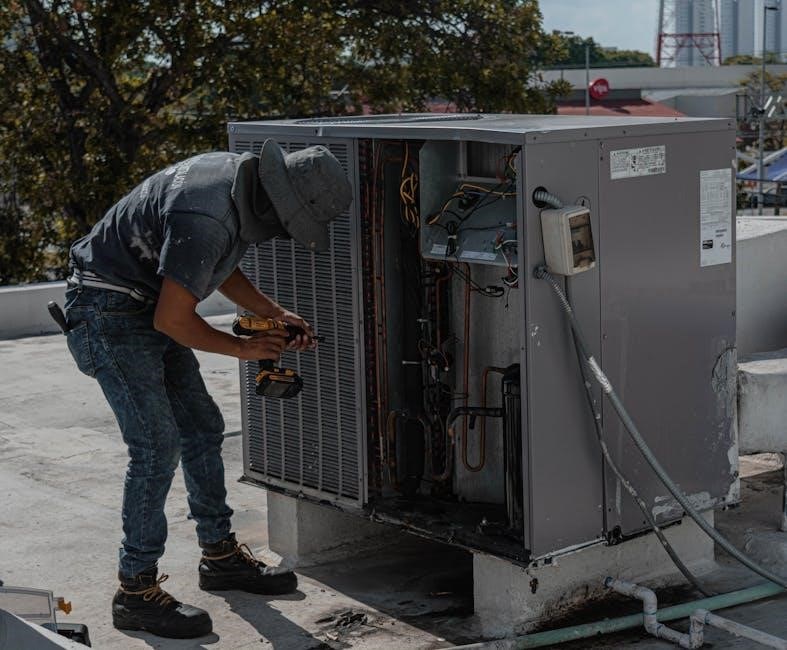
Maintaining clean condenser and evaporator coils is crucial for optimal performance of your Kelvinator air conditioner․ Over time, dust and debris accumulate, hindering heat transfer and reducing cooling efficiency․ Before cleaning, always disconnect power to the unit at the breaker box for safety․

Use a soft brush attachment on a vacuum cleaner to gently remove loose dirt from the coils․ For stubborn grime, a commercially available coil cleaner can be applied, following the manufacturer’s instructions carefully․ Rinse thoroughly with water, avoiding high pressure that could damage the delicate fins․ Regularly cleaning the coils—at least annually—ensures efficient operation, lowers energy bills, and prolongs the life of your Kelvinator system․

Troubleshooting Common Issues

If your Kelvinator air conditioner isn’t cooling effectively, first check the air filter – a clogged filter restricts airflow․ Ensure the thermostat is set correctly and the unit has power․ For split systems, verify outdoor unit isn’t blocked by debris․

If the unit freezes, it may indicate low refrigerant or restricted airflow; contact a qualified technician․ Unusual noises could signal a compressor issue or loose components․ Remember, Kelvinator offers a 5-year limited parts warranty and a 5-year compressor warranty upon registration․ For persistent problems, consult a professional HVAC technician rather than attempting complex repairs yourself, to avoid voiding the warranty․

Warranty Information

Kelvinator air conditioners come with a 5-year limited parts warranty for residential use, requiring online registration within 60 days, plus a 5-year compressor warranty․

Residential Warranty (5 Years Limited Parts)

Kelvinator extends a five-year limited parts warranty to original residential purchasers of its air conditioning systems, providing coverage against defects in materials and workmanship․ This warranty safeguards components like fans, motors, and control systems, ensuring reliable operation during the warranty period․

However, to activate this valuable protection, mandatory online registration is required within sixty (60) days of the original purchase date․ Failure to register promptly may invalidate the warranty coverage․ This warranty doesn’t cover issues arising from improper installation, misuse, or lack of regular maintenance․ It also excludes costs associated with labor, shipping, or diagnostic fees; Keep your proof of purchase safe!

Compressor Warranty (5 Years)

Kelvinator air conditioning units are backed by a dedicated five-year warranty specifically covering the compressor, the heart of the cooling system․ This crucial component is protected against manufacturing defects and premature failure, offering peace of mind to homeowners․ The compressor warranty demonstrates Kelvinator’s confidence in the durability and reliability of its products․

Similar to the limited parts warranty, proper registration is essential to validate compressor coverage․ Online registration must be completed within sixty days of the original purchase․ This warranty doesn’t cover compressor failures resulting from improper installation, refrigerant leaks, electrical issues, or lack of routine maintenance․ Maintaining proper airflow and regular filter changes are vital for compressor longevity․

Warranty Registration

Kelvinator emphasizes the importance of timely warranty registration to fully activate coverage for your new air conditioning system․ Specifically, the five-year limited parts warranty for residential applications requires online registration within sixty days of the original purchase date․ Failure to register promptly may invalidate your warranty benefits, leaving you responsible for potential repair costs․

Registration is a straightforward process, typically completed through the official Kelvinator website․ You will likely need your model number, serial number, and proof of purchase readily available․ Keeping a record of your registration confirmation is highly recommended․ This proactive step ensures seamless access to warranty service should any covered issues arise during the warranty period, protecting your investment․

Technical Specifications

Kelvinator air conditioners offer cooling capacities like 12660 Kj/Hr, utilizing rotary compressors and capillary tube metering, with energy ratings from 2․5 to 5 stars․

Cooling Capacity (e․g․, 12660 Kj/Hr)

Kelvinator air conditioner cooling capacity varies significantly depending on the model and application․ Window units, such as the WKELH014EC, demonstrate a cooling capacity of 12660 Kj/Hr, suitable for smaller spaces․ Larger split systems offer higher capacities, with options like the 7․1kW and 9kW models providing substantial cooling power for larger rooms or entire homes․

Central air conditioning units, often 4-ton systems, are designed for whole-house cooling, though specific Kj/Hr values depend on the SEER rating and installation․ Understanding the cooling capacity, measured in British Thermal Units (BTUs) or Kilojoules per hour (Kj/Hr), is crucial for selecting the appropriate unit to effectively cool a given area, ensuring optimal comfort and energy efficiency․

Energy Efficiency Ratings (2․5 ― 5 Stars)

Kelvinator air conditioners exhibit a range of energy efficiency ratings, from 2․5 to 5 stars, influencing both operating costs and environmental impact․ Higher star ratings indicate greater energy efficiency, meaning the unit consumes less electricity to deliver the same cooling output․ The 13 SEER efficiency rating found in some central air models requires proper matching with an evaporator coil for optimal performance․

Consumers should consider these ratings when selecting a unit, balancing upfront cost with long-term energy savings․ Factors like insulation, climate, and usage patterns also affect overall energy consumption․ Choosing an energy-efficient Kelvinator model contributes to reduced electricity bills and a smaller carbon footprint․


penalty for driving manual on auto license qld

In Queensland, driving licenses are categorized into automatic and manual, with specific restrictions. Holding a C (A) license restricts drivers to automatic vehicles only. Driving a manual vehicle with an automatic license is illegal, leading to fines, demerit points, and potential license suspension. Understanding these rules is crucial for road safety and legal compliance.

Overview of Automatic and Manual Licenses

In Queensland, driving licenses are categorized into automatic (C(A)) and manual (C) classes. An automatic license restricts drivers to vehicles with automatic transmissions, while a manual license allows operation of both manual and automatic vehicles. To drive a manual vehicle legally, one must hold a manual license, which requires passing a practical driving test in a manual car. Learner drivers who pass their test in an automatic vehicle are issued a C(A) license and must upgrade to a manual license to drive manual vehicles. This distinction ensures road safety and compliance with licensing regulations.

Legal Implications of Driving a Manual Vehicle on an Automatic License

Driving a manual vehicle with an automatic license in Queensland is illegal, leading to penalties including fines, demerit points, and potential license suspension.

Legal Restrictions on Automatic-Only Licenses (C (A))

Holders of a C (A) licence in Queensland are legally restricted to driving vehicles with automatic transmissions only; This restriction is clearly stated on the licence and is enforceable under Queensland’s road laws. Driving a manual vehicle with a C (A) licence constitutes a breach of licence conditions, which is considered a serious offence. The restriction ensures road safety and compliance with legal standards. It is important for drivers to understand and adhere to these conditions to avoid legal consequences. The Queensland Transport Operations (Road Use Management) Act 1995 and the Driver Licensing Regulation 2022 govern these restrictions, emphasizing the importance of obeying licence conditions while driving.

Penalties for Driving a Manual Vehicle with an Automatic License

Driving a manual vehicle with an automatic license in Queensland results in significant penalties. Offenders face a fine of up to 20 penalty units and the accumulation of demerit points. If convicted, drivers may face license suspension or disqualification. Repeat offences can lead to harsher penalties, including potential imprisonment. These penalties are enforced to ensure compliance with license conditions and maintain road safety. The Queensland Transport Operations Act and related regulations outline these consequences, emphasizing the importance of adhering to license restrictions to avoid legal repercussions and protect public safety on the roads.

Understanding the Penalties

Penalties for driving a manual vehicle on an automatic license in Queensland include fines, demerit points, and potential license suspension. These enforcement measures ensure compliance with license conditions and promote road safety.

Fines and Demerit Points

Driving a manual vehicle with an automatic license in Queensland results in a fine of up to 20 penalty units, equivalent to $2,611. Offenders also receive 1 demerit point. These penalties aim to enforce compliance with license conditions, ensuring road safety. Repeat offenses can lead to license suspension, further escalating consequences. The financial and legal repercussions emphasize the importance of adhering to license restrictions, highlighting the need for drivers to upgrade their licenses if they wish to operate manual vehicles legally.

License Suspension and Disqualification

Driving a manual vehicle with an automatic license in Queensland can result in license suspension or disqualification. If convicted, the court may suspend your license for 1 to 6 months. Additionally, disqualification from holding any license is mandatory during this period. Repeat offenses or driving while suspended can lead to harsher penalties, including fines and potential imprisonment. This enforcement underscores the seriousness of violating license conditions and the importance of adhering to road safety regulations. License suspension and disqualification serve as strong deterrents against non-compliance with licensing laws.

Consequences of Unlicensed Driving

Driving a manual vehicle with an automatic license in Queensland is treated as unlicensed driving, carrying severe penalties. Offenders face fines of up to 20 penalty units ($2,611) and mandatory disqualification from driving for 1 to 6 months. Repeat offenses can result in imprisonment for up to 1 year. This applies even if you hold a valid license but violate its conditions. Unlicensed driving undermines road safety and legal standards, leading to harsh consequences. Authorities enforce these penalties strictly to ensure compliance with licensing laws and maintain public safety on Queensland’s roads.

How Queensland Authorities Enforce These Rules

Queensland authorities enforce licensing rules through regular police patrols and license checks. Drivers found operating manual vehicles with an automatic license face fines and demerit points, ensuring compliance.

Police Patrols and License Checks

Queensland police regularly conduct patrols and license checks to enforce driving regulations. Officers may request drivers to present their licenses, especially if operating a manual vehicle. Those found driving a manual vehicle with an automatic license face penalties, including a $113 fine and 1 demerit point. Repeat offenses can lead to license suspension. Police use random stops and roadside checks to monitor compliance, ensuring adherence to license conditions. This strict enforcement aims to maintain road safety and legal standards, discouraging unauthorized driving practices. Drivers must always carry their license and be prepared for inspections to avoid legal consequences.

Consequences of Getting Caught Driving a Manual Vehicle

Driving a manual vehicle with an automatic license in Queensland results in significant penalties. Offenders face a fine of up to $113 and incur 1 demerit point. Repeat offenses can lead to license suspension, further increasing the severity of consequences. If caught, drivers may also face legal disqualification from driving until the matter is resolved in court. In severe cases, unlicensed driving charges can apply, potentially leading to imprisonment for up to 1 year. Police patrols and roadside checks are common, making it critical for drivers to adhere to license conditions. The legal process can be daunting, emphasizing the importance of addressing the issue promptly to avoid harsher outcomes.

What to Do If You Are Caught

If caught driving a manual vehicle on an automatic license, remain calm, provide your license, and contact a lawyer. Understanding your rights and options is crucial.

Steps to Take After Being Pulled Over

If you are pulled over for driving a manual vehicle with an automatic license, remain calm and cooperative. Provide your license and insurance when requested. Avoid arguing with the officer, as this could escalate the situation. If issued a fine, carefully review the details and consider seeking legal advice. Understanding your options, such as contesting the penalty or paying the fine, is essential. Additionally, consider upgrading your license to include manual transmission to avoid future penalties. Compliance with the officer’s instructions and awareness of your legal rights will help navigate the situation effectively.

Legal Process and Potential Outcomes

If caught driving a manual vehicle with an automatic license, you may face legal consequences. The process typically involves being issued a fine and demerit points. In severe cases, court appearances may be required, especially if unlicensed driving is involved. Penalties include fines of up to 20 penalty units ($2,611) and potential license suspension or disqualification. Repeat offenses can lead to harsher outcomes, such as longer disqualifications or even imprisonment. Understanding the legal process and potential outcomes emphasizes the importance of adhering to license conditions to avoid severe penalties and maintain road safety.

How to Avoid Penalties

To avoid penalties, drivers must adhere to their license conditions. Upgrading to a manual license and practicing with a supervisor and L plates ensures compliance and safety.

Upgrading Your License to Include Manual Transmission

Upgrading your license to include manual transmission is essential to avoid penalties. In Queensland, drivers with an automatic license must pass a practical driving test in a manual vehicle to upgrade. This involves demonstrating proficiency in using clutch and gearshift. Once the test is passed, the license is updated, allowing legal operation of both automatic and manual vehicles. This step ensures compliance with road rules and prevents fines or license suspension. It’s a straightforward process that enhances driving skills and flexibility. Drivers are encouraged to practice with a licensed supervisor before taking the test to ensure readiness and confidence behind the wheel.

Practicing with a Supervisor and L Plates

Practicing to drive a manual vehicle requires adherence to specific rules. In Queensland, learners must display L plates and be accompanied by a licensed supervisor who has held an open license for at least one year. This ensures safety and compliance with legal requirements. Learners are restricted to driving at 90 km/h and must not drive without proper supervision. Practicing under these conditions helps build skills and familiarity with manual transmissions. It also avoids penalties associated with unlicensed or improper driving. Supervised practice is a critical step before taking the practical test to upgrade to a manual license, ensuring drivers are prepared and confident behind the wheel.

Special Cases and Exceptions

Special cases include probationary drivers restricted to automatic vehicles and international license holders who may face unique conditions when converting to a Queensland license;

Driving During Probationary Periods

During probationary periods, drivers in Queensland face strict restrictions. If a probationary license was obtained using an automatic vehicle, the licensee is only permitted to drive automatics. Operating a manual vehicle during this period is prohibited and constitutes a serious offence. Probationary drivers found driving a manual vehicle may face penalties including fines, demerit points, and potential disqualification from driving. It is essential for probationary drivers to adhere to these restrictions to avoid legal consequences and ensure road safety. Additionally, upgrading to a manual license requires passing a practical driving test in a manual vehicle, which can only be done after completing the probationary period.

International Drivers and License Conversion

International drivers in Queensland must adhere to the same license restrictions as local drivers. If holding an automatic-only license, driving a manual vehicle is prohibited, regardless of nationality. Foreign license holders must ensure their license permits manual vehicle operation or face penalties. Converting an international license to a Queensland license requires meeting local driving standards, which may include a practical test in a manual vehicle if seeking manual transmission privileges. Failure to comply with these rules can result in fines, demerit points, and legal consequences; International drivers should verify their license conditions and consider upgrading if they wish to drive manual vehicles legally in Queensland.

Comparing Penalties Across Australian States

Penalties for driving a manual vehicle on an automatic license vary across Australian states, with Queensland imposing fines up to 20 penalty units and potential license suspension.

Differences in Laws and Penalties

In Australia, laws and penalties for driving a manual vehicle on an automatic license vary between states. Queensland imposes strict fines and demerit points, while other states like New South Wales may have slightly different penalties. For example, in NSW, driving a manual vehicle with an automatic license can result in a $1,100 fine and 4 demerit points. Victorian laws also enforce penalties but focus more on license suspension for repeat offenses. These variations highlight the importance of understanding local driving laws, as penalties are enforced inconsistently across jurisdictions. Despite these differences, all states emphasize the need for proper licensing to ensure road safety and legal compliance.

Queensland vs. Other States

Queensland’s penalties for driving a manual vehicle on an automatic license are specific to its laws. Offenders face a $113 fine and 1 demerit point, with potential license suspension. In contrast, other states like New South Wales impose higher fines of up to $1,100 and 4 demerit points for similar offenses. Victoria also enforces penalties but focuses more on license disqualification for repeat violations. These variations highlight differing approaches to road safety enforcement. Queensland’s strict adherence to license conditions ensures compliance, while other states may adopt more lenient or varied penalty structures. Understanding these differences is essential for drivers moving between states to avoid legal issues.

Adhering to license conditions is crucial for road safety and legal compliance. Driving a manual vehicle on an automatic license incurs penalties, emphasizing the importance of proper licensing.

Importance of Adhering to License Conditions

Adhering to license conditions is essential for maintaining road safety and avoiding legal consequences. Holding a C (A) license restricts drivers to automatic vehicles only, as manual vehicles require a separate endorsement. Ignoring these restrictions can lead to fines, demerit points, and license suspension. Compliance ensures that drivers operate vehicles safely and within legal boundaries, reducing risks for themselves and others. Queensland authorities enforce these rules strictly to maintain road safety standards and uphold the integrity of the licensing system. Understanding and respecting license conditions is vital for responsible driving and avoiding penalties.

Final Thoughts on Road Safety and Legal Compliance

Driving in Queensland requires a commitment to road safety and legal compliance. Adhering to license conditions ensures not only personal safety but also the safety of others on the road. Ignoring these rules undermines the licensing system and increases risks for all road users. Authorities enforce strict penalties to maintain high safety standards and uphold the law. By understanding and respecting license restrictions, drivers contribute to a safer and more orderly road environment. Legal compliance is everyone’s responsibility, fostering a culture of accountability and respect for the rules that protect the community. Stay informed, drive responsibly, and prioritize safety behind the wheel.