Cleveland Wheels and Brakes are essential for aircraft safety‚ requiring precise maintenance. This manual provides detailed guidelines for inspections‚ torque specifications‚ and replacement procedures to ensure optimal performance and compliance with safety standards.
Overview of Cleveland Wheels and Brakes
Cleveland Wheels and Brakes are critical components in aircraft landing systems‚ known for durability and performance. The service manual provides detailed maintenance procedures‚ including torque specifications and wear limits‚ ensuring safety and reliability. It covers metallic and non-metallic brake linings‚ disc replacements‚ and inspection guidelines. Designed for models like the Cessna 182 and Skylane series‚ the manual also addresses legacy models and compatibility of replacement parts‚ essential for optimal functionality and compliance with aviation standards.
Importance of the Service Manual
The Cleveland Wheels and Brakes Service Manual is vital for ensuring aircraft safety and performance. It provides detailed procedures for inspections‚ torque specifications‚ and replacements‚ preventing premature wear and failure. The manual covers critical aspects like brake linings‚ disc replacements‚ and wear limits‚ ensuring compliance with aviation standards. Adherence to its guidelines is essential for maintaining reliability‚ minimizing downtime‚ and guaranteeing the safety of aircraft operations and personnel involved.
Safety Precautions
Ensure personal safety by wearing protective gear and following guidelines to avoid injuries. Proper procedures prevent brake system damage and ensure reliable aircraft operation and safety.
General Safety Guidelines
Adhere to the Cleveland Wheels and Brakes Component Maintenance Manual for safe practices. Avoid pre-loading brakes and ensure components are free from pitting or corrosion. Regularly inspect for wear or damage‚ and follow torque specifications to prevent system failure. Use appropriate tools‚ avoiding screwdrivers to pry tires‚ and monitor for color changes indicating overheating. Proper procedures ensure reliable aircraft operation and safety.
Personal Protective Equipment Requirements
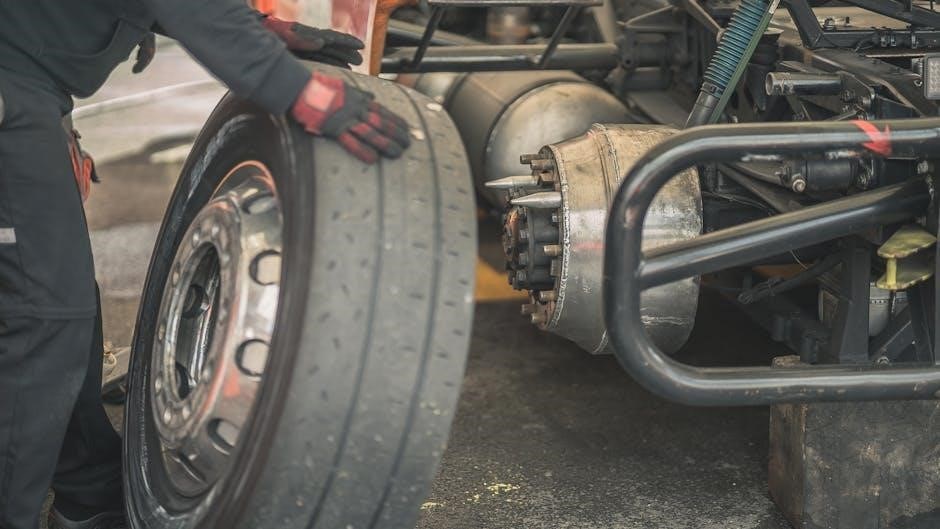
When servicing Cleveland wheels and brakes‚ wear approved safety gear‚ including gloves‚ safety glasses‚ and a face mask. Ensure proper ventilation to avoid inhaling dust or debris. Use heat-resistant gloves when handling hot components. Steel-toe boots are recommended for protection against heavy tools or falling parts. Adhere to these guidelines to minimize risks and ensure a safe working environment during maintenance tasks.
Inspection Guidelines
Regular inspections are crucial for Cleveland wheels and brakes. Check for wear‚ measure components against specified limits‚ and ensure torque values are accurately applied to avoid pre-loading.
Visual Inspection of Brake Components
Visually inspect Cleveland brake components for wear‚ cracks‚ or corrosion. Ensure linings are within wear limits and properly aligned. Check discs for pitting or excessive scoring. Verify hardware for tightness and proper torque. Look for signs of overheating‚ such as discoloration. Ensure all components are free from debris and contamination. Refer to the service manual for specific criteria and return-to-service standards to maintain safety and performance.
Measuring Wear Limits
Measure brake component wear using calibrated tools like micrometers or depth gauges. Check linings for minimum thickness and discs for excessive wear. Ensure all measurements align with Cleveland’s specifications. Look for uneven wear patterns or damage. Record findings for maintenance logs. Replace components if wear exceeds limits to maintain safety and performance. Refer to the service manual for precise measurement criteria and procedures to ensure compliance with manufacturer guidelines.

Wear Limits and Torque Values
Adhering to Cleveland’s specified wear limits and torque values is critical for safety and performance. These guidelines ensure proper brake function and prevent premature component failure.
Understanding Wear Limits
Wear limits for Cleveland wheels and brakes are predetermined thresholds that define the maximum acceptable degradation of components. Exceeding these limits can compromise safety and performance. They are typically measured in terms of material loss‚ such as brake lining thickness or rotor wear. Adhering to these guidelines ensures timely replacements‚ preventing catastrophic failures. Always refer to the official service manual for specific values tailored to your aircraft model and configuration;
Torque Specifications for Cleveland Wheels
Torque specifications for Cleveland wheels are critical for ensuring safety and optimal performance. These specifications‚ typically measured in foot-pounds or Newton-meters‚ vary by model and component. Always consult the official service manual for precise values. Proper torque ensures components function as intended‚ preventing potential failures. Improper torque can lead to loose connections or damage. Adhering to these guidelines is essential for maintaining aircraft safety and reliability.
Brake Linings Replacement
Brake linings replacement involves removing worn linings and installing new ones‚ ensuring proper fitment and alignment. Follow the service manual for specific steps and precautions.
Replacing Metallic Brake Linings
Replacing metallic brake linings involves removing the worn linings and installing new ones. Clean the brake assembly thoroughly‚ ensuring all surfaces are free from debris. Inspect hardware for damage and apply the recommended adhesive to the back of the new linings before installation. Secure the linings firmly‚ ensuring proper alignment and fitment. Always follow the manufacturer’s guidelines for adhesive application and curing times. After installation‚ test the brakes to ensure proper function and performance.
Replacing Non-Metallic Brake Linings
ReplacIng non-metallic brake linings requires careful handling to avoid damage. Begin by wearing appropriate PPE‚ including gloves and safety glasses. Remove the old linings by gently prying them from the brake assembly‚ taking care not to scratch the brake surfaces. Clean the area thoroughly with a wire brush and brake cleaner to ensure proper adhesion. Apply the recommended adhesive to the back of the new linings‚ aligning them precisely with the assembly. Secure them firmly‚ ensuring no air bubbles form. Allow the adhesive to cure as per instructions before reassembling the brake system. Finally‚ test the brakes to ensure proper function and even wear.
Wheel Inspection and Maintenance
Regular inspection ensures wheel longevity. Check for cracks‚ corrosion‚ and wear. Lubricate moving parts to prevent seizure. Replace damaged components promptly for optimal performance and safety.
Identifying Wear on Cleveland Wheels
Inspect Cleveland wheels for cracks‚ excessive wear‚ or corrosion. Check the hub‚ bolts‚ and flange areas for damage. Measure lateral runout using a dial indicator to ensure it stays within factory limits. Look for uneven wear patterns or scoring on the brake rotor mating surfaces. Refer to the service manual for specific wear limits and replacement criteria. Addressing wear promptly ensures optimal braking performance and prevents further damage. Always replace worn or damaged components to maintain safety and functionality.
Wheel Bearing Maintenance Procedures
Inspect Cleveland wheel bearings every 500 hours or as specified in the service manual. Clean bearings with a solvent to remove grease and contaminants. Repack with high-temperature grease‚ ensuring the correct type and amount. Check for wear or damage; replace if necessary. Properly torque bearings according to Cleveland’s specifications. Ensure bearing races are securely seated and aligned. Document maintenance for future reference and compliance. Regular upkeep prevents premature failure and ensures smooth operation.
Brake Disc Replacement
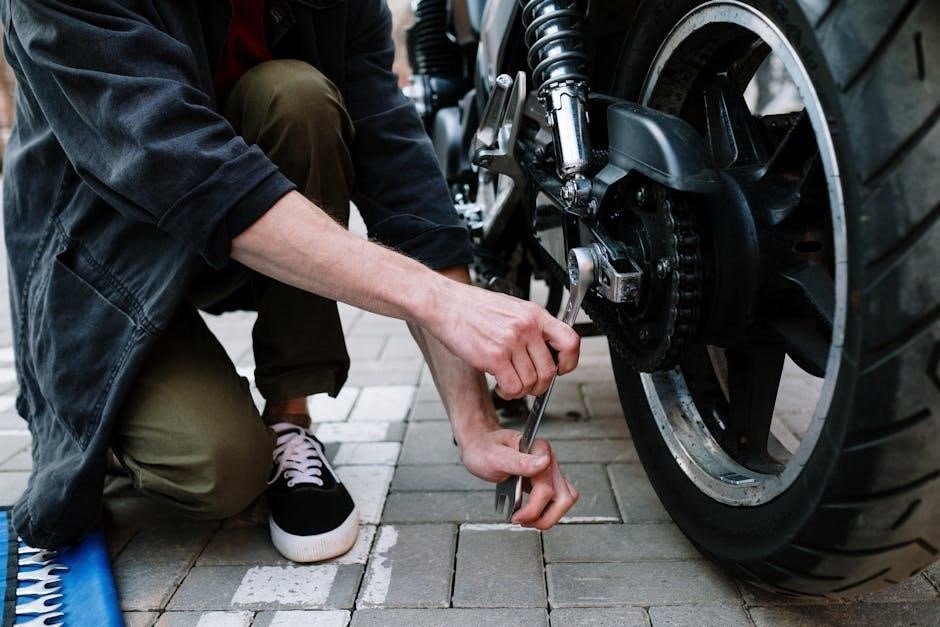
Replace brake discs by removing the old disc‚ inspecting the hub‚ and cleaning thoroughly. Install the new disc‚ ensuring correct torque and alignment. Conduct a final inspection for safety and compliance.
Steps to Replace Brake Discs
To replace brake discs on Cleveland Wheels and Brakes‚ start by loosening the wheel nuts and raising the aircraft. Remove the caliper and existing disc‚ taking care to inspect and clean the hub area. Install the new disc‚ ensuring proper alignment and torque specifications. Reattach the caliper and tighten all components securely. Finally‚ lower the aircraft and test the brakes to confirm proper function and safety compliance.
Post-Replacement Inspection
After replacing brake discs‚ perform a thorough inspection to ensure proper installation. Check for any debris or damage on the new disc and surrounding components. Verify that all bolts and nuts are tightened to the specified torque values. Inspect the brake caliper alignment and ensure the disc rotates smoothly. Test the braking system under safe conditions to confirm functionality and reliability‚ referencing the Cleveland Wheels and Brakes service manual for guidance.
Troubleshooting Common Issues
This section provides guidance on identifying and diagnosing common problems with Cleveland wheels and brakes‚ including unusual noises‚ vibrations‚ and reduced braking performance. It outlines diagnostic tools and techniques to help technicians pinpoint issues efficiently‚ ensuring effective repairs and maintaining system reliability.
Diagnosing Brake System Problems
Diagnosing brake system issues involves identifying symptoms like unusual noises‚ vibrations‚ or reduced braking performance. Technicians inspect components for wear‚ misalignment‚ or damage. They check brake fluid levels and look for leaks. Advanced diagnostic tools‚ such as brake meters‚ may be used to assess system performance. Referencing the Cleveland Wheels and Brakes service manual ensures accurate troubleshooting. If issues persist after initial checks‚ further disassembly or specialized testing may be required to pinpoint the root cause.
Addressing Common Faults
Common faults in Cleveland Wheels and Brakes systems often include worn brake linings‚ misaligned brake discs‚ or hydraulic leaks. Identify the issue by referencing the service manual’s troubleshooting guide. Replace worn components with genuine parts and ensure proper torque specifications. Bleed the brake system to remove air pockets. For persistent problems‚ consult Cleveland’s technical support or refer to updated maintenance procedures in the manual to restore optimal braking performance safely.
Returning to Service
After completing maintenance‚ ensure all systems function properly. Conduct a final inspection‚ test flight‚ and review documentation to confirm compliance with service manual guidelines.
Final Checks Before Operation
Conduct a thorough review of all maintenance tasks to ensure compliance with the service manual. Verify torque values‚ inspect hydraulic fluid levels‚ and test the brake system. Perform a visual inspection of all components for damage or wear. Ensure proper alignment and function of wheels and brakes. Document all findings and address any issues before returning the aircraft to operational status. Safety and compliance are paramount.
Documentation and Compliance
Accurate documentation is crucial for compliance and traceability. Document every maintenance step‚ including inspections‚ repairs‚ and replacements‚ referencing the Cleveland Wheels and Brakes service manual. Ensure all records are dated‚ signed‚ and stored securely. Compliance with regulatory standards and manufacturer guidelines must be verified. Maintain a clear audit trail for all procedures and parts used. Adherence to these practices ensures accountability and operational safety.

Record Keeping and Compliance
Maintain detailed records of all maintenance activities for compliance. Ensure adherence to industry standards and accessibility for audits and regulatory reviews.
Maintenance Logging Best Practices
Accurately document all maintenance activities‚ including dates‚ personnel‚ and procedures performed. Use standardized formats for traceability and compliance. Record serial numbers‚ part numbers‚ and replacement details. Reference industry standards like AMM or ATA for consistency. Utilize digital tools for secure storage and easy accessibility. Perform regular audits to ensure completeness and accuracy. Maintain logs for the lifespan of the aircraft to support regulatory requirements and historical tracking.
Regulatory Compliance Requirements
Ensure all maintenance activities comply with federal and international aviation regulations. Adhere to FAR 25 and FAR 121 for commercial aircraft. Reference AMM and ATA specifications for standardized practices. Maintain detailed records of inspections‚ repairs‚ and replacements. Conduct regular audits to verify compliance with safety and operational standards. Familiarize yourself with EASA and FAA guidelines for specific requirements. Always follow the latest revisions of the Cleveland Wheels and Brakes Service Manual for regulatory alignment.
Manufacturer Resources
Cleveland Wheels and Brakes provides official resources‚ including service manuals‚ technical bulletins‚ and support contacts‚ ensuring compliance and optimal maintenance practices for their products.
Accessing Official Service Manuals
Accessing official service manuals for Cleveland Wheels and Brakes is straightforward. Visit the manufacturer’s website and navigate to the support section. Registration may be required to download PDF versions. Ensure you check the revision date for accuracy. These manuals provide detailed procedures‚ torque specifications‚ and safety guidelines. For issues‚ contact Cleveland’s technical support. Always use the latest version to ensure compliance with warranty and safety standards.
Contacting Cleveland Technical Support
For technical assistance‚ contact Cleveland Wheels and Brakes through their official website. Use the “Contact Us” form or call the support hotline listed in the service manual. Email inquiries are also accepted‚ with responses typically within 24 hours. Ensure to provide model details and specific issues for efficient troubleshooting. Additional resources‚ such as FAQs and troubleshooting guides‚ are available online for quick resolutions. Always verify contact information from official sources.
Operational Tips and Techniques
Adhere to the service manual guidelines for optimal performance. Regularly lubricate moving parts and monitor brake temperature. Ensure proper alignment of wheels and brakes for smooth operation.
Optimizing Brake Performance
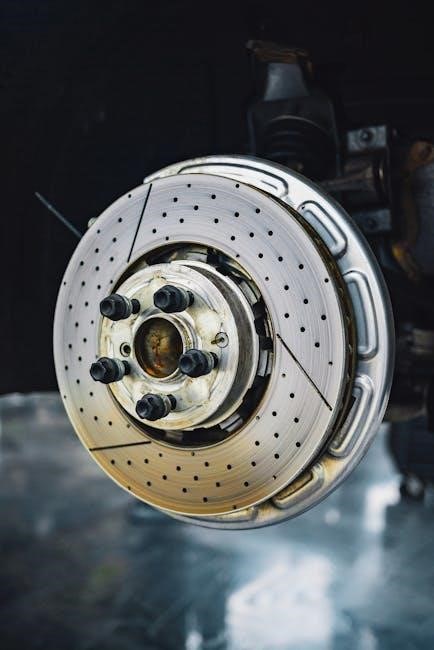
For optimal brake performance‚ ensure all components are clean and free from debris. Regularly inspect and replace worn brake linings according to the service manual. Properly lubricate pivot points and moving parts to reduce friction. Monitor brake disc thickness and ensure torque specifications are followed during installation. Avoid overheating by maintaining appropriate braking practices. Refer to the official Cleveland Wheels and Brakes manual for specific guidelines and recommendations.
Preventive Maintenance Schedules
Adhere to Cleveland Wheels and Brakes’ recommended maintenance intervals to ensure reliability. Schedule regular inspections of brake linings‚ discs‚ and hardware every 500 flight hours or as specified. Lubricate moving parts and check torque values periodically. Replace components at the first sign of wear to prevent system failure. Always follow the service manual’s guidelines for timing and procedures to maintain optimal performance and safety.
Common Mistakes to Avoid
Avoid incorrect torque application‚ using improper tools‚ and ignoring wear limits. Never skip visual inspections or bypass safety checks. Ensure all parts are compatible and properly fitted.
Incorrect Torque Application
Incorrect torque application is a critical error when servicing Cleveland wheels and brakes. Over-tightening can damage components‚ while under-tightening risks loosening during operation. Always use the torque specifications provided in the service manual for each bolt and nut. Failure to adhere to these values can lead to brake inefficiency or even system failure. Ensure a calibrated torque wrench is used to maintain accuracy and prevent costly repairs.
Improper Inspection Practices
Improper inspection practices can lead to overlooked issues in Cleveland wheels and brakes. Rushing inspections or neglecting visual checks for wear‚ cracks‚ or contamination can result in unsafe conditions. Always follow the service manual’s detailed inspection checklist and use proper tools. Failure to document findings or address minor issues early can cause major malfunctions. Consistency and attention to detail are critical for maintaining reliability and safety in brake systems.

Updates in Maintenance Requirements
Cleveland Wheels and Brakes service manual updates include revised procedures‚ new torque specs‚ and enhanced inspection intervals to improve safety and system performance over time.
Recent Changes in Procedures
Recent updates to Cleveland Wheels and Brakes service manual include new inspection intervals‚ revised torque specifications‚ and enhanced safety protocols. These changes aim to align with evolving industry standards and improve component reliability. Updated procedures also address the use of advanced materials and technologies‚ ensuring optimal performance and longevity of brake systems. Proper adherence to these revised guidelines is essential for maintaining safety and compliance with current regulations.
Adapting to New Regulations
Staying compliant with new regulations is crucial for maintaining safety and operational standards; Cleveland Wheels and Brakes service manual now includes updated guidelines to reflect recent regulatory changes. Technicians must familiarize themselves with amended inspection protocols‚ documentation requirements‚ and environmental standards. Regular updates ensure adherence to evolving industry norms‚ enhancing overall system performance and legal compliance. Proper adaptation guarantees seamless integration of new rules into maintenance routines.
Legacy Model Considerations
Maintenance for older Cleveland Wheels and Brakes models requires attention to unique specifications and compatibility of replacement parts. Always refer to the original service manual for precise guidelines.
Maintenance for Older Models
Legacy Cleveland Wheels and Brakes models often require specialized maintenance procedures to ensure optimal performance. Regular inspection of brake linings and wheel bearings is essential. Lubrication of moving parts should follow original specifications. Use only OEM-compatible replacement parts to maintain safety and functionality. Always consult the original service manual for model-specific guidelines‚ as procedures may differ from newer systems. Proper documentation of maintenance history is also recommended to track compliance and longevity. Adherence to these practices ensures reliable operation and extends service life.
Compatibility of Replacement Parts
Ensuring compatibility of replacement parts for Cleveland Wheels and Brakes is critical for safety and performance. Always use parts certified by the manufacturer or listed in the service manual. Cross-reference part numbers to avoid mismatches. Material specifications‚ such as metallic vs; non-metallic linings‚ must align with the original design. Using non-compliant parts can lead to system failure or compromised braking efficiency. Verify compatibility before installation to maintain optimal functionality and safety standards.
Community and Support Resources
Engage with Cleveland Wheels and Brakes’ technical forums and online communities for expert advice. Attend manufacturer-hosted webinars and training sessions to enhance maintenance skills and knowledge.
Forums and Discussion Groups
Cleveland Wheels and Brakes’ forums and discussion groups provide a platform for technicians to share experiences‚ ask questions‚ and gain insights. These communities are rich with technical discussions‚ troubleshooting tips‚ and real-time support. Participants can engage with industry experts and access user-generated content‚ ensuring they stay updated on best practices and maintenance techniques. Active involvement helps in resolving complex issues and optimizing brake system performance effectively.
Workshops and Training Opportunities
Cleveland Wheels and Brakes offers comprehensive workshops and training programs designed to enhance technical expertise. These sessions cover in-depth maintenance procedures‚ troubleshooting techniques‚ and system optimization. Participants gain hands-on experience with certified instructors‚ ensuring compliance with manufacturer standards. Regular updates to the curriculum reflect the latest advancements in brake technology‚ equipping technicians with the tools to perform precise and efficient repairs. These programs are essential for improving proficiency and adherence to safety protocols.