component of self guided museum tours crossword

Component of Self-Guided Museum Tours: A Comprehensive Overview

Museums are embracing innovative audio guides, QR codes, and mobile apps, offering visitors flexible, personalized experiences and enriching cultural immersion worldwide today.

What are Self-Guided Museum Tours?

Self-guided museum tours represent a paradigm shift in how individuals experience art, history, and culture. Unlike traditional, docent-led tours with fixed routes and schedules, these tours empower visitors to explore exhibits at their own pace and according to their individual interests. This freedom is facilitated by various technologies, prominently featuring audio guides, increasingly accessible through mobile apps and QR codes.

Essentially, a self-guided tour provides curated content – commentary, stories, and insights – delivered directly to the visitor, allowing for a deeply personalized and immersive experience. These tours cater to diverse learning styles and preferences, offering flexibility that traditional tours often lack. The recent reopening of the Guggenheim Museum, with its “Minds Eye” audio guide, exemplifies this trend, bringing art to those unable to visit physically.

The Rise of Audio Guides in Museums

Audio guides have become a cornerstone of the modern museum experience, evolving from bulky devices to sophisticated digital solutions. Initially offering a convenient alternative to live docents, they now provide a level of depth and personalization previously unattainable. The shift reflects a growing demand for visitor autonomy and a desire for more engaging, multi-sensory learning.

Museums like the Vasa Museum demonstrate this commitment, offering audio guides in a remarkable fifteen languages, catering to a global audience. This accessibility, coupled with the integration of artist and curator perspectives – like Tracey Emin and Fredrik Høyer – elevates the tour beyond simple factual recitation. The technology’s evolution continues, with AI-powered enhancements promising even more tailored experiences in the near future.

History of Museum Audio Guides

The genesis of museum audio guides can be traced back to the late 1950s, though their widespread adoption occurred later. Early iterations were rudimentary, often utilizing pre-recorded tapes and clunky playback devices. A pivotal moment arrived in 1974 with the introduction of a handheld audio guide at the Stedelijk Museum in Amsterdam, marking a significant step towards self-paced exploration.

The 1980s witnessed further refinement, with the emergence of more portable and user-friendly systems. Nintendo’s partnership with the Louvre in 2011, providing Nintendo 3DS systems loaded with exclusive audio content, showcased a creative application of existing technology. Today, the focus has shifted towards smartphone-based solutions and QR code accessibility, driven by cost-effectiveness and broader reach, continually reshaping how visitors engage with art and history.

Early Audio Guide Technology

Initial museum audio guide technology was remarkably basic. Predating digital convenience, systems relied heavily on physical media – primarily reel-to-reel and cassette tapes. Visitors were issued bulky devices with headphones, requiring manual advancement to each track corresponding to a specific exhibit. These early players were prone to malfunctions and offered limited storage capacity, restricting the depth of information provided.

The experience was far from seamless; battery life was short, and the audio quality often suffered. Despite these limitations, these pioneering systems represented a crucial first step towards empowering visitors with independent access to curatorial insights. They laid the groundwork for the sophisticated, digitally-driven audio guides prevalent in museums today, demonstrating a clear desire for enhanced visitor engagement.

Digital Audio Players (DAPs) and Museum Tours

The advent of Digital Audio Players (DAPs), like MP3 players, revolutionized museum audio guides. Replacing cumbersome cassette tapes, DAPs offered significantly improved audio quality, increased storage for extensive content, and greater reliability. These devices allowed museums to deliver richer, more detailed narratives about their collections, enhancing the visitor experience considerably.

DAPs also introduced features like pause, rewind, and track selection, granting visitors greater control over their tour. While still requiring dedicated hardware rental, DAPs were more user-friendly and durable than their predecessors. This transition marked a substantial leap forward, paving the way for the eventual integration of audio guides into the smartphones visitors already carried, further democratizing access to museum knowledge.

Smartphone-Based Audio Guides

The proliferation of smartphones dramatically altered the landscape of self-guided museum tours. Museums quickly recognized the potential of leveraging visitors’ personal devices, eliminating the need for dedicated hardware rental and reducing operational costs. Mobile apps became the primary delivery method, offering features beyond simple audio playback, such as interactive maps, image galleries, and supplemental information.

Smartphone-based guides also enabled personalized experiences, tracking visitor progress and offering tailored content recommendations. QR codes, easily scannable with smartphone cameras, became a popular method for initiating tours and accessing specific exhibit information. This shift increased accessibility and convenience, encouraging wider adoption of self-guided tours and fostering deeper engagement with museum collections.

Types of Self-Guided Tour Technologies

Audio, QR codes, mobile apps, and VR represent diverse technologies powering self-guided museum experiences, enhancing accessibility and visitor engagement significantly today.

Audio-Based Tours: The Core Experience

Audio-based tours remain the foundational element of self-guided museum experiences, offering a direct connection to artwork and historical context. Initially utilizing physical audio players, these tours have evolved dramatically. Today, visitors can access commentary via their smartphones, downloading dedicated museum apps or utilizing QR codes to stream content.

The core strength lies in curator-led narratives and artist perspectives, bringing exhibits to life with insightful details. Museums like the Vasa offer multilingual audio guides, catering to a diverse international audience; This accessibility is crucial, ensuring a richer experience for all. The simplicity and widespread availability of smartphone technology have solidified audio tours as a cornerstone of modern museum exploration, providing flexibility and personalization.

QR Code Audio Guides: Accessibility and Cost-Effectiveness

QR code audio guides represent a significant advancement in self-guided tour technology, prioritizing accessibility and affordability. Unlike app-based solutions, QR codes require no download, eliminating a barrier for visitors hesitant to use mobile data or lacking sufficient storage. Scanning a QR code instantly streams audio content directly to the user’s smartphone.

This approach dramatically reduces costs for museums, bypassing app development and maintenance expenses. Higher adoption rates are observed due to the ease of use. Digital QR Audio Guides offer a monetizable solution, allowing museums to generate revenue per tour. This method proves particularly effective for smaller institutions or temporary exhibitions, offering a streamlined and budget-friendly alternative to traditional systems.

Mobile App-Based Museum Tours

Mobile app-based museum tours deliver a rich, interactive experience directly to visitors’ smartphones. These apps often go beyond simple audio commentary, incorporating features like interactive maps, high-resolution images, and augmented reality elements. Museums can offer personalized tour routes based on visitor interests and time constraints, enhancing engagement and learning.

Apps facilitate multilingual support, catering to a diverse audience. Data analytics provide valuable insights into visitor behavior, allowing museums to refine content and improve the tour experience. While requiring initial development investment, apps offer long-term benefits, including branding opportunities and direct communication channels with visitors. Downloadable audio guides, like those offered by the National Museum, exemplify this trend.

Virtual Reality (VR) Museum Tours

Virtual Reality (VR) museum tours represent the cutting edge of self-guided experiences, offering immersive explorations beyond physical limitations. VR allows visitors to “step inside” historical settings, examine artifacts in detail, and even witness events as they unfolded, creating a profoundly engaging and memorable encounter. This technology transcends geographical barriers, making museum collections accessible to a global audience.

While currently requiring specialized equipment (VR headsets), the cost is decreasing, and accessibility is improving. VR tours can recreate lost environments or provide unique perspectives on existing exhibits. They are particularly valuable for fragile artifacts or sites that are difficult to access physically. Museums are actively exploring VR to enhance storytelling and deepen visitor understanding, unlocking secrets worldwide.

Content Creation for Self-Guided Tours

Curators, artists, and historians collaborate to craft compelling narratives, offering diverse perspectives and enriching the visitor experience through insightful audio commentary.

Curator-Led Audio Commentary

Curator-led audio commentary forms the bedrock of many successful self-guided tours, providing authoritative insights into the exhibits. These commentaries aren’t simply descriptive; they delve into the historical context, artistic techniques, and often, the untold stories behind the artifacts or artworks. Museums are increasingly recognizing the value of having curators directly address visitors, fostering a deeper connection with the collection.

The benefit lies in the curator’s specialized knowledge and ability to articulate complex ideas in an accessible manner. This approach elevates the tour beyond a basic overview, transforming it into an educational and engaging experience. Furthermore, curator voices lend authenticity and credibility, enhancing the overall perception of the museum and its offerings; Careful scripting and professional narration are crucial for delivering a polished and impactful commentary.

Artist Perspectives in Audio Guides

Integrating artist perspectives into self-guided audio tours adds a uniquely compelling dimension to the visitor experience. Hearing directly from the creators – whether through recorded interviews, excerpts from writings, or dramatized readings – offers invaluable insight into their intentions, processes, and the meaning behind their work. This approach moves beyond scholarly analysis, providing a personal and emotional connection to the art.

Museums are increasingly seeking out opportunities to include these voices, recognizing their power to resonate with audiences. Featuring artists like Tracey Emin directly within the audio guide fosters a more intimate and engaging encounter. It allows visitors to understand the artwork not just as a finished product, but as a reflection of the artist’s vision and lived experience, enriching the overall interpretation.

Incorporating Multiple Languages

Multilingual audio guides are crucial for inclusivity and broadening a museum’s reach to a diverse international audience. Offering tours in numerous languages – such as English, Swedish, Ukrainian, Korean, Hindi, Arabic, Polish, Spanish, Chinese, Japanese, Italian, and German – ensures accessibility for visitors from all over the world. This commitment to linguistic diversity demonstrates a welcoming and respectful approach to cultural exchange.

The Vasa Museum exemplifies this practice, providing a wide array of language options. Beyond simply translating scripts, museums must consider cultural nuances and ensure accurate, sensitive interpretations. This investment enhances the visitor experience, allowing individuals to fully engage with the exhibits in their native tongue, fostering a deeper appreciation for the art and history presented.

Accessibility Features in Audio Guides

Audio guides must prioritize accessibility for all visitors, including those with disabilities. This extends beyond multilingual support to encompass features catering to diverse needs. Clear audio quality, adjustable playback speeds, and transcripts are essential for individuals with hearing impairments. Descriptive audio, detailing visual elements, benefits visually impaired guests, allowing them to fully experience the artwork.

Furthermore, intuitive navigation and simplified interfaces are vital for users with cognitive differences. Consideration should be given to providing alternative input methods and customizable display options. Museums are increasingly recognizing the importance of inclusive design, ensuring that self-guided tours are genuinely accessible to everyone, fostering a welcoming and enriching experience for all patrons regardless of their abilities.

Benefits of Self-Guided Tours

Self-guided tours offer flexibility, personalization, and cost savings for both museums and visitors, boosting engagement with immersive cultural experiences today.

Flexibility and Personalization

Self-guided tours fundamentally empower visitors with unparalleled flexibility. Unlike traditional, rigidly scheduled group tours, individuals can explore exhibits at their own pace, lingering longer at pieces that capture their interest and swiftly moving past those that don’t. This autonomy caters to diverse learning styles and attention spans, enhancing the overall experience.

Personalization is another key benefit. Modern audio guides and mobile apps often allow visitors to select specific themes or focus on particular artists, tailoring the tour to their individual preferences. The ability to replay commentary, skip sections, or access supplementary information further contributes to a customized journey through the museum’s collection. This level of control fosters a deeper connection with the art and history on display, making the visit more meaningful and memorable.

Cost Savings for Museums and Visitors

Self-guided tour technologies present significant cost savings for both museums and their visitors. Museums reduce expenses associated with employing and training dedicated tour guides, minimizing labor costs and allowing resources to be allocated to conservation, acquisitions, and exhibit development. The initial investment in audio guide systems or mobile app development is often offset by long-term operational efficiencies.

For visitors, self-guided tours frequently represent a more affordable option than traditional guided tours. QR code-based systems, in particular, offer a low-cost entry point, eliminating the need for dedicated hardware. Free audio guides, like those offered by the Vasa Museum, further reduce visitor expenses, making cultural experiences accessible to a wider audience. This affordability encourages greater museum attendance and engagement.

Increased Visitor Engagement

Self-guided tours demonstrably increase visitor engagement by fostering a more personalized and interactive experience. Unlike traditional tours with fixed routes and pacing, visitors can explore exhibits at their own speed, focusing on areas of particular interest. Audio commentary from curators and even artists, like Tracey Emin, adds depth and context, transforming passive observation into active learning.

The integration of mobile apps and VR further enhances engagement, offering multimedia content and immersive experiences. QR codes provide instant access to information, encouraging exploration and discovery. This flexibility caters to diverse learning styles and preferences, resulting in a more meaningful and memorable museum visit. Ultimately, empowered visitors are more likely to connect with the art and culture on display.

Challenges and Considerations

Maintaining equipment, ensuring content accuracy, and providing accessibility for all visitors remain crucial challenges for successful self-guided tour implementation in museums.

Maintaining Audio Guide Equipment

Ensuring the consistent functionality of audio guide devices presents a significant logistical hurdle for museums. Traditional audio players, while robust, require regular battery replacements, sanitation, and repair due to frequent handling by diverse visitors. Smartphone-based solutions shift some maintenance burden to the user, but necessitate reliable Wi-Fi coverage throughout the museum and troubleshooting assistance for technical issues.

Furthermore, headphone hygiene is paramount; disposable earpieces add to operational costs and environmental concerns, while reusable options demand rigorous cleaning protocols. Museums must allocate resources for dedicated staff or outsourced services to manage equipment inventory, perform routine checks, and address malfunctions promptly, minimizing disruptions to the visitor experience. Proactive maintenance schedules and readily available replacement units are essential for seamless operation.

Content Updates and Accuracy

Maintaining the relevance and factual correctness of self-guided tour content is a continuous process. New discoveries, evolving interpretations, and temporary exhibitions necessitate regular updates to audio commentary and accompanying materials. Outdated information can diminish visitor trust and detract from the educational value of the experience. Curator-led reviews are crucial, ensuring alignment with current scholarship and museum narratives.

Moreover, content must be vetted for accessibility and inclusivity, reflecting diverse perspectives and avoiding biased language. Translation accuracy is also paramount for multilingual tours. Museums should establish a clear workflow for content revisions, incorporating feedback from staff, visitors, and external experts. A robust content management system facilitates efficient updates and version control, guaranteeing a consistently accurate and engaging tour experience.

Ensuring Accessibility for All Visitors

Self-guided tours must be inclusive, catering to diverse needs. Accessibility features are paramount, including transcripts for audio content, adjustable playback speeds, and volume control. Visual aids, such as maps and image descriptions, benefit visitors with visual impairments. Multi-language support expands reach, while clear audio quality minimizes listening fatigue.

Furthermore, consider compatibility with assistive technologies like screen readers and hearing loops. Intuitive navigation is vital for users with cognitive disabilities. Museums should actively solicit feedback from disability advocacy groups to identify areas for improvement. Providing alternative formats, like large-print guides, demonstrates commitment to inclusivity. Ultimately, accessible self-guided tours enhance the museum experience for all visitors, fostering a welcoming and equitable environment.

Future Trends in Self-Guided Museum Tours

AI personalization, AR integration, and gamification are poised to revolutionize museum tours, creating immersive, interactive experiences for visitors globally now.

AI-Powered Personalized Tours

Artificial intelligence is set to dramatically reshape self-guided museum experiences. Imagine a tour that adapts in real-time to your interests, pace, and even emotional responses! AI algorithms can analyze visitor data – previous exhibits viewed, time spent at each artwork, and demographic information – to curate a truly bespoke journey.

This goes beyond simply offering different language options. AI can select commentary focusing on aspects of an artwork that align with a visitor’s known preferences, perhaps highlighting artistic techniques for a seasoned art enthusiast or historical context for a history buff. Furthermore, AI can dynamically adjust the tour’s complexity and depth, ensuring engagement for all levels of knowledge.

Future systems might even utilize facial recognition to gauge emotional responses to artworks, tailoring subsequent commentary to enhance understanding and appreciation. The potential for truly individualized and enriching museum visits is immense, promising a future where every visitor feels a personal connection to the art and history around them.

Integration with Augmented Reality (AR)

Augmented Reality (AR) promises to layer digital information onto the physical museum environment, transforming self-guided tours into immersive adventures. Imagine pointing your smartphone at a painting and seeing it come to life, with characters moving and narratives unfolding before your eyes! AR can reveal hidden details, reconstruct lost elements of artworks, or even transport visitors back in time to witness the artwork’s creation.

This technology moves beyond static audio commentary, offering a multi-sensory experience. Visitors could virtually “step inside” a historical scene depicted in a painting, or examine a sculpture from every angle, even viewing its internal structure. AR applications can also provide interactive games and challenges, further enhancing engagement, particularly for younger audiences.

The integration of AR with self-guided tours has the potential to unlock new levels of understanding and appreciation, making museum visits more dynamic, memorable, and accessible than ever before.

Gamification of Museum Experiences

Gamification is rapidly emerging as a powerful tool to boost visitor engagement in self-guided museum tours; By incorporating game-like elements – such as points, badges, leaderboards, and challenges – museums can transform passive observation into active participation. Imagine a scavenger hunt through the galleries, where visitors unlock information about artworks by solving puzzles or answering trivia questions.

These interactive elements encourage exploration and deeper engagement with the collection. Gamified tours can cater to different learning styles and age groups, making the museum experience more enjoyable and rewarding. Competition, collaboration, and a sense of accomplishment motivate visitors to spend more time learning and discovering.

Successfully implemented gamification can significantly enhance the educational value of a museum visit, fostering a lasting connection between visitors and the art or history on display.


ctek mxs 5.0 user manual

Congratulations on acquiring this professional, intelligent charger and tester! This CTEK device utilizes cutting-edge battery charging technology, offering versatile functionality and ease of use.

Overview of the CTEK MXS 5.0

The CTEK MXS 5.0 is a professional, multi-functional, intelligent battery charger and tester designed for 12V lead-acid batteries. It’s a switch-mode charger, representing the latest advancements in battery care technology from CTEK Sweden AB. This charger isn’t just about replenishing power; it actively analyzes battery condition and adapts the charging process accordingly.

It’s suitable for a wide range of battery types, including standard lead-acid, AGM, and GEL batteries. Beyond charging, the MXS 5.0 incorporates a testing function to assess battery voltage and capacity, providing valuable insights into battery health; Its compact design and ease of use make it ideal for both automotive and general-purpose battery maintenance, offering a comprehensive solution for keeping batteries in optimal condition.

Key Features and Benefits

The CTEK MXS 5.0 boasts several key features, including automatic desulphation, which revitalizes batteries by reversing sulphation. A ‘soft start’ feature ensures gentle charging, extending battery life. It offers multiple charging modes – Normal, AGM, GEL, and Reconditioning – catering to diverse battery needs.

Benefits include extended battery lifespan, improved performance, and reduced maintenance. The integrated battery testing functionality allows users to assess battery health and capacity. Its user-friendly design and clear indicators simplify operation. Furthermore, the MXS 5.0 is a safe and reliable solution, protecting against overcharging and reverse polarity, ensuring peace of mind during battery maintenance.

Safety Precautions

Always avoid exposing the charger to rain or snow. Utilize only CTEK-recommended attachments to prevent fire, electric shock, or potential personal injury.

General Safety Instructions

Before operating the CTEK MXS 5.0, carefully read all instructions and warnings. This charger is designed for charging 12V lead-acid batteries, and improper use could result in hazardous situations. Ensure the charger is used in a well-ventilated area, as batteries can release explosive gases during charging.

Never charge damaged batteries; Always disconnect the charger from the AC power source before connecting or disconnecting the battery. Avoid short-circuiting the terminals, and do not attempt to disassemble the charger. This appliance isn’t intended for use by individuals lacking understanding or supervision. Keep the charger out of reach of children. Always follow battery manufacturer’s recommendations.

Specific Warnings for the MXS 5.0

The CTEK MXS 5.0 is a sophisticated device; however, specific precautions are crucial. Do not expose the charger to rain or snow – indoor use is recommended. Utilizing non-recommended attachments from CTEK could pose fire, shock, or injury risks. Always verify the battery voltage matches the charger’s specifications before connecting.

Avoid using the charger in environments with flammable liquids or gases. If the charger’s power cord is damaged, it must be replaced by a qualified technician. Never attempt to repair the unit yourself. Ensure proper ventilation during charging to dissipate heat. Improper use voids the warranty and may cause damage to the battery or charger.

Understanding the Charger Components

The MXS 5.0 features a user-friendly front panel with clear indicators and robust cable/connector details for secure battery connections.

Charger Front Panel Indicators

The CTEK MXS 5.0’s front panel utilizes a series of LED indicators to communicate the charger’s status and the battery’s condition throughout the charging cycle. These indicators provide crucial information regarding each charging step. A flashing red light signifies desulphation, attempting to revitalize a heavily discharged battery. A steady red indicates the bulk charging phase, delivering maximum current.

A flashing yellow light denotes absorption, where voltage is maintained while current decreases. A steady yellow signifies float charging, maintaining the battery at full capacity. If a flashing green light appears, the charger has completed the charging process and the battery is fully charged. A steady green light indicates the charger is in standby mode. Understanding these indicators is key to monitoring the charging process effectively.

Cable and Connector Details

The CTEK MXS 5.0 comes equipped with a durable cable and versatile connectors for secure and efficient battery connection. The charger utilizes a detachable cable system, featuring a standard eyelet connector for direct battery terminal attachment and a crocodile clip connector for convenient, temporary connections. Ensure the connectors are firmly attached to the battery terminals – red to positive (+) and black to negative (-).

Proper connection is vital for optimal charging and safety. Avoid reversing the polarity, as this can damage the charger and the battery. The cable length is designed for flexibility, allowing for convenient placement during charging. Regularly inspect the cable and connectors for any signs of damage, and replace them if necessary to maintain safe operation.

Charging Process: Step-by-Step Guide

The MXS 5.0 employs a multi-stage charging process: desulphation, soft start, bulk, absorption, and float, ensuring optimal battery health and longevity.

Step 1: Desulphation

This initial phase is crucial for batteries that have been idle for extended periods. The CTEK MXS 5.0’s desulphation step tests if the battery can actually accept a charge. It employs a low-voltage pulse to break down lead sulphate crystals that form on the battery plates, hindering performance.

This process doesn’t guarantee recovery of deeply discharged batteries, but it significantly improves the chances. Importantly, this step prevents the charger from proceeding with a full charge on a defective or severely damaged battery, safeguarding the unit and preventing potential hazards. A successful desulphation indicates the battery is viable for further charging stages.

Step 2: Soft Start

Following successful desulphation, the charger enters the Soft Start phase. This stage initiates charging with a maximum current, but carefully modulates it to avoid overwhelming the battery. The goal is to efficiently raise the battery’s voltage without causing excessive heat or stress.

Charging continues during this phase until the battery reaches approximately 90% of its full capacity. This controlled increase in voltage is particularly beneficial for batteries that have been deeply discharged, allowing them to recover gradually and safely. The Soft Start ensures a gentle and effective beginning to the main charging process, optimizing battery health.

Step 3: Bulk

After the Soft Start phase, the charger transitions into Bulk charging. During Bulk, the charger delivers a maximum current to the battery, rapidly increasing its charge level. This phase continues until the battery voltage reaches approximately 14.4V or 14.7V, depending on the battery type selected (Standard, AGM, or GEL).

The Bulk stage is characterized by a constant current delivery, focusing on quickly replenishing the battery’s lost capacity. It’s the most significant phase for restoring a deeply discharged battery to a usable state. The charger continuously monitors the battery’s voltage and adjusts the current accordingly, ensuring efficient and safe charging.

Step 4: Absorption

Following the Bulk phase, the charger enters the Absorption stage. Here, the charger maintains a constant voltage – typically 14.4V, 14.7V, or 15.0V, based on the selected battery type – while the current gradually decreases. This phase aims to fully saturate the battery, ensuring it reaches 100% capacity.

The Absorption time is automatically adjusted by the MXS 5.0 based on the battery’s discharge level. A more deeply discharged battery will require a longer Absorption period. This intelligent process prevents overcharging and maximizes battery lifespan, delivering optimal performance and longevity. The charger carefully manages the charging process during this critical stage.

Step 5: Float

After the Absorption phase completes, the CTEK MXS 5.0 transitions to Float charging. During this stage, the charger reduces the voltage to 13.5V or 13.6V, maintaining it at a constant level. This minimal voltage is sufficient to compensate for self-discharge, keeping the battery fully charged and ready for use without risking overcharging or damage.

The Float phase is ideal for batteries that are fully charged and stored for extended periods. It ensures the battery remains in optimal condition, preserving its capacity and extending its lifespan. The MXS 5.0 will periodically re-evaluate the battery’s state and initiate a new charging cycle if needed, maintaining peak performance.

Charging Modes

The CTEK MXS 5.0 offers versatile charging modes – Normal, AGM, GEL, and Reconditioning – allowing optimized charging for diverse battery types and conditions.

Normal Charging Mode

This is the standard charging cycle for traditional lead-acid batteries. The CTEK MXS 5.0 automatically adjusts its charging process based on the battery’s needs, progressing through desulphation, soft start, bulk, absorption, and float stages. It’s ideal for regularly discharged batteries needing a full recharge. The charger initially assesses the battery’s condition, attempting to restore sulphated cells during the desulphation phase. Following this, a gentle ‘soft start’ prevents sudden current surges. The bulk phase rapidly charges the battery until approximately 90% capacity is reached, then transitions to absorption for a more controlled finish, and finally, float maintains full charge without overcharging. This mode ensures optimal performance and longevity for standard lead-acid batteries.

AGM Charging Mode

Specifically designed for Absorbed Glass Mat (AGM) batteries, this mode optimizes charging for these sealed, maintenance-free power sources. AGM batteries require a slightly different charging profile than traditional lead-acid, and the MXS 5.0 delivers precisely that. The charging process still incorporates the familiar stages – desulphation, soft start, bulk, absorption, and float – but with adjusted voltage levels tailored to AGM chemistry. This prevents overcharging and maximizes battery lifespan. Utilizing AGM mode ensures efficient and safe charging, maintaining optimal performance for applications like UPS systems, marine electronics, and vehicles equipped with AGM batteries. Select this mode for reliable and consistent power.

GEL Charging Mode

Designed for Gel batteries, this specialized mode provides a carefully controlled charging process suited to their unique characteristics. Gel batteries, known for their robustness and leak-proof design, demand lower charging voltages to prevent gassing and damage. The MXS 5.0’s GEL mode delivers this precise control, adapting the standard charging stages – desulphation, soft start, bulk, absorption, and float – to the specific needs of Gel chemistry. This ensures optimal charging without risking battery degradation. Ideal for applications requiring reliable, maintenance-free power, selecting GEL mode guarantees extended battery life and consistent performance in demanding environments.

Reconditioning Mode

Utilizing a controlled, high-voltage pulse, Reconditioning Mode is designed to revitalize deeply discharged batteries. This process breaks down lead sulphate crystals that build up on the battery plates, hindering performance and capacity. It’s particularly effective for batteries that have been left unused for extended periods, restoring their ability to accept and hold a charge. However, use this mode cautiously, as it can generate gas and potentially overheat the battery. The MXS 5.0 automatically monitors the process, ensuring safety and effectiveness. Reconditioning isn’t suitable for all battery types; consult battery specifications before use.

Testing Functionality

The MXS 5.0 offers battery voltage and capacity tests, providing valuable insights into battery health and performance for optimal maintenance.

Battery Voltage Test

The CTEK MXS 5.0’s battery voltage test is a crucial diagnostic tool. It allows users to quickly assess the current state of charge of their battery before, during, or after the charging process. This test provides a clear reading of the battery’s voltage level, helping to identify potential issues like a deeply discharged battery or a failing cell.

To perform the test, simply connect the charger to the battery and select the testing function via the mode selector button. The charger will then display the battery’s voltage on the front panel indicators. Understanding this voltage reading is key; a healthy, fully charged 12V battery should typically read around 12.6-12.8 volts. Lower readings indicate a need for charging or potential battery replacement.

Battery Capacity Test

While the CTEK MXS 5.0 doesn’t offer a direct, quantified battery capacity test like some advanced testers, its charging process and desulphation step provide valuable insights into a battery’s ability to hold a charge. The initial desulphation phase effectively ‘tests if the battery can accept charge’ – a crucial indicator of overall health;

If the battery fails this initial assessment, it suggests significant internal damage or sulfation, indicating a reduced capacity. Observing how quickly the battery reaches full charge and how long it maintains that charge after disconnection also provides clues. A battery that discharges rapidly likely has diminished capacity. Regular use of the MXS 5.0’s maintenance mode can help prolong battery life and assess capacity retention over time.

Troubleshooting Common Issues

Addressing charger malfunctions is crucial for optimal performance. Common problems include the charger failing to power on or encountering errors during the charging cycle.

Charger Not Turning On

If your CTEK MXS 5.0 fails to power on, several factors could be at play. First, verify the power cord is securely connected to both the charger and a functioning wall outlet. Test the outlet with another device to confirm it’s delivering power. Inspect the fuse within the charger; a blown fuse will prevent operation. Ensure the battery isn’t completely discharged – a very low voltage might inhibit the charger from initiating.

Additionally, check the battery connections; loose or corroded terminals can interrupt the power flow. Confirm you haven’t accidentally activated any safety features or settings that might disable the charger. If the issue persists after these checks, consult the full user manual or contact CTEK support for further assistance, as internal component failure may be present.

Charging Process Errors

During the charging cycle, errors can occur. If the charger displays an error, refer to the manual’s error code section for specific troubleshooting steps. Common issues include poor battery connection, indicated by flashing lights, or a battery that won’t accept a charge due to sulfation. Ensure correct polarity – reversed connections can trigger errors and potentially damage the charger or battery.

Also, verify the selected charging mode is appropriate for your battery type (AGM, GEL, Lead-Acid). If the charger repeatedly fails to complete a cycle, the battery may be defective and require replacement. Consult the manual for detailed guidance on interpreting error messages and resolving charging process interruptions.

Technical Specifications

The MXS 5.0 boasts a universal input voltage (100-240V) and delivers a maximum charging current of 5A, with output voltages ranging up to 14.4V.

Input Voltage and Current

The CTEK MXS 5.0 charger demonstrates exceptional versatility regarding input power requirements. It’s designed to operate seamlessly with a wide range of input voltages, specifically accepting anything from 100 to 240 volts AC, 50/60Hz. This broad compatibility makes it suitable for use in numerous countries without needing a voltage converter.

Concerning input current, the charger draws a maximum of 1.3A at 100V and 0.7A at 240V. These figures represent the peak current demand during operation. It’s crucial to ensure the power outlet can adequately supply this current to avoid potential issues. The charger automatically adjusts its power consumption based on the battery’s needs and the available input voltage, optimizing efficiency and safety.

Output Voltage and Current

The CTEK MXS 5.0 delivers a multi-stage charging process with variable output parameters tailored to the battery’s requirements. Its output voltage ranges from 14.4V to 15.5V, automatically adjusted during the absorption phase based on battery type and temperature. This ensures optimal charging without overcharging or damaging the battery.

The maximum output current is 5.0A, providing a robust charging capability for various battery sizes. However, it intelligently adjusts the current based on the battery’s state of charge and capacity, starting with a higher current during bulk charging and tapering off during absorption and float stages. This controlled current delivery maximizes charging speed and extends battery lifespan.

bourbon value guide

Bourbon Value Guide: An Overview

Navigating the bourbon market requires understanding factors like brand, age, rarity, and condition․ Prices range from affordable Jim Beam to highly collectible Pappy Van Winkle․

Understanding Bourbon Categories

Bourbon isn’t monolithic; understanding its categories is crucial for valuation․ Standard bourbon, like Jim Beam, represents the entry point, valued for accessibility․ Premium offerings, such as Woodford Reserve and Maker’s Mark, command higher prices due to enhanced flavor profiles and distillation techniques․

Rare and collectible bourbons, exemplified by Pappy Van Winkle and Yellow Rose Outlaw, reach astronomical values driven by limited availability and historical significance․ Age statements—like the 18-year-old Highball Express—significantly impact price, with older bourbons generally fetching premiums․ Distilleries like Buffalo Trace and Four Roses further categorize bourbon through unique mash bills and production methods, influencing collectibility and market value․

Key Factors Influencing Bourbon Value

Several interconnected elements determine a bourbon’s worth․ Age is paramount, with older expressions typically commanding higher prices, reflecting extended maturation and flavor development․ Rarity, driven by limited production runs like Pappy Van Winkle, dramatically increases value․

Distillery reputation—Buffalo Trace and Four Roses are highly regarded—plays a significant role, as does bottle condition and original packaging․ Market demand, influenced by trends and collector enthusiasm, creates fluctuations․ Even regional variations impact pricing, with certain states exhibiting higher demand․ Finally, unique expressions, like Yellow Rose Outlaw, contribute to a bourbon’s overall collectibility and price point․

Bourbon Brands and Their Value Ranges

Exploring popular brands reveals diverse price points․ Jim Beam offers affordability, while Woodford Reserve and Maker’s Mark represent mid-range options, and Pappy Van Winkle is premium․

Jim Beam Bourbon: Value and Variations

Jim Beam represents an accessible entry point into bourbon collecting, typically priced around 900 Indian Rupees for a 50ml package, according to recent price lists․ Its widespread availability contributes to its relatively stable value․ However, variations within the Jim Beam family, such as limited editions or older bottlings, can command higher prices on the secondary market․

Beam’s core offerings remain affordable, making it a popular choice for everyday enjoyment․ While not typically a focus for serious collectors seeking substantial appreciation, certain rare releases or those with unique packaging can attract increased interest and value․ Understanding these nuances is key when assessing Jim Beam’s potential within a broader bourbon portfolio․

Woodford Reserve Bourbon: Price Points and Collectibility

Woodford Reserve generally occupies a mid-tier price point, listed at approximately 1100 Indian Rupees for a 50ml serving based on available data․ This positions it as a step up from Jim Beam, appealing to enthusiasts seeking a more refined bourbon experience․ Its consistent quality and attractive packaging contribute to its collectibility․

Special releases and limited editions of Woodford Reserve, however, can significantly increase in value․ These bottlings often feature unique finishes or commemorate special occasions, driving demand among collectors․ While not reaching the heights of Pappy Van Winkle, Woodford Reserve offers a solid balance of accessibility and potential appreciation․

Maker’s Mark Bourbon: Exploring Different Expressions

Maker’s Mark is priced around 1400 Indian Rupees for a 50ml portion, indicating a premium positioning within the bourbon landscape․ The brand’s core expression is widely available, but its diverse range of limited releases and cask finishes significantly impact value․

Variations like Maker’s Mark 46 and Private Select command higher prices due to their unique flavor profiles and limited availability․ These expressions cater to collectors and enthusiasts willing to pay a premium for distinct experiences․ The brand’s consistent quality and recognizable branding further contribute to its collectibility and resale value․

Rare and Collectible Bourbons

Highly sought-after bourbons like Pappy Van Winkle and Yellow Rose Outlaw reach exceptional prices due to scarcity, age, and historical significance within the market․

Pappy Van Winkle Bourbon: The Pinnacle of Value

Pappy Van Winkle consistently commands the highest prices in the bourbon world, representing the absolute pinnacle of collectible value․ Its reputation stems from limited production, exceptional quality, and a dedicated following․ Different expressions, such as the 23-year-old and 15-year-old, fetch astronomical sums at auction and retail, often exceeding several thousand dollars per bottle․

Demand far outstrips supply, fueled by critical acclaim and a mystique cultivated over decades․ This scarcity drives prices upwards, making Pappy Van Winkle a status symbol and a prized possession for collectors․ Authenticity is paramount, as counterfeits are prevalent, necessitating careful verification before purchase․

Yellow Rose Outlaw Bourbon: Rising in Value

Yellow Rose Outlaw Bourbon is experiencing a significant surge in value, quickly becoming a sought-after bottle among enthusiasts and investors․ While not yet reaching Pappy Van Winkle levels, its limited releases and unique profile are driving demand and price increases․ The brand’s focus on Texas-grown grains and innovative finishing techniques contribute to its appeal․

Recent market trends indicate a steady climb in secondary market prices, with bottles frequently selling well above their retail cost․ This upward trajectory suggests a strong potential for continued appreciation, making it an attractive option for those looking to diversify their bourbon portfolios․ Careful monitoring of auction results is advised․

Highball Express Rare Blend: Historical Significance & Price

The Highball Express Rare Blend, an 18-year-old bourbon, holds considerable historical weight, representing a bygone era of premium whiskey production․ Its rarity stems from limited production runs and a focus on quality ingredients․ This blend’s value is intrinsically linked to its age and the increasing demand for vintage bourbons․

Pricing for Highball Express varies significantly based on condition and provenance, but generally commands a premium on the secondary market․ Collectors prize its unique character and the story behind its creation․ Expect to encounter prices reflecting its age and limited availability, making it a notable investment piece․

Bourbon Age and Its Impact on Value

Generally, bourbon value increases with age due to flavor development and scarcity․ Longer aging imparts complexity, driving up demand and collector interest significantly․

The Role of Aging in Bourbon Flavor Profiles

Bourbon aging is a transformative process, heavily influencing its final character․ New charred oak barrels contribute significant color, aroma, and taste compounds․ Initially, the spirit extracts sugars and vanillins, creating sweetness and smooth textures․ Over time, it develops deeper notes of caramel, oak, spice, and dried fruit․

The environment within the warehouse – temperature fluctuations and humidity – also plays a crucial role․ These variations accelerate or decelerate interactions between the bourbon and the wood․ Longer aging doesn’t always equate to better flavor; finding the sweet spot is key, as excessive aging can lead to harshness․ Ultimately, aging defines the complexity and nuance prized by bourbon enthusiasts․

Value Increases with Age: A General Trend

Generally, older bourbons command higher prices due to scarcity and perceived quality․ The extended maturation process concentrates flavors and reduces the initial “burn” of the spirit․ However, this isn’t a universal rule; exceptional bourbons at younger ages can also fetch premium prices․

Collectible bourbons, like those from Buffalo Trace and Four Roses, demonstrate a clear correlation between age and value․ Limited releases and single-barrel selections further amplify this trend․ While age is a significant factor, bottle condition, proof, and distillery reputation also contribute to overall market value․

Bourbon Distilleries and Their Influence

Distilleries like Buffalo Trace and Four Roses significantly impact bourbon value, with limited releases and unique recipes driving collectibility and higher prices․

Buffalo Trace Distillery: Highly Sought-After Releases

Buffalo Trace Distillery consistently produces bourbons commanding premium prices, largely due to limited availability and exceptional quality․ Releases like the Buffalo Trace Antique Collection – including George T․ Stagg, William Larue Weller, Eagle Rare 17 Year Old, and Sazerac Rye – are highly coveted by collectors․

These bottles often appreciate significantly in value on the secondary market․ The distillery’s experimental releases and single-barrel selections also contribute to its strong reputation and the escalating prices observed for its products․ Demand consistently outstrips supply, fueling the high market value․

Four Roses Distillery: Value Across Different Recipes

Four Roses distinguishes itself with ten unique bourbon recipes, created by combining two different mash bills with five proprietary yeast strains․ This diversity impacts value, with certain recipe combinations being more sought-after than others․ Limited edition and single-barrel releases, particularly those showcasing rarer yeast strains, command higher prices;

The Four Roses Limited Edition Small Batch bourbons consistently gain collector interest․ Understanding the recipe designation (OBSV, OBSK, OESV, OESK, etc․) is crucial for assessing potential value, as some are produced in smaller quantities and are highly prized by enthusiasts․

Bourbon Investment Potential

Rare bourbons, like Pappy Van Winkle, demonstrate investment potential, though market fluctuations and storage conditions present risks․ Careful selection is key․

Bourbon as an Alternative Investment

Increasingly, bourbon is viewed as a viable alternative to traditional investments, such as stocks and bonds․ Driven by growing demand and limited supply of rare expressions – notably Pappy Van Winkle and increasingly, Yellow Rose Outlaw Bourbon – certain bottles have appreciated significantly in value over time․ This appreciation mirrors trends seen in other collectible assets like wine and art․

However, unlike publicly traded assets, bourbon’s value is subject to market sentiment and collector preferences․ Successful bourbon investing requires diligent research, understanding market trends, and careful consideration of storage conditions to preserve bottle quality and authenticity․ Auction platforms provide liquidity, but fees and fluctuating prices must be factored into potential returns․

Risks and Rewards of Investing in Bourbon

The potential rewards of bourbon investment are substantial, with rare bottles like Pappy Van Winkle demonstrating exponential value increases․ However, significant risks exist․ Market fluctuations, influenced by demand and economic conditions, can impact prices․ Authenticity is a concern; counterfeiting poses a threat, necessitating careful verification of provenance and packaging․

Storage conditions are crucial – improper storage can degrade bottle quality and diminish value․ Liquidity can also be an issue; selling quickly may require accepting a lower price․ Furthermore, insurance and storage costs add to the overall investment expense․ Thorough due diligence and a long-term perspective are essential for success․

Bourbon Pricing Trends

Bourbon prices are dynamic, responding to market demand, distillery releases, and economic factors․ Recent trends show increases, particularly for allocated and limited-edition bottles․

Market Fluctuations and Bourbon Value

The bourbon market isn’t static; it experiences considerable fluctuations impacting bottle values․ External economic conditions, like inflation and consumer spending habits, play a significant role․ Limited releases from distilleries, such as Buffalo Trace, create immediate surges in demand, driving up secondary market prices․ Conversely, broader economic downturns can temper enthusiasm and potentially lead to price corrections․

Supply chain disruptions, as seen recently, also contribute to volatility․ Scarcity, whether real or perceived, fuels collector interest․ Furthermore, shifts in consumer preferences – a growing interest in Japanese whisky, for example – can indirectly affect bourbon’s market share and pricing dynamics․ Staying informed about these factors is crucial for both collectors and investors․

Impact of Demand on Bourbon Prices

Bourbon prices are fundamentally driven by supply and demand, with demand currently exceeding supply for many sought-after expressions․ Highly-rated bourbons like Pappy Van Winkle and increasingly, Yellow Rose Outlaw, command premiums due to limited availability and fervent collector interest․ This demand extends beyond rare bottles; even established brands like Woodford Reserve and Maker’s Mark see price increases with popular limited editions․

The rise of bourbon tourism and increased media attention further amplify demand․ Online auction platforms facilitate broader participation, intensifying competition and pushing prices higher․ Ultimately, the willingness of consumers to pay a premium dictates the market value, creating a dynamic and often unpredictable pricing landscape․

Bourbon Bottle Condition and Value

Original packaging and fill levels significantly impact bourbon value․ Pristine bottles with intact labels and boxes fetch higher prices, as does a full or nearly full contents․

Importance of Original Packaging

The presence of original packaging dramatically elevates a bourbon bottle’s value․ Collectors highly prize boxes, tubes, and any accompanying materials in excellent condition․ A bottle without its original packaging often experiences a substantial decrease in worth, sometimes as much as 30-50%, depending on the rarity of the bourbon itself․

Original packaging serves as proof of authenticity and protects the bottle from damage over time․ It also enhances the aesthetic appeal for display purposes․ Even seemingly minor details, like the condition of the box’s graphics or the presence of any promotional inserts, can influence a collector’s willingness to pay a premium․

Impact of Fill Level on Bottle Value

A bourbon bottle’s fill level—the amount of liquid remaining—significantly impacts its value․ Collectors generally prefer bottles with higher fill levels, ideally at or near the original fill line; Bottles with substantial liquid loss experience diminished value, as it suggests potential tampering or improper storage․

Even a small difference in fill level can translate to a noticeable price change at auction․ Bottles with low fills may appeal to those seeking to sample the bourbon, but they won’t command the same premium as full or nearly-full examples․ Maintaining a consistent fill level is crucial for preserving a bottle’s investment potential․

Bourbon Auction Market

Online platforms facilitate bourbon sales, demanding strategic bidding․ Understanding estimates, researching comparable sales, and recognizing market trends are vital for successful auction participation․

Online Bourbon Auctions: Platforms and Strategies

Numerous online platforms host bourbon auctions, catering to diverse collectors and investors․ Key players include specialized whisky auction sites and general auction houses with dedicated spirits sections․ Successful bidding requires diligent research; thoroughly examine bottle details, provenance, and condition reports․

Develop a bidding strategy based on your valuation and willingness to pay․ Set a maximum bid and stick to it, avoiding emotional overspending․ Consider employing proxy bidding features to automate the process․ Monitor auction activity closely, noting competitor behavior and adjusting your strategy accordingly․ Remember to factor in buyer’s premiums and shipping costs when calculating the final price․

Understanding Auction Estimates and Bidding

Auction estimates provide a guideline for a bourbon’s potential selling price, but are not guarantees․ These are based on comparable sales, rarity, and condition․ Low estimates attract initial bids, while high estimates aim to generate excitement․ Understanding these nuances is crucial for informed bidding․

Bidding typically starts below the low estimate․ Incremental bids are common, escalating as interest grows․ “Reserve prices” – undisclosed minimums – protect the seller․ Successful bidders pay the hammer price plus a buyer’s premium (a percentage added by the auction house)․ Research past auction results to gauge market demand and refine your bidding approach․

Regional Variations in Bourbon Value

Bourbon prices fluctuate by state and internationally, influenced by local taxes, demand, and import regulations․ Certain bottles command premiums in specific markets․

Bourbon Prices in Different States

State alcohol taxes and distribution laws significantly impact bourbon pricing․ For instance, states with higher taxes, like Washington, often see elevated retail costs for the same bottle compared to states like Kentucky, where bourbon is produced․ Limited distribution in certain states can also drive up prices due to scarcity․

Furthermore, demand plays a crucial role; areas with a strong bourbon culture, such as Tennessee and Illinois, may experience higher prices for sought-after brands․ Online marketplaces attempt to bridge these gaps, but shipping restrictions and varying state laws complicate matters․ Comparing prices across states reveals considerable discrepancies, even for widely available bourbons․

International Bourbon Market Trends

Globally, bourbon’s popularity is surging, driving increased demand and fluctuating prices․ Markets like Japan and several European nations are experiencing rapid growth in bourbon consumption, often exceeding supply․ This international demand impacts US prices, particularly for allocated or limited-edition bottles․

Import duties and currency exchange rates add complexity, making bourbon significantly more expensive in some countries․ The rise of online international spirits retailers is expanding access, but shipping costs and legal restrictions remain hurdles․ Emerging markets in Asia also present opportunities, though establishing brand recognition requires investment․ Overall, the international scene is dynamic and increasingly competitive․

Resources for Bourbon Valuation

Online databases and professional appraisal services offer tools to assess bourbon value․ These resources help determine fair market prices based on bottle specifics․

Online Bourbon Price Databases

Several online platforms compile bourbon sales data, providing valuable insights into current market values․ These databases aggregate information from auctions, retail listings, and private sales, offering a comprehensive view of pricing trends․ Users can typically search by brand, age, proof, and bottle size to find comparable sales․

However, it’s crucial to remember that these are estimates, and actual sale prices can vary․ Factors like bottle condition, provenance, and demand significantly influence value․ Regularly consulting multiple databases is recommended for a more accurate assessment․ These resources are excellent starting points for both buyers and sellers navigating the bourbon market․

Bourbon Appraisal Services

For a precise valuation, especially for rare or large collections, professional bourbon appraisal services are invaluable․ Certified appraisers possess in-depth knowledge of the market, historical sales data, and nuanced factors impacting value․ They consider bottle authenticity, condition—including fill level and packaging—and provenance to provide an accurate assessment․

Appraisals are often required for insurance purposes, estate planning, or when considering a significant sale․ While incurring a fee, a professional appraisal offers peace of mind and ensures a fair market valuation, exceeding the capabilities of online databases alone․

alphabet coloring pages a-z pdf

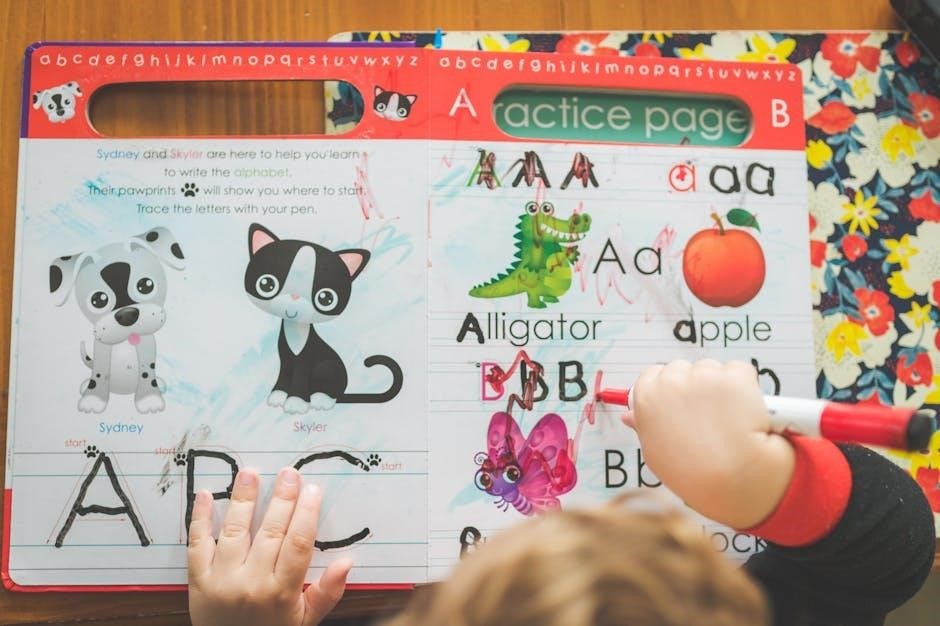
Alphabet coloring pages A-Z PDF offer a delightful blend of education and entertainment for young learners. These readily available resources provide a fun, accessible way to introduce children to the alphabet.

Downloading is simple, offering instant access to a world of coloring possibilities, fostering letter recognition and pre-writing skills through engaging visuals.

What are Alphabet Coloring Pages?

Alphabet coloring pages A-Z are printable sheets featuring each letter of the alphabet, often accompanied by illustrations of objects beginning with that letter. These pages aren’t merely artistic outlets; they’re carefully designed educational tools.

Typically available as PDF downloads, they offer convenience and accessibility for parents and educators. Each page focuses on a single letter, reinforcing its shape and sound through visual association. You’ll find charming characters like a happy Apple for ‘A’ or a sassy Zebra for ‘Z’, making learning interactive and enjoyable.

These pages are a low-prep activity, perfect for keeping little ones engaged while subtly introducing foundational literacy skills.

Benefits of Using Coloring Pages for Learning

Alphabet coloring pages A-Z offer numerous cognitive benefits for young children. Coloring enhances fine motor skills, hand-eye coordination, and concentration. More importantly, these pages actively support letter recognition and phonological awareness.

By associating letters with vibrant images – like a ‘B’ for Bear – children build stronger memory connections. The act of coloring itself can be a calming and creative outlet, fostering a positive attitude towards learning.

PDF format allows for repeated use, reinforcing concepts over time. They’re a fantastic pre-writing exercise, preparing little hands for handwriting.

Why Choose PDF Format?

PDF format is ideal for alphabet coloring pages A-Z due to its universal compatibility. A PDF ensures the pages print consistently across different devices and operating systems, maintaining the intended design quality.

Downloading a PDF provides instant access, eliminating the need for constant internet connection during use. It’s a secure and reliable format, preventing unwanted alterations to the coloring pages.

Furthermore, PDFs are easily printable at home, offering convenience and cost-effectiveness. You can print as many copies as needed, making it perfect for classrooms or multiple children!

Alphabet Coloring Pages: A-Z Breakdown

Alphabet coloring pages A-Z offer a systematic approach to learning. Each letter receives dedicated pages, often featuring themed illustrations to enhance engagement and memorization.

Letter A Coloring Pages

Letter A coloring pages kickstart the alphabet journey with vibrant and engaging designs! Commonly, these pages showcase themes like a cheerful Apple, a busy Ant, or even a brave Astronaut, providing diverse imagery for young learners.

These illustrations aren’t just visually appealing; they help associate the letter ‘A’ with familiar objects and concepts. The designs range in complexity, catering to different skill levels. Simpler outlines are perfect for toddlers, while more detailed images challenge older children.

Coloring ‘A’ with an apple reinforces the sound and shape, making learning interactive and fun. Printable PDF formats ensure easy access and unlimited coloring opportunities, fostering creativity alongside foundational literacy skills.

Themes for Letter A (Apple, Ant, Astronaut)

Exploring themes like Apple, Ant, and Astronaut for the letter ‘A’ provides varied learning experiences. An apple introduces a common fruit, linking the letter to everyday life. An ant showcases a fascinating insect, sparking curiosity about nature.

The astronaut theme broadens horizons, connecting ‘A’ with space exploration and imagination. These themes aren’t just random; they offer opportunities to discuss colors, shapes, and sounds. Each image encourages storytelling and vocabulary building.

PDF coloring pages featuring these themes are easily accessible, offering a fun, low-prep activity. They support letter recognition and pre-writing skills, making learning enjoyable and effective for young children.

Letter B Coloring Pages

Letter B coloring pages offer a continuation of the alphabet learning journey, building upon the foundation established with Letter A. These pages typically feature engaging images starting with ‘B’, such as a Bear, a Ball, or a beautiful Butterfly.

These themes are chosen to be relatable and visually appealing to young children, fostering a positive association with learning. Coloring these images helps reinforce letter recognition and sound association. The PDF format ensures easy access and printing for convenient use at home or in the classroom.

These pages are more than just coloring; they’re a stepping stone to literacy!

Themes for Letter B (Bear, Ball, Butterfly)

Choosing themes like Bear, Ball, and Butterfly for the letter ‘B’ coloring pages maximizes engagement for young children. A cuddly Bear provides a familiar and comforting image, while a bright Ball introduces a playful element. The delicate Butterfly adds a touch of beauty and encourages fine motor skill development.

These themes are selected for their simplicity and recognizability, aiding in letter-sound association. The PDF format allows for easy printing and repeated use, reinforcing learning through fun and creative expression. These images spark imagination and make learning the alphabet enjoyable!

Letter C Coloring Pages

Letter C coloring pages present a fantastic opportunity to reinforce learning with captivating imagery. Common themes include a cheerful Cat, a speedy Car, and a regal Crown. These recognizable objects help children associate the letter ‘C’ with its corresponding sound in a visually stimulating way.

PDF format ensures easy access and printing for repeated practice. The designs can range from simple outlines for younger children to more detailed illustrations for those with developing fine motor skills. Coloring these pages fosters creativity while solidifying letter recognition and pre-writing abilities.

Themes for Letter C (Cat, Car, Crown)

Exploring themes like Cat, Car, and Crown for the letter ‘C’ provides diverse learning experiences. A playful Cat encourages children to connect the letter with a familiar animal, while a vibrant Car introduces a common vehicle. The majestic Crown adds a touch of fantasy and royalty.

These themes aren’t just visually appealing; they stimulate vocabulary development and storytelling. Coloring a cat might lead to discussions about pets, while a car can spark conversations about transportation. PDF coloring pages offer readily available, printable options for these engaging themes.

Letter D Coloring Pages

Letter D coloring pages present exciting opportunities for learning and creativity! Common themes include a friendly Dog, a cheerful Duck, and a roaring Dinosaur – captivating images for young children. These pages aren’t simply about coloring within the lines; they’re about associating the letter ‘D’ with recognizable objects.

PDF format ensures easy access and printing for countless coloring sessions. These printable resources help develop fine motor skills and letter recognition. The variety of designs, from simple outlines to more detailed illustrations, caters to different skill levels, making learning fun and accessible.

Themes for Letter D (Dog, Duck, Dinosaur)

Dog coloring pages often feature playful puppies, encouraging children to explore different breeds and expressions. Duck designs showcase adorable waterfowl, perfect for introducing concepts like ponds and nature. The mighty Dinosaur provides a thrilling coloring experience, sparking imagination and a love for prehistoric creatures.

These themes aren’t just visually appealing; they’re educational tools. They help children connect the letter ‘D’ with concrete objects, reinforcing letter-sound association. Printable PDF formats allow for repeated use, fostering creativity and skill development. These themes offer a fantastic starting point for alphabet learning!

Letter E-H Coloring Pages

Combining themes for letters E through H streamlines learning and provides variety. Expect to find engaging designs featuring Elephants, Eggs, and Eagles for the letter ‘E’. For ‘F’, Fish, Flowers, and Foxes offer colorful options. ‘G’ brings Grapes, Giraffes, and Ghosts, while ‘H’ showcases Horses, Hats, and Houses.

These pages are designed to maintain children’s interest while reinforcing letter recognition. PDF format ensures easy printing and repeated use. The variety keeps the learning process fresh and exciting, encouraging continued engagement with the alphabet. These combined themes offer a balanced and efficient approach to early literacy.

Combined Themes for Efficiency

Grouping letters like E-H into single coloring page sets maximizes learning potential and minimizes preparation time; This approach allows for a broader range of thematic connections, fostering creativity and reinforcing multiple letter associations simultaneously. Instead of isolated letter practice, children explore related concepts – animals, objects, and scenes.

PDF format supports easy printing and distribution, making these combined themes incredibly convenient for parents and educators. This efficient method streamlines the learning process, ensuring children remain engaged without feeling overwhelmed. It’s a practical solution for busy schedules and diverse learning environments.

Letter I-L Coloring Pages

Focusing on simpler shapes is key when introducing letters I through L to younger children. These pages prioritize clear outlines and recognizable forms, building confidence and foundational skills. Themes like Ice cream (I), Lion (L), and simple illustrations of Jellyfish (J) and Kites (K) are ideal.

PDF accessibility ensures easy printing for repeated practice. The designs are intentionally less complex, allowing children to successfully complete each page, fostering a positive learning experience. This stage emphasizes letter recognition and basic coloring skills, preparing them for more intricate designs later on.

Focus on Simpler Shapes for Younger Children

Early learning benefits greatly from coloring pages featuring bold outlines and uncomplicated designs. For toddlers and preschoolers, intricate details can be frustrating. Simpler shapes allow them to stay within the lines and experience success, boosting their confidence.

Letter recognition is enhanced when the form of the letter itself is clear and uncluttered. Pages focusing on basic shapes associated with each letter – a round ‘O’ or a straight ‘I’ – reinforce visual memory. PDF format provides readily available, printable resources for consistent practice, supporting early literacy development.

Letter M-P Coloring Pages

Moving into the latter half of the alphabet, coloring pages for letters M-P begin to introduce slightly more complex designs. Themes like Monkeys, Mushrooms, and Mountains for ‘M’, Penguins and Pumpkins for ‘P’ offer engaging visuals.

These pages subtly increase the challenge, incorporating more details within the illustrations while still remaining accessible for young children. The PDF format ensures crisp, clear lines for easy coloring. This section aims to build upon previously learned skills, fostering creativity and reinforcing letter-sound association through fun, themed artwork.

Increasing Complexity of Designs

As children progress through the alphabet coloring pages, the designs gradually become more intricate. This intentional increase in complexity helps to develop fine motor skills and concentration. Details within the illustrations, like patterns on a penguin or textures on a pumpkin, encourage more focused coloring.

The PDF format allows for high-resolution images, ensuring these details are clear and defined. This stage isn’t about overwhelming children, but rather challenging them in a supportive way, building confidence and artistic ability alongside letter recognition.

Letter Q-T Coloring Pages

Reaching letters Q-T introduces more unique letter forms, presenting a fresh challenge for young colorists. Themes for these pages often include quirky characters like a Queen, a playful Turtle, and a towering Tree. These images offer opportunities to explore different shapes and textures through coloring.

The PDF coloring pages at this stage may incorporate slightly more detailed illustrations, encouraging focused attention. This section aims to solidify letter recognition while simultaneously fostering creativity and fine motor skill development. Variety in design keeps the learning process engaging and fun.

Introducing More Unique Letter Forms

Letters like Q, U, and X present unique challenges due to their less common shapes. Alphabet coloring pages specifically target these forms, helping children differentiate them from similar-looking letters. The PDF format allows for repeated practice and reinforces visual memory.

Illustrations accompanying these letters often feature objects starting with those sounds – a Quail for Q, an Umbrella for U, and an Xylophone for X. This association strengthens phonics skills alongside letter recognition. Engaging designs and vibrant colors make learning these trickier letters enjoyable and effective.

Letter U-Z Coloring Pages

The final stretch of the alphabet, from U to Z, offers opportunities for diverse and creative coloring pages. Themes for these letters often include unique animals and objects – Umbrellas, Vultures, Walruses, X-ray fish, Yaks, and Zebras. These PDF coloring pages provide a fun way to reinforce letter recognition and phonetic sounds.

Designs can range from simple outlines for younger children to more intricate patterns for older kids. The variety keeps the learning process engaging. Alphabet coloring pages in PDF format are easily printable, allowing for endless practice and artistic expression as children master the final letters.

Final Letters and Design Variety

Reaching the end of the alphabet doesn’t mean a decline in creativity! PDF coloring pages for letters U-Z often showcase a wider range of design complexity. Expect to find detailed illustrations alongside simpler outlines, catering to different skill levels.

Themes become more imaginative – think unique vehicles, whimsical creatures, and abstract patterns. This variety keeps children engaged and encourages artistic exploration. Alphabet coloring pages in PDF format provide a fantastic opportunity to reinforce letter recognition while fostering creativity and fine motor skills, completing the A-Z journey.

Downloading and Printing Alphabet Coloring Pages

Alphabet coloring pages A-Z PDF files are easily found online, offering free resources for parents and educators. Printing is straightforward, utilizing standard home printers.

Finding Free PDF Resources Online

Locating free alphabet coloring pages A-Z in PDF format is remarkably easy with a quick online search; Numerous websites specialize in printable activities for children, offering extensive collections. A simple Google search using keywords like “free alphabet coloring pages PDF” or “printable ABC coloring sheets” will yield a wealth of options.

Many educational websites and blogs dedicated to early childhood education also provide these resources. Pinterest is another excellent platform, often linking to downloadable PDFs. Be sure to preview the pages before downloading to ensure they align with your child’s learning level and interests. Remember to exercise caution and download from reputable sources to avoid potential security risks.

Ensuring PDF Compatibility

Alphabet coloring pages A-Z in PDF format are generally designed for broad compatibility, but occasional issues can arise. Most modern computers and tablets have built-in PDF readers like Adobe Acrobat Reader, which is freely available for download. If you encounter problems opening a PDF, ensure you have the latest version of a PDF reader installed.

Occasionally, older devices or operating systems may require updates or alternative PDF viewers. If printing, verify your printer supports PDF files directly. US Letter sized pages are standard, but some PDFs might be formatted differently; check before printing to avoid scaling issues.

Printer Settings for Optimal Results

Alphabet coloring pages A-Z PDFs are best printed with specific settings for vibrant results. Select “high-quality” print settings in your printer dialogue box to ensure crisp lines and clear images. Choose “full size” or “actual size” to avoid scaling, maintaining the intended dimensions of the coloring pages.

For optimal color, use standard white printer paper. Experiment with different paper weights if desired, but standard 20lb paper works well. Preview the print before finalizing to confirm alignment and image quality. Consider using color-saving mode if you want to reduce ink consumption, though this may slightly dull the colors.

Tips for Using Alphabet Coloring Pages

Alphabet coloring pages A-Z PDF enhance learning when integrated with letter recognition activities and pre-writing exercises, making education fun and engaging for children.

Integrating with Letter Recognition Activities

Alphabet coloring pages A-Z PDF are powerfully effective when combined with direct letter recognition practice. After a child colors a page featuring the letter ‘A’, for example, reinforce learning by asking them to identify other ‘A’s in books or around the room.

Turn it into a game! Create flashcards with uppercase and lowercase ‘A’s and have the child match them to the colored page. You can also use alphabet blocks or magnetic letters alongside the coloring activity.

Encourage the child to say the letter’s sound as they color and identify it, solidifying the connection between the visual form, the name, and the phonetic sound. This multi-sensory approach boosts retention and makes learning enjoyable.

Using Coloring as a Pre-Writing Exercise

Alphabet coloring pages A-Z PDF are excellent tools for developing the fine motor skills crucial for handwriting. The act of holding a crayon and staying within the lines strengthens the small muscles in a child’s hand and improves hand-eye coordination.

Before even attempting to form letters, coloring helps establish control and precision. Encourage proper pencil grip while coloring.

As children progress, suggest tracing the letter outlines after coloring, bridging the gap to letter formation. This builds muscle memory and confidence, making the transition to writing smoother and more successful. It’s a fun, low-pressure way to prepare for writing!

Making it a Fun and Engaging Experience

Alphabet coloring pages A-Z PDF should be a joyful activity, not a chore! Turn coloring into a game by timing how quickly a page can be completed (without sacrificing neatness). Introduce themed coloring sessions – “Color all the letters like a rainbow!” or “Color only using shades of blue.”

Play alphabet songs while coloring, reinforcing letter sounds. Encourage storytelling – “What adventures is the Apple having?”

Celebrate completed pages with praise and display artwork proudly. Remember, the goal is to foster a positive association with learning the alphabet through creative expression and playful interaction.

Beyond Basic Coloring

Alphabet coloring pages A-Z PDF inspire creativity beyond just coloring! Add glitter, stickers, or transform pages into alphabet-themed crafts for extended learning fun.

Adding Glitter, Stickers, and Other Decorations

Alphabet coloring pages A-Z PDF become truly special with added embellishments! Encourage children to move beyond crayons and markers by incorporating glitter for a sparkling effect, especially on letters like ‘A’ for Apple or ‘S’ for Star.

Stickers, particularly those related to the letter’s theme (bears for ‘B’, cats for ‘C’), enhance recognition and fine motor skills. Consider using small pom-poms, sequins, or even cut-out shapes from magazines to create textured artwork.

These additions transform a simple coloring activity into a multi-sensory experience, boosting engagement and fostering a deeper connection with the alphabet. Remember to supervise younger children when using glitter or small objects.

Creating Alphabet-Themed Crafts

Alphabet coloring pages A-Z PDF serve as fantastic templates for extending learning into hands-on crafts! Once colored, letters can be cut out and used to create personalized alphabet banners or garlands, decorating bedrooms or learning spaces.

Children can glue their colored letters onto cardstock to make alphabet flashcards, reinforcing letter recognition. Consider creating an alphabet book by binding together colored pages, adding simple words starting with each letter.

For a 3D effect, fold and glue pages to form alphabet blocks. These crafts not only enhance creativity but also solidify understanding of letter shapes and sounds in a fun, tangible way.

Alphabet Coloring Pages for Different Age Groups

Alphabet coloring pages A-Z PDF cater to a wide range of ages with varying complexity. Toddlers benefit from simpler designs with large letter outlines, focusing on basic color recognition and grip development.

Preschoolers can tackle pages with more intricate details and themes, enhancing fine motor skills and letter association. For kindergarteners, pages incorporating early writing practice – tracing letters or writing simple words – are ideal.

Older children can enjoy more complex scenes within each letter, fostering creativity and reinforcing alphabetical order. Adapt the activity to the child’s skill level for optimal engagement and learning.

Posted in PDF