
stick marsh & headwaters lake fishing guide

Stick Marsh & Headwaters Lake Overview
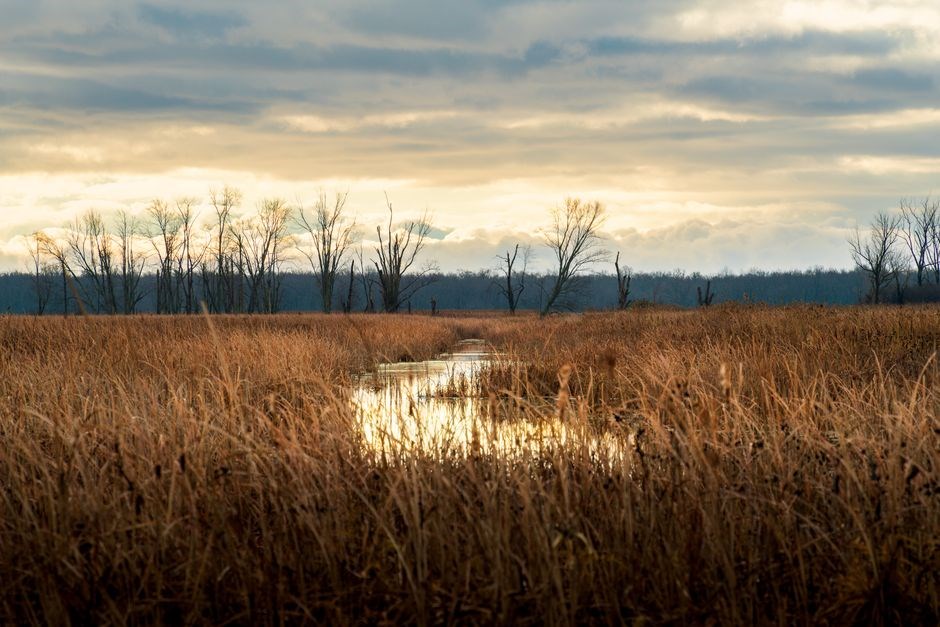
Stick Marsh & Headwaters Lake form a 3,000‑acre Central Florida water system, prized for trophy largemouth bass. The lakes offer varied habitats—sparse grass in Stick Marsh irrigation canals and lush, diverse cover in Headwaters—making them a hotspot for anglers seeking big bass. Ideal for novice anglers, pros

Central Florida’s 3,000‑acre water system known for trophy largemouth bass and diverse habitats

Stick Marsh and Headwaters Lake together form a 3,000‑acre system that attracts anglers seeking trophy largemouth bass. The lakes offer a mix of shallow flats, deep drop‑offs, and irrigation canals that create a mosaic of cover for bass to thrive. Water clarity is generally good, with temperatures ranging from the mid‑70s in summer to the mid‑50s in winter, creating ideal conditions for feeding. Bass thrive on cover such as brush piles, submerged logs, and weed‑rich flats, making the lake a hotspot for aggressive feeding. Anglers can use crankbaits in canals, jigs near grass edges, and live bait on dropoffs to target the biggest bass. The best times are early morning and late afternoon, when bass are most active and water movement is minimal. Florida’s licensing laws require a valid state license, and catch limits apply to protect the fishery’s long‑term health. The lake’s clear water and abundant cover make it a prime spot for both experienced and novice bass anglers. Local guides and charter services provide expert advice on the best lures, techniques, and timing for each season. With its abundant resources, Stick Marsh and Headwaters Lake remain a top destination for bass fishing enthusiasts across the Treasure Coast. The lake’s ecosystem is supported by surrounding pine flatwoods and cypress swamps, which provide shade and additional cover for bass. During the day, bass often patrol the drop‑offs, while at night they shift to the deeper channels where they can ambush unsuspecting prey. Enjoy the serene setting and the thrill of the catch right now;
Access & Launch Ramps

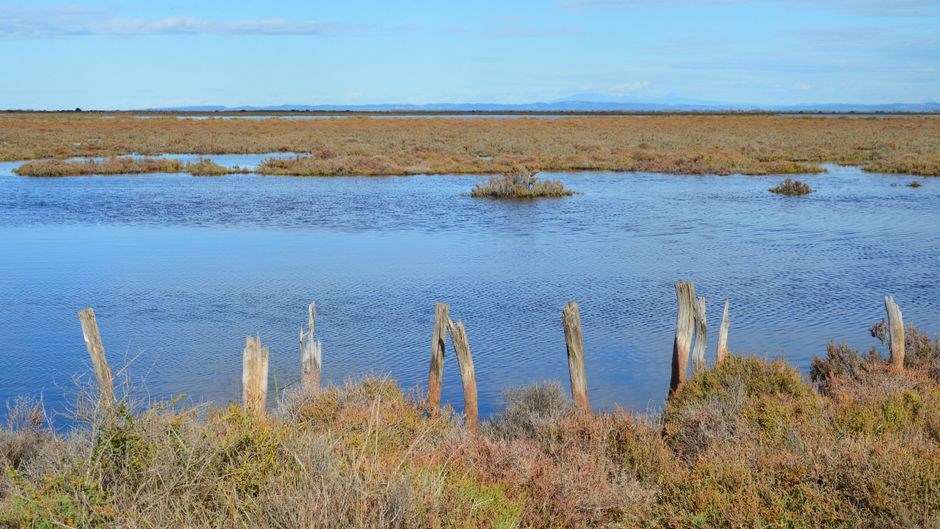
Access to Stick Marsh and Headwaters is convenient with several launch points near Fellsmere. A temporary ramp will be open from June 10 to 20, while permanent private docks provide options for boaters. All launch sites require a valid Florida fishing license. County maintenance ensures safe access. anglers.OK

Multiple launch points near Fellsmere, including a temporary ramp open June 10‑20 and private docks

Access to Stick Marsh and Headwaters Lake is straightforward, with launch sites clustered around Fellsmere. The main public ramp, located on County Road 70, will be available from June 10 to June 20, providing a temporary verybut well‑maintained entry for power and personal watercraft. This ramp features a flat, gravel approach, a marked parking zone, and a small dock that can accommodate up to 20 boats. During the ramp’s open window, visitors can bring their own trailers or use the county’s tow‑in service, which operates on a first‑come, first‑served basis. The temporary ramp is designed to handle a high volume of traffic, with clear signage indicating safe entry points and a dedicated safety patrol during peak hours. For those who prefer a more experience, a handful of docks are scattered along the shoreline. These privately owned access points are typically managed by local fishing clubs or individual landowners, and they offer a quieter, more secluded launch environment; Each private dock is equipped with a small platform, a secure tie‑down area, and a modest storage shed for gear. While the public ramp is free to use, private docks often require a nominal fee or membership to access, and they may have specific operating hours to preserve the natural habitat. All launch points are compliant with Florida’s environmental regulations, ensuring that the surrounding wetlands remain protected. Anglers should verify the current status of each ramp or dock before heading out, as maintenance schedules or weather events can occasionally alter access. By combining the convenience of the temporary ramp with the intimacy of private docks, anglers can tailor their launch experience to match their fishing style and desired level of solitude.
Target Species: Largemouth Bass

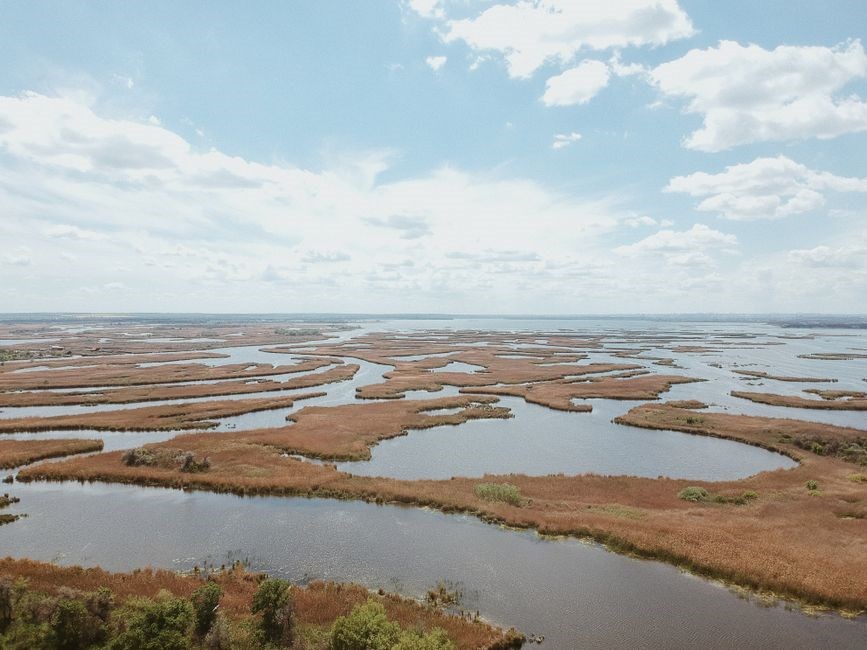
Largemouth bass dominate Stick Marsh and Headwaters Lake, with trophy specimens reaching 20 lbs. Anglers find the biggest fish near dense cover and cooler water, especially around irrigation canals and grass edges. Focus on drop‑off ambush points for maximum success. Ideal for both beginners and seasoned anglers. now.

Big bass up to 20 lbs, influenced by cover type and water temperature

Big bass up to 20 lbs are a hallmark of Stick Marsh and Headwaters Lake. Anglers consistently report trophy specimens when targeting the right cover and water temperature. In Stick Marsh, sparse grass and irrigation canals create a low‑cover environment that forces bass to congregate around the few remaining structures. The canals’ slow currents and moderate depths provide ideal thermal refuges, especially during hot afternoons. When water temperatures hover between 78 °F and 82 °F, bass become more active, feeding aggressively on the limited forage. In contrast, Headwaters Lake’s abundant grass beds, submerged vegetation, and varied drop‑offs create a high‑cover habitat that supports larger fish. The lake’s deeper pockets retain cooler water, allowing bass to maintain higher metabolic rates and grow larger. During early spring, when temperatures dip to the mid‑70s, bass are more likely to feed near the edges of the grass beds, taking advantage of the cooler water. As summer progresses and temperatures rise, the fish move toward deeper, cooler channels and the edges of the canals, where they can ambush prey. The combination of cover type and temperature not only influences where bass are located but also how they behave. Understanding these subtle shifts is essential for anglers seeking biggest catch. By matching the right bait or lure to the specific cover and temperature conditions, you can increase your chances of hooking a 20‑lb trophy. Pay close attention to water temperature and type of cover present; aligning tactics with natural preferences of the bass, heavily influenced by cover and thermal profile, yields best results today.
Habitat & Cover Types

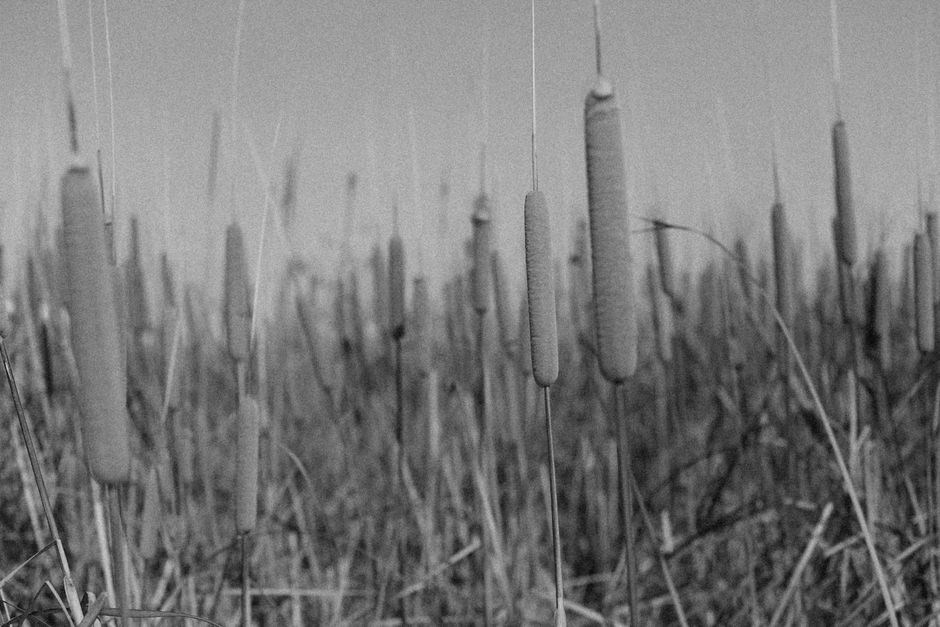
Stick Marsh has sparse grass and irrigation canals, creating a low‑cover setting that funnels bass into the few remaining channels. Headwaters Lake boasts abundant grass beds and varied cover, from submerged vegetation to drop‑offs, offering hiding spots feeding for large bass!!!!

Stick Marsh: sparse grass, relies on irrigation canals; Headwaters: abundant grass and varied cover

Stick Marsh’s landscape is dominated by a network of irrigation canals that cut through a largely treeless plain. The canals, with shallow, slow‑moving water, form the primary structure for bass to exploit. In the absence of extensive emergent vegetation, bass concentrate around the edges of these channels, using the slight drop‑offs and subtle depth changes to ambush prey. Anglers find the best spots at the corners of the canals where the water slows and the current creates a natural “bowl” that holds bait fish.

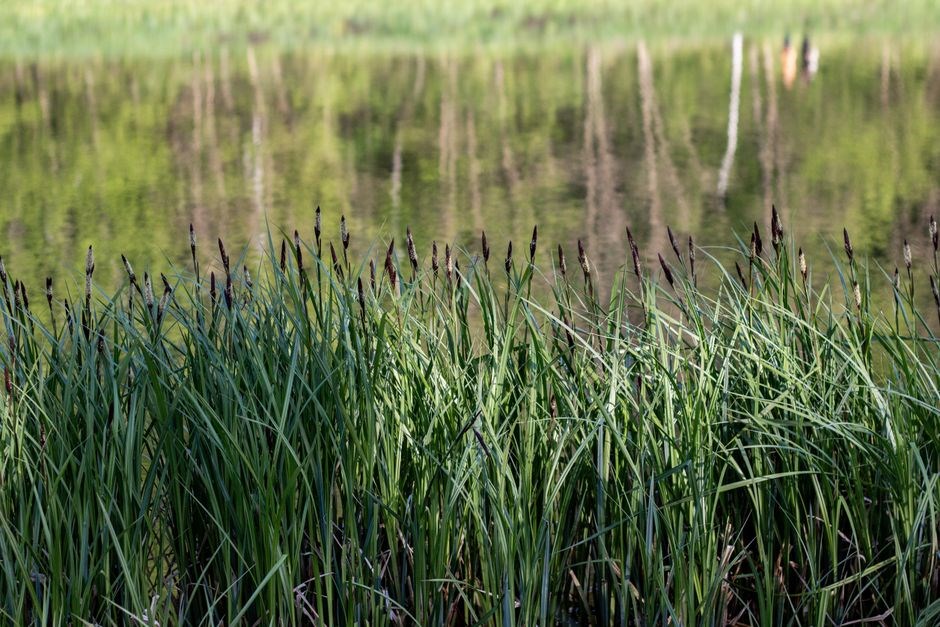
Headwaters Lake presents a diverse mosaic of aquatic vegetation. The shoreline is lined with dense grass beds that extend several feet into the water, interspersed with patches of submerged weeds and occasional emergent cattails. These varied cover types provide multiple layers of hiding spots for bass, from shallow weed beds to deeper, more open water. Anglers often target the transition zones where the grass thins out, as these are prime ambush points for bass looking to strike on unsuspecting prey.

Both lakes offer unique challenges. Stick Marsh’s minimal cover forces bass to rely on the structural cues of the canals, while Headwaters’ lush vegetation creates a complex habitat that supports larger, more elusive fish. Understanding these differences is key to developing a successful fishing strategy for each lake. This knowledge helps anglers choose the right lure size and retrieve speed for each environment. Seasonal shifts also alter cover density, requiring adjustments to tactics throughout the year. And the times are early morning and late afternoon.
Fishing Techniques & Baits

Use crankbaits in canals, jigs near grass edges, live bait at dropoffs. Focus on ambush points. Adjust lure size to water depth, retrieve speed to cover type. Early morning and late afternoon are prime times. Use soft plastic worms in shallow grass, live minnows near dropoffs

Crankbaits in canals, jigs at grass edges, live bait near dropoffs; focus on dropoff ambush points

Crankbaits are the go‑to lure for the narrow, sandy canals of Stick Marsh. A 2‑to‑3‑inch spinner‑head crankbait in a natural color such as “Blue‑Green” or “Pale Yellow” will mimic a small baitfish that moves with the current. Retrieve at a steady 1‑to‑2 ft/s, pausing every 2–3 ft to let the tip “pop” against the canal bottom. Bass in these channels often sit just below the surface, so a short, slow retrieve keeps the lure within striking distance. In Headwaters, where the canals are deeper, try a 4‑inch crankbait with a “black‑blue” finish; the added length allows the lure to travel further before it stalls, giving bass a larger target area.
Jigs work best along the grassy edges that border the canals. A 1‑inch soft‑plastic jig tipped with a ½‑oz. rubber ball or a small live minnow will trigger a reaction from bass that are hiding in the weed beds. Cast the jig to the edge of the grass, then let it sink to the bottom before pulling back in a slow, steady motion. The key is to keep the jig close to the cover; bass will strike when the jig mimics a struggling prey. In Headwaters, where the grass is thicker, use a 1½‑inch jig and a 1‑oz. ball to increase the lure’s visibility.

Live bait is the most reliable method for targeting bass at dropoffs. A live shiner or a small pinfish placed on a ¾‑inch line at the point where the water drops from a shallow weed bed to a deeper pool will create a natural ambush point. Bass will often hold near the dropoff, waiting for the bait to drift into their line of sight. In Stick Marsh, the dropoffs are usually shallow, so a 1‑inch minnow is sufficient. In Headwaters, the dropoffs can be deeper, so a 2‑inch minnow or a small live trout will provide the necessary depth and scent.

The focus on dropoff ambush points is critical. Bass tend to hold near the transition between shallow and deep water, using the dropoff as a natural funnel. By placing crankbaits in the canals, jigs along the grass edges, and live bait at the dropoffs, you cover the most productive areas of both lakes. Timing is also essential; early morning and late afternoon when the water is cooler and the bass are more active will increase your chances of a big catch.

Remember to adjust your tactics based on water temperature and clarity. In warmer water, bass will move to deeper, cooler pools, making the dropoffs even more productive. In cooler water, they may stay in the shallows, so focus more on the canals and grass edges. By combining these techniques, you’ll maximize your chances of hooking trophy largemouth bass in both Stick Marsh and Headwaters.

Seasonal & Regulatory Considerations

Early mornings and late afternoons are prime times for bass. A valid Florida fishing license is mandatory. Adhere to daily catch limits and respect protected species. Seasonal closures may apply; check local regulations before heading out. Remember to observe seasonal closures and stay within the 10‑lb daily limit US

Best fishing early morning/late afternoon; Florida license required, catch limits and protected species rules apply

Optimal windows for bass in Stick Marsh and Headwaters are the low‑light periods just before sunrise and after sunset. During these times water temperatures are cooler, fish are more active, and the reduced light makes it harder for predators to spot anglers. A Florida fishing license is mandatory for anyone 16 or older; the state offers a 30‑day temporary license for visitors. Catch limits are set at 10 bass per day, with a 20‑lb bag limit for larger specimens. The state also protects certain species such as the Florida largemouth bass in specific habitats; anglers must release any fish that appear to be a protected species. Always check the latest regulations on the Florida Fish & Wildlife Conservation Commission website before heading out, as limits can change with water conditions or conservation needs. Proper compliance ensures a sustainable fishery for future generations. Anglers often use jigs, crankbaits, and live minnows, with success rates highest when the fish are feeding near dropoffs. The water temperature range for peak bass activity is 68–75°F; temperatures outside this range reduce feeding. During the spring and fall, the lake may be subject to temporary fishing restrictions to protect spawning runs; always verify with local authorities. If you catch a fish that appears to be a protected species, such as the endangered Florida largemouth bass, you must immediately release it and report to the Florida Fish & Wildlife Conservation Commission. The 30‑day temporary license can be purchased online or at local sporting goods stores; it covers all water bodies in the state. Remember to bring a valid ID, a properly labeled tackle box, and a waterproof phone case for safety.
Resources & Planning Tools

Use FloridaTreasureCoastFishing.com for up‑to‑date lake maps, fishing reports, and charter listings. Yahoo’s local forums share recent bass catches and weather tips. Online GIS tools show depth contours, dropoff zones, and protected areas. Combine these resources for a good plan.

FloridaTreasureCoastFishing.com, Yahoo, local forums, and online maps for up‑to‑date info

FloridaTreasureCoastFishing.com offers real‑time lake maps, fishing reports, and charter schedules for Stick Marsh and Headwaters. The site’s interactive depth charts highlight dropoff zones and cover types, while the live‑stream feature lets anglers see current conditions. Yahoo’s local forums provide anecdotal tips, recent catch photos, and weather updates from fellow fishermen in the Fellsmere area. Community‑generated data on bass size and location helps plan targeted outings. Online mapping services such as Google Maps and ArcGIS display the exact locations of launch ramps, private docks, and irrigation canals, allowing precise navigation. By cross‑referencing these resources, anglers can identify optimal fishing spots, avoid restricted zones, and stay informed about temporary ramp closures or water‑level changes. The combination of official lake data, user‑submitted reports, and mapping tools creates a comprehensive planning toolkit that maximizes success and minimizes surprises on the water. Before heading out, check the latest weather forecast and water‑level updates; a sudden rise can change bass behavior. Wear a life jacket, keep a first‑aid kit handy, and respect the lake’s protected zones. If you’re new, consider a guided tour to learn local nuances. After a day on the water, clean your gear, store bait properly, and report any unusual fish activity to the local fish and wildlife agency. Remember to check the regulations and keep your license at times.


pokémon adventures manga pdf

This guide explores the world of Pokémon Adventures manga PDFs, outlining how to access, evaluate, and enjoy digital copies responsibly. It offers practical tips for readers, from scanning quality to navigation, ensuring a smooth, immersive experience for fans worldwide; Join fan forums for updates now

1.1 Purpose of the Guide

This guide serves as a comprehensive resource for fans of Pokémon Adventures who seek high‑quality PDF versions of the manga.This guide serves as a comprehensive resource for fans of Pokémon Adventures who seek high‑quality PDF versions of the manga.This guide serves as a comprehensive resource for fans of Pokémon Adventures who seek high‑quality PDF versions of the manga.This guide serves as a comprehensive resource for fans of Pokémon Adventures who seek high‑quality PDF versions of the manga.This guide serves as a comprehensive resource for fans of Pokémon Adventures who seek high‑quality PDF versions of the manga.This guide serves as a comprehensive resource for fans of Pokémon Adventures who seek high‑quality PDF versions of the manga.This guide serves as a comprehensive resource for fans of Pokémon Adventures who seek high‑quality PDF versions of the manga.This guide serves as a comprehensive resource for fans of Pokémon Adventures who seek high‑quality PDF versions of the manga.This guide serves as a comprehensive resource for fans of Pokémon Adventures who seek high‑quality PDF versions of the manga.This guide serves as a comprehensive resource for fans of Pokémon Adventures who seek high‑quality PDF versions of the manga.This guide serves as a comprehensive resource for fans of Pokémon Adventures who seek high‑quality PDF versions of the manga.This guide serves as a comprehensive resource for fans of Pokémon Adventures who seek high‑quality PDF versions of the manga.The guide also covers legal acquisition methods, scanning standards, and community resources.More!!

What Is Pokémon Adventures Manga?

Pokémon Adventures, also called Pokémon Special, is a manga that follows the game’s heroes through bold storylines, intense battles, and character growth. It diverges from the anime, delivering a richer, more mature narrative for dedicated fans worldwide!!!

2.1 Publication History and Timeline

Since its debut in 1997, Pokémon Adventures has evolved through multiple publishers, each bringing distinct artistic styles and narrative depth. The original series, serialized in Japan’s Shōnen Jump, began with the Red/Blue arc, capturing the excitement of the first Pokémon games. As the franchise expanded, new arcs such as Gold/Silver, Ruby/Sapphire, and Black/White followed, each mirroring the latest game releases and introducing fresh characters and plot twists; The manga’s longevity is marked by its adaptability: it has been translated into numerous languages, licensed by different companies worldwide, and reissued in various formats, from single volumes to omnibus collections. Notably, the transition from the original publisher to a new one in the early 2010s allowed for a revitalized art direction and a renewed focus on fan feedback. Throughout its history, Pokémon Adventures has maintained a balance between staying true to the source material and offering original storylines that enrich the Pokémon universe; Its publication timeline reflects the broader evolution of the Pokémon brand, with each new generation of games inspiring a corresponding manga arc that both celebrates and expands upon the adventures of trainers and their Pokémon companions. With each new volume, fans discover new lore that keeps the series engaging for both newcomers and long‑time followers, ensuring Pokémon Adventures remains a staple of manga culture worldwide.!!

2.2 Main Story Arcs and Volumes

Pokémon Adventures is divided into distinct arcs that align with the game releases, each arc spanning multiple volumes. The Red/Blue arc introduces the protagonist, Red, and his journey to become a champion, spanning 12 volumes and featuring the classic Pokémon roster. The Gold/Silver arc follows Red’s rival, Gold, and the legendary Pokémon, covering 10 volumes and adding depth to the lore; Ruby/Sapphire continues with new protagonists, Ruby and Sapphire, across 9 volumes, exploring the Hoenn region’s mysteries. The Diamond/Pearl arc, spanning 8 volumes, focuses on the Sinnoh region’s challenges and the emergence of the powerful Pokémon, Dialga and Palkia. Black/White, with 7 volumes, presents a fresh narrative in Unova, highlighting the conflict between the Pokémon League and the villainous Team Plasma. X/Y, covering 6 volumes, introduces the Kalos region’s elegance and the legendary Xerneas. Sun/Moon, spanning 5 volumes, shifts the focus to the Alola region, with a lighter tone and new Pokémon. Sword/Shield, the latest arc, includes 4 volumes that explore Galar’s competitive scene and the return of legendary Pokémon. Each arc’s volumes are numbered sequentially, allowing readers to follow the storyline in chronological order while enjoying the evolving art style and character development that define Pokémon Adventures. Fans appreciate how each arc not only mirrors the games’ mechanics but also expands the lore with original side quests, character growth, and unexpected twists that keep the series fresh and engaging.

Legal Sources for Pokémon Adventures PDFs

Official platforms such as VIZ Media, Shueisha’s Manga Plus, and the Pokémon Company’s e‑store provide PDF versions. These services ensure quality scans, regular updates, and support for creators, offering subscription‑based or per‑volume purchases!

3.1 Official Digital Platforms

Several reputable services distribute Pokémon Adventures in a legal PDF format, guaranteeing high‑resolution scans, regular updates, and support for the original creators. VIZ Media’s Shonen Jump platform offers a subscription that includes the entire series, refreshed weekly as new chapters are released in Japan. Manga Plus by Shueisha provides free access to the latest chapters and a paid option for back‑catalog volumes, all presented in clean, searchable PDFs that retain original artwork and dialogue. The official Pokémon e‑store sells individual volumes as downloadable PDFs, often bundled with exclusive bonus content such as author notes or color pages. Amazon Kindle Unlimited and Kindle Store also host the series, allowing readers to purchase single issues or subscribe for unlimited access, with Kindle’s native PDF viewer ensuring crisp page rendering. ComiXology, now integrated with Amazon, lists the manga under its “Manga” category, offering both per‑volume purchases and a subscription model that grants unlimited reading across devices. Each platform employs DRM that protects the files while still permitting offline reading on authorized devices, and most provide features like bookmarking, zoom, and night‑mode to enhance comfort. When choosing a service, consider factors such as regional availability, price structure, and whether the platform supports automatic synchronization of reading progress across smartphones, tablets, and computers. Choose wisely 🙂

3.2 Purchasing Individual PDFs

When you prefer to own each volume of Pokémon Adventures as a standalone PDF, several legitimate avenues exist. The official VIZ website sells digital copies per volume; after purchase, the file is added to your VIZ library and can be downloaded in a high‑resolution PDF that preserves the original Japanese art and English translation. Shueisha’s Manga Plus store also offers “single‑volume bundles” where you pay a one‑time fee and receive a DRM‑free PDF via email, allowing unlimited device usage. Amazon’s Kindle Store lists each chapter and compiled volumes; selecting “Buy PDF” delivers a file compatible with Kindle apps and most PDF readers. For collectors who want a physical‑to‑digital hybrid, the Pokémon Company’s e‑shop occasionally releases “collector’s edition” PDFs that include extra commentary, color plates, and a certificate of authenticity. Independent retailers such as BookWalker and eBookJapan specialize in manga and provide a straightforward checkout process; they often run promotions that reduce the price of early‑release volumes. When buying, verify that the seller displays the ISBN, edition number, and a preview of the PDF’s quality to avoid low‑resolution scans. Payment methods typically include credit cards, PayPal, and region‑specific e‑wallets, and most platforms issue a receipt with a direct download link that remains active for at least 30 days. Keep a spreadsheet of purchases, noting date, price and file location, so you can find correct PDF later online..

Evaluating PDF Quality

Assess Pokémon Adventures PDFs by checking resolution, color fidelity, and file integrity. Look for 300‑600 dpi scans, sharp images, and clear text. Verify file size matches expectations and confirm no corruption or missing pages for a flawless read. and vivid colors for!

4.1 Scan Resolution and Image Clarity

When evaluating a Pokémon Adventures manga PDF, the scan resolution is the first technical indicator to scrutinize. A resolution of 300 dpi is the minimum standard for print‑ready quality, while 600 dpi or higher ensures fine line work and subtle shading remain crisp on both standard monitors and high‑resolution displays. For comic‑style artwork, the clarity of line art is paramount; blurry edges can obscure character expressions and dynamic action sequences, detracting from the narrative flow. To assess this, zoom into a page until the text is legible at 200 % zoom; if the lettering remains sharp and the panel borders stay crisp, the scan likely meets the 300 dpi threshold. Image clarity also hinges on color fidelity. Pokémon Adventures often features vibrant palettes that bring the world to life.very!. A good scan preserves the original hues without color banding or loss of saturation. Inspect character costumes; if they appear washed out or exhibit abrupt color transitions, the image may have been down‑sampled or compressed. Additionally, check for artifacts such as JPEG noise or blockiness around high‑contrast edges. These are telltale signs of a low‑quality scan that can distract the reader. In summary, a high‑quality Pokémon Adventures manga PDF will exhibit at least 300 dpi resolution, sharp line work, accurate color reproduction, and clear speech bubbles. By systematically checking these elements, readers can ensure they are enjoying the manga in a form that respects the original artwork and narrative intent.

4.2 Common Formatting Issues and Fixes

OCR layers that attempt to make text searchable often misinterpret Japanese characters, producing garbled strings. Disabling the OCR layer or replacing it with a clean text layer using a dedicated cleanup utility restores readability easily now! Many PDFs also lack proper metadata, causing e‑readers to show generic titles and omit chapter markers; adding Title, Author and Subject fields via a PDF editor improves library organization. Excessive image compression or inclusion of full‑resolution scans can inflate file size to hundreds of megabytes. Missing bookmarks hinder navigation; creating a hierarchical bookmark tree that mirrors volume and chapter divisions enables quick jumps. Free tools such as PDF‑outline editors let users import a simple text list and generate clickable entries instantly.

Enhancing the Reading Experience

Use a light PDF viewer that supports zoom, rotation, and page‑flip gestures. Set brightness and contrast to reduce eye strain and enable night mode for lowlight reading. Mark key chapters, annotate in color, and sync across devs for smooth continuity. Enjoy

5.1 Recommended PDF Readers and Settings

For Pokémon Adventures manga PDFs, choose a reader that balances performance with features. Adobe Acrobat Reader DC offers robust annotation tools, high‑resolution rendering, and cross‑platform sync; Foxit Reader is lightweight, supports dark mode, and allows custom page layouts. SumatraPDF excels on Windows with minimal memory usage, ideal for quick flips. On macOS, Preview provides seamless integration, while PDF Expert delivers advanced markup and export options. For Android, Moon+ Reader supports EPUB conversion and adjustable margins; on iOS, GoodReader offers extensive bookmarking and cloud sync. Settings to tweak: enable continuous scrolling for a manga‑style flow, turn on night mode to reduce blue light, and adjust zoom level to match your screen size. Use page‑flip gestures for a natural reading feel. Finally, enable automatic rotation so pages orient correctly when you tilt your device. Additionally, consider using the reader’s built‑in dictionary to look up unfamiliar terms, and enable auto‑save to prevent data loss. For large volumes, batch‑download PDFs and organize them into folders labeled by story arc. If you prefer a tactile feel, print the PDF at 300 dpi and bind the pages into a slim booklet. Finally, keep your software updated to benefit from security patches and new features. Remember to back up your files regularlydaily every

5.2 Annotation, Bookmarking, and Navigation Tools

Effective annotation, bookmarking, and navigation are essential for a smooth manga reading experience. Most modern PDF readers provide highlight, underline, and free‑hand drawing tools that let you mark favorite panels, note plot twists, or record character names. When working with Pokémon Adventures PDFs, use a distinct color for each story arc so you can quickly locate key moments across volumes. Bookmark each chapter as you finish it; most readers let you assign a custom name, which is perfect for labeling by episode number or gym leader encounter. Use the built‑in thumbnail pane to glance at page previews, and enable continuous scroll mode to mimic the flow of a physical manga. Keyboard shortcuts such as Ctrl+Shift+N (new bookmark) or Ctrl+F (search) speed up locating specific Pokémon names. For long arcs, create hierarchical bookmarks: main arc as a parent node, sub‑chapters as children. This structure mirrors the series’ progression and makes jumping between arcs effortless. Advanced navigation includes creating a table of contents using the PDF’s outline feature, linking each major saga to its start page. Enable right‑click page thumbnails to jump instantly, and set custom shortcuts for next‑chapter and previous‑chapter actions. Many readers also support split‑view, letting you compare two panels side‑by‑side, which is handy for spotting hidden details or artwork differences. Enjoy a seamless, immersive read every time you open volume.

Community and Additional Resources

Engage with fan forums, Discord servers, and Reddit threads to share insights, translations, and fan art. Explore Pokémon sites for updates, and use fan‑made wikis for guides. Collaborate on translation projects and stay connected through social media now!!

6.1 Fan Forums, Discussion Groups, and Translation Projects

Pokémon Adventures fans gather on forums like Reddit’s r/pokemon and MangaUpdates, discussing chapters and artwork. Members share high‑resolution scans, PDF links, and fan‑made translations, fostering a collaborative environment that respects copyright while celebrating the series.

Discussion groups on Discord and Telegram provide real‑time chat, allowing fans to coordinate reading schedules and exchange tips on navigating PDF collections. Moderators enforce guidelines, ensuring content remains legal and respectful.

Translation projects follow a structured workflow: a lead translator drafts, a proofreader reviews for accuracy, and a final editor polishes the language. Contributors use tools like Google Docs and GitHub to track changes. Once approved, chapters are uploaded to platforms such as FanFiction.net and Archive of Our Own. These collaborative efforts culminate community‑approved releases shared!!

Engaging with these communities not only enhances your reading experience but also supports the broader fan ecosystem. By participating in discussions, sharing resources, and contributing to translation efforts, you help preserve the legacy of Pokémon Adventures while ensuring that new generations can enjoy the manga in their native languages. Many members organize virtual reading parties, create fan art, and write detailed analyses of plot twists, which deepens appreciation and keeps the series vibrant across cultures.

Posted in PDF