Overview of the Crosman 760 Pumpmaster

The Crosman 760 Pumpmaster is a .177 caliber pneumatic rifle featuring a manual pump action and a 20‑shot capacity. Its user manual outlines safety warnings, assembly steps, and maintenance tips, emphasizing proper handling and regular cleaning to ensure reliable performance. Follow manual for safety now.
Safety and Usage Guidelines
Before use, read the manual’s safety warnings. Keep the barrel pointed away from people and animals, wear eye protection, and never point at faces. Store the pumpmaster unloaded and in a secure location. Follow pump‑action instructions carefully to avoid accidental discharge. Keep safe. now!
Safety Precautions
Before using the Crosman 760 Pumpmaster, read the manual’s safety warnings. Keep the muzzle pointed away from people and animals. Wear eye protection and store the rifle unloaded in a locked container when not in use. Ensure the air chamber is depressurized before cleaning. Do not disassemble the trigger unless qualified. Use only .177 BBs that meet the specified weight limits. Keep the pump handle in the “ready” position and avoid over‑pumping. If the rifle jams, follow the troubleshooting steps in the manual. Always keep the trigger guard in place to prevent accidental pulls. Follow these precautions to ensure safe and reliable operation.
When operating the Pumpmaster, always check that the safety lever is in the position before pumping. The pump handle should be fully depressed before each shot. Keep the rifle dry and avoid exposure to extreme temperatures, which can affect the air chamber pressure. Store BBs in a cool, dry place to maintain consistent performance. The Pumpmaster is designed for .177 caliber BBs only; using other calibers can damage the gun or cause injury. Follow the manufacturer’s cleaning schedule to prevent corrosion and ensure longevity.
If you notice any noise or vibration during operation, stop using the gun and consult a qualified technician. The Pumpmaster’s safety features are designed to provide reliable operation, maintenance and adherence to safety guidelines are essential for safe use. All users.
- Inspect the rifle for damage before use.
- Check the air chamber for cracks or leaks.
- Verify the safety lever is engaged when not firing.
- Use only recommended BBs to avoid pressure spikes.
Operating Instructions for Beginners
Start by ensuring the rifle is unloaded and the safety lever is engaged. Place a single .177 BB into the chamber, aligning it with the barrel. Close the chamber by sliding the bolt forward until it clicks. Pump the handle three to five times to build pressure; the manual recommends a minimum of 20 pumps for optimal performance. Once the pressure gauge reads the desired level, release the safety lever. Align the target, hold the rifle steady, and squeeze the trigger gently. The Pumpmaster’s trigger pull is light, so a firm but controlled squeeze will fire the BB. After firing, immediately pump the handle to reset the air chamber. Repeat the process for each shot, always checking the safety lever before each pump. If the rifle jams, follow the jam‑removal procedure in the manual: release the safety, open the chamber, remove the obstruction, and re‑close the bolt. Maintain a clean shooting environment by wiping the barrel with a dry cloth after each session. For the first few sessions, practice at a safe distance of at least 10 feet to develop accuracy. Remember to keep the rifle pointed in a safe direction and never point it at people or animals. When finished, lock the safety lever, pump the handle to relieve excess pressure, and store the rifle in a secure location. Regular practice and adherence to these steps will build confidence and ensure safe, reliable operation of the Crosman 760 Pumpmaster. Practice daily to improve accuracy Keep the rifle stored in a cool, dry place.! During storage, avoid direct sun!!.
Trigger and Firing Mechanism
The Crosman 760 Pumpmaster’s trigger is a simple, single‑stage lever that offers a light, consistent pull. The trigger is located on the left side of the stock and is designed to engage the firing pin when pulled forward. When the safety is disengaged, the trigger releases the firing pin, which strikes the primer of the compressed air chamber, initiating the BB’s launch. The trigger mechanism is calibrated to provide a smooth action that requires only a few ounces of force, making it ideal for beginners. The pull weight can be adjusted by tightening or loosening the trigger screw located on the side of the trigger guard. To adjust, turn the screw clockwise to increase pull weight or counterclockwise to decrease it. The trigger guard protects the trigger from accidental contact and should always be kept clear of fingers during operation. The firing mechanism is sealed to prevent air leaks, ensuring consistent velocity. If the rifle fails to fire, check that the chamber is properly closed, the safety is off, and the trigger is not jammed. The manual recommends inspecting the trigger guard for debris and cleaning the trigger area with a dry cloth. Proper maintenance of the trigger and firing mechanism will extend the life of the rifle and maintain accuracy over time. Always follow safety guidelines before handling the trigger. The rifle’s stock and adjustable sights enhance precision, making it a reliable choice for target practice. Its lightweight design and ergonomic grip make it a favorite among hobbyists worldwide. now.
Maintenance and Troubleshooting
Follow the Crosman 760 manual for routine checks: clean the barrel, inspect the air chamber, and replace worn seals. If the rifle misfires, ensure the safety is off, the chamber is sealed, and the trigger is free of debris. Keep components dry. lubricate bolt.OK
Routine Maintenance
Regular upkeep of the Crosman 760 Pumpmaster ensures consistent performance and extends its lifespan. Begin each session by inspecting the air chamber for cracks or leaks; a damaged chamber can reduce pressure and cause misfires. Next, clean the barrel with a soft brush and mild solvent, removing any residue from BBs. After wiping, apply a light coat of gun oil to the barrel’s interior to reduce friction. The pump action should be checked for smooth operation; if resistance is felt, clean the pump’s internal seals with a cotton swab and replace them if worn. Lubricate the bolt and trigger mechanism with a small amount of synthetic grease, taking care not to over‑apply. Periodically examine the safety lever and trigger guard for proper alignment and secure attachment. Store the rifle in a dry, temperature‑controlled environment, preferably in its original case, to prevent moisture buildup. Following these steps weekly will keep the 760 Pumpmaster reliable and ready for use.
Maintain the 760 Pumpmaster by checking the safety latch, ensuring it locks securely before each use. Inspect the trigger guard for cracks; replace if necessary. Periodically lubricate the bolt with light coat of synthetic grease, avoiding excess that could attract dust. Keep the air chamber sealed; if you notice a drop in pressure, replace the chamber or seal. Store the rifle in a dry case to prevent corrosion. Regular cleaning of the barrel and pump action will keep the rifle accurate and reliable for years of use.
Cleaning the Barrel
Inspect the barrel for burrs or nicked edges after each cleaning; a burr can affect accuracy. Use a cleaning rod with a cotton swab to push out any remaining debris. If you notice a slight drag when pulling the bolt, replace the bolt seals. Periodically check the barrel’s inner diameter with a gauge; a deviation of more than 0.001 inches may indicate wear. Apply a fresh coat of oil cleaning each. Store the rifle in a dry case and keep the barrel capped when not in use. If the barrel becomes corroded, consider a professional barrel replacement. Always follow the manufacturer’s recommended cleaning interval to maintain optimal performance.
Replacing the Air Chamber
When the 760 Pumpmaster’s air chamber shows signs of wear—such as a noticeable drop in pressure after a few pumps or a persistent “puff” sound—replacement is recommended. First, ensure the rifle is unloaded and the safety is engaged. Remove the bolt by pulling the bolt handle toward the trigger guard, then slide the bolt forward until it stops. Next, locate the air chamber at the rear of the receiver; it is a component attached to the front of the pump. Unscrew the chamber by turning it counter‑clockwise, using a flat‑head screwdriver or a wrench if available. Carefully lift the chamber out, noting the orientation of any seals or o‑rings. Install the new chamber by aligning it with the same orientation, then screw it clockwise until snug. Reinsert the bolt, ensuring it seats properly, and test the chamber by pumping a few times. Verify that the pressure indicator reads within the manufacturer’s specified range. If the chamber still fails to hold pressure, inspect the seals for damage or debris. Replace any worn o‑rings with new ones supplied by Crosman. After installation, perform a safety check: fire shot in safe area to confirm proper function. Keep all removed parts in a labeled container for future reference or resale. Proper chamber replacement extends Pumpmaster life and performance. Regularly inspect chamber for leaks; bubbles indicate breach that must be repaired immediately. Following these steps ensures 760 Pumpmaster remains a reliable, tool for target shooting and training. Thank you. Enjoy
Troubleshooting Common Issues
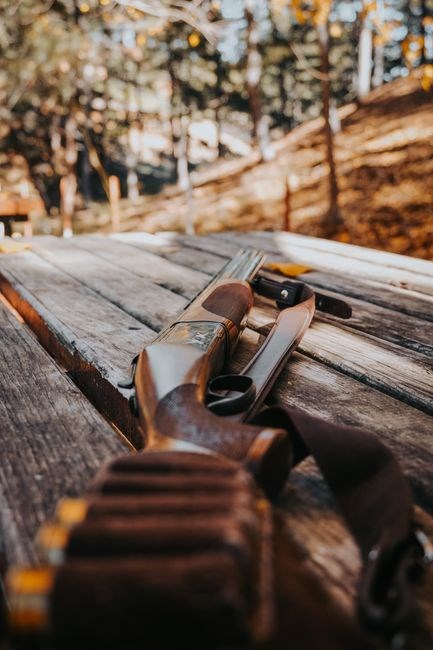
When the 760 Pumpmaster fails to fire, check the safety lever first; it must be in the “fire” position. If the lever is correct, remove the bolt and inspect the trigger assembly for debris or a sear. Clean the trigger with isopropyl alcohol and re‑assemble. A persistent “puff” sound often indicates a leaking air chamber; replace the chamber reseal the o‑rings. Low pressure after pumping can result from a clogged pump seal; disassemble the pump, clean the rubber gasket, and replace if cracked. If the rifle does not cycle after pumping, the bolt may be stuck; lubricate the bolt pin with a light oil and gently tap the bolt handle. A misaligned barrel can cause misfires; ensure the barrel is seated correctly in the receiver. For inconsistent velocity, verify that the BBs are the correct .177 caliber and are not damaged. A dirty barrel will also reduce velocity; clean with a brass brush and solvent. If the rifle continues to malfunction, consult the factory service manual for detailed diagnostic steps or contact Crosman support. Regular maintenance and proper storage will prevent most issues, ensuring reliable performance for training and target shooting.
Also, keep the rifle in a dry place and lubricate the moving parts to ensure operation.
Additionally, if the rifle continues to exhibit issues and inspecting the air chamber for damage. Regularly verifying the BB feed path and cleaning the barrel will maintain accuracy and prolong the life of the firearm. Use a calibrated gauge!

Legal and Regulatory Information
The 760 Pumpmaster is a .177 caliber air rifle. It is regulated as a non‑firearm under U.S. law, but local ordinances may restrict possession. Always check state and municipal rules before purchase or use. Keep it out of reach of minors and store securely. Keep it unloaded when not in use. and store .
Caliber and Power Restrictions
The Crosman 760 Pumpmaster is chambered in .177 caliber (4.5 mm) and operates on compressed air, delivering muzzle energies typically around 1.5 ft‑lb (2.0 J). In the United States, air rifles with muzzle energy below 10 ft‑lb are generally exempt from the National Firearms Act, but state and local regulations may impose stricter limits. For example, some states restrict .177 air rifles to a maximum of 1.5 ft‑lb for safety and noise reasons, while others allow up to 10 ft‑lb if the rifle is used only for target shooting or hunting small game. The 760’s standard pump‑action design limits the energy to well below 10 ft‑lb, making it compliant with federal law. However, users should verify local statutes, especially in jurisdictions where “high‑power” air guns are defined by a threshold of 5 ft‑lb or higher. Additionally, many municipalities require that air rifles be stored unloaded and locked, and prohibit their use on public property. Always check recent local ordinances before transporting or using the 760 Pumpmaster!!

Verify age limits and transport permits before using 760 Pumpmaster!!
Compliance with Local Laws
Before operating the Crosman 760 Pumpmaster, users must consult state, county, and municipal statutes that govern air rifle possession, transport, and use. Many states classify .177‑caliber pneumatic rifles as “air guns” and impose age restrictions, requiring owners to be 18 or older, or 16 with parental consent. Some jurisdictions mandate that air rifles be stored unloaded, locked, and in a separate compartment from ammunition. Transport regulations often require the rifle to be placed in a hard‑shelled case, with the trigger disengaged, and the air chamber depressurized. Certain cities prohibit firing on public property or in parks, and may impose noise ordinances limiting the number of shots per hour. Additionally, local hunting regulations may restrict the use of .177 air rifles for small‑game hunting to specific seasons or require a special license. The 760’s 20‑shot capacity and low muzzle energy generally keep it within federal “non‑regulated” limits, but local ordinances can still impose stricter caps, such as a maximum of 1.5 ft‑lb energy or a prohibition on use in school zones. Because laws change frequently, owners should verify current regulations through state websites, local law‑enforcement agencies, or the American Association of Officers database before purchasing, transporting, or firing the 760 Pumpmaster. Failure to comply can result in fines, confiscation, or criminal charges. Always keep a copy of the user manual and local law summary for quick reference during use. Compliance ensures safety peace mind.